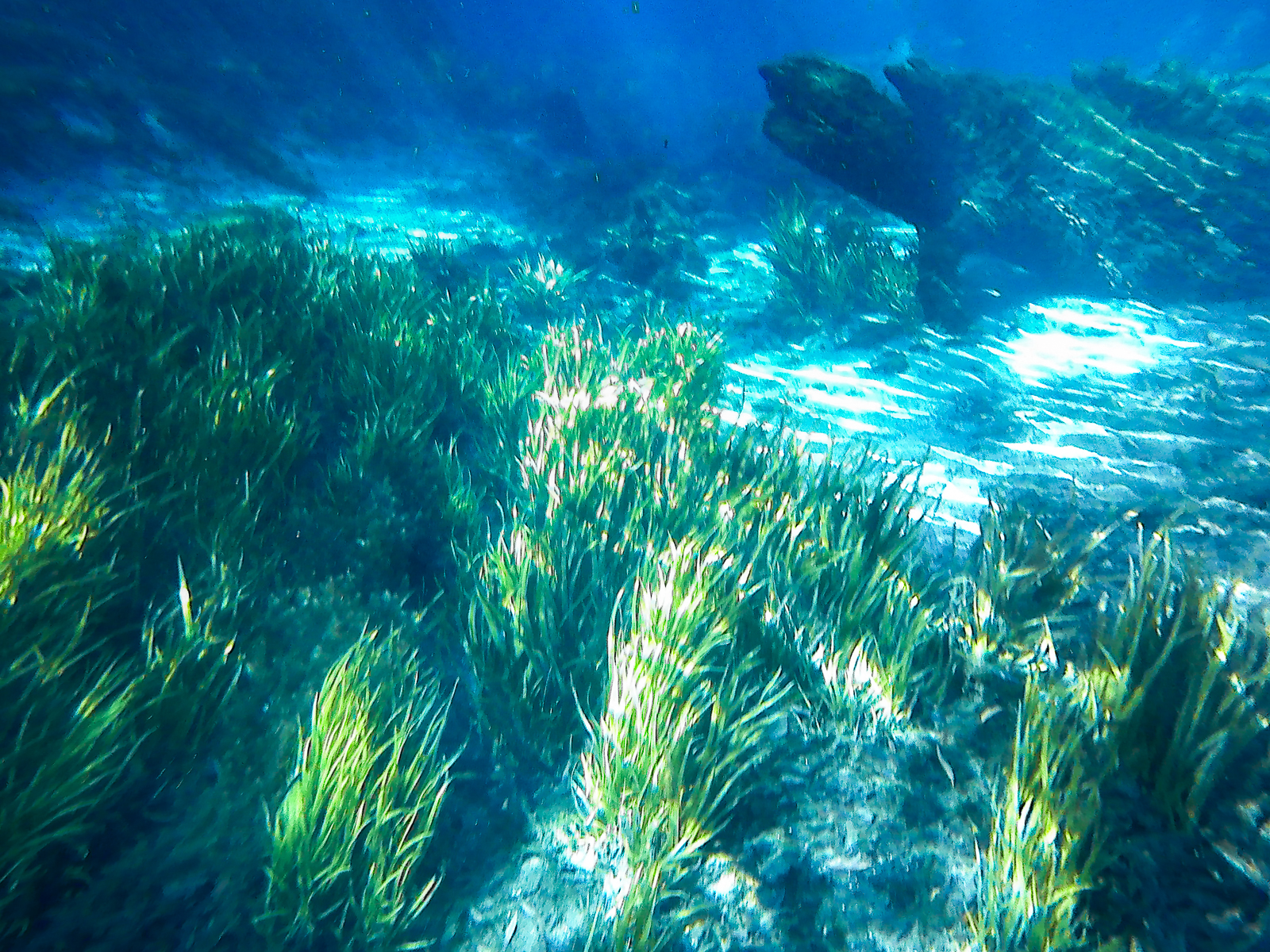
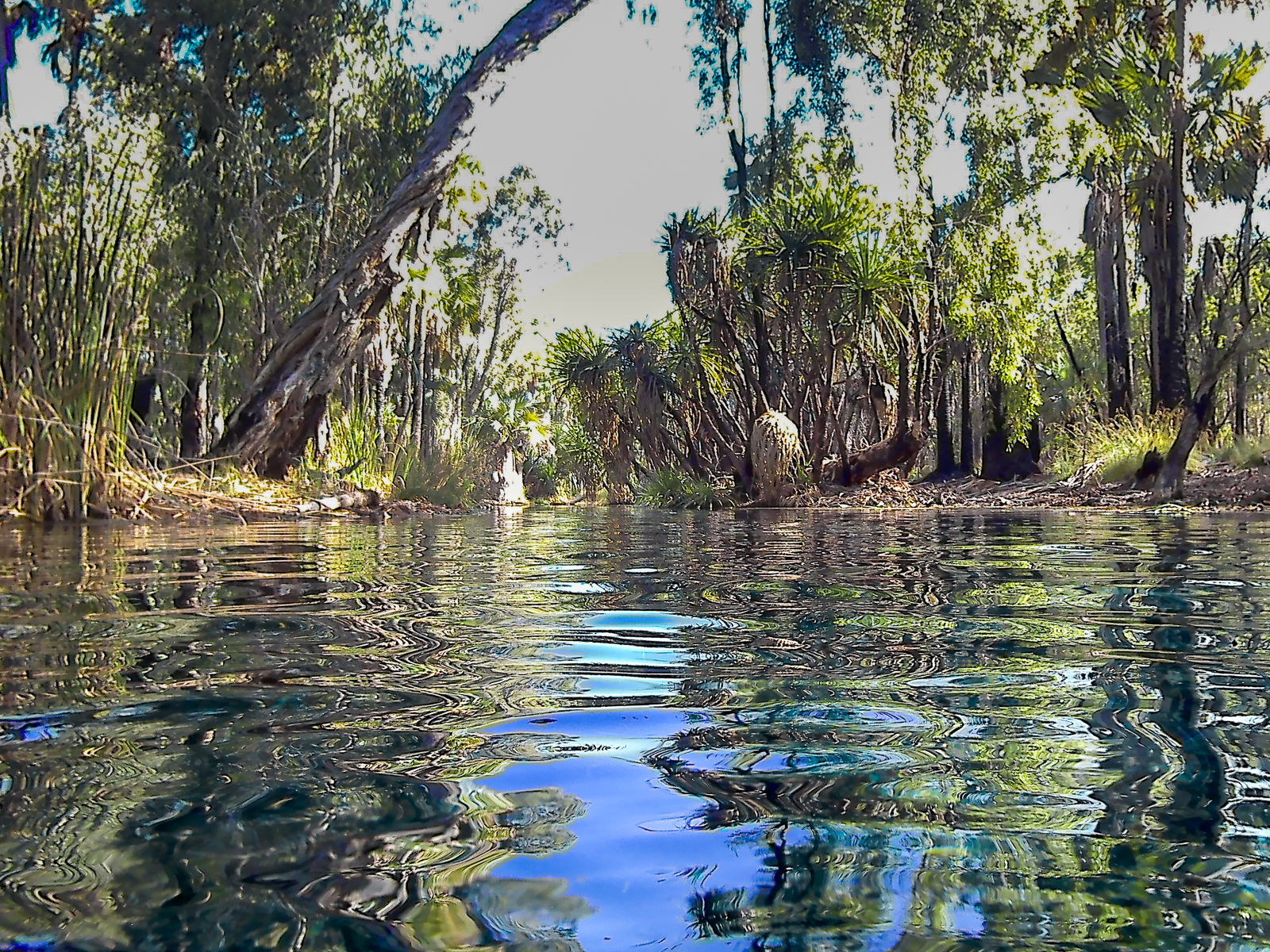
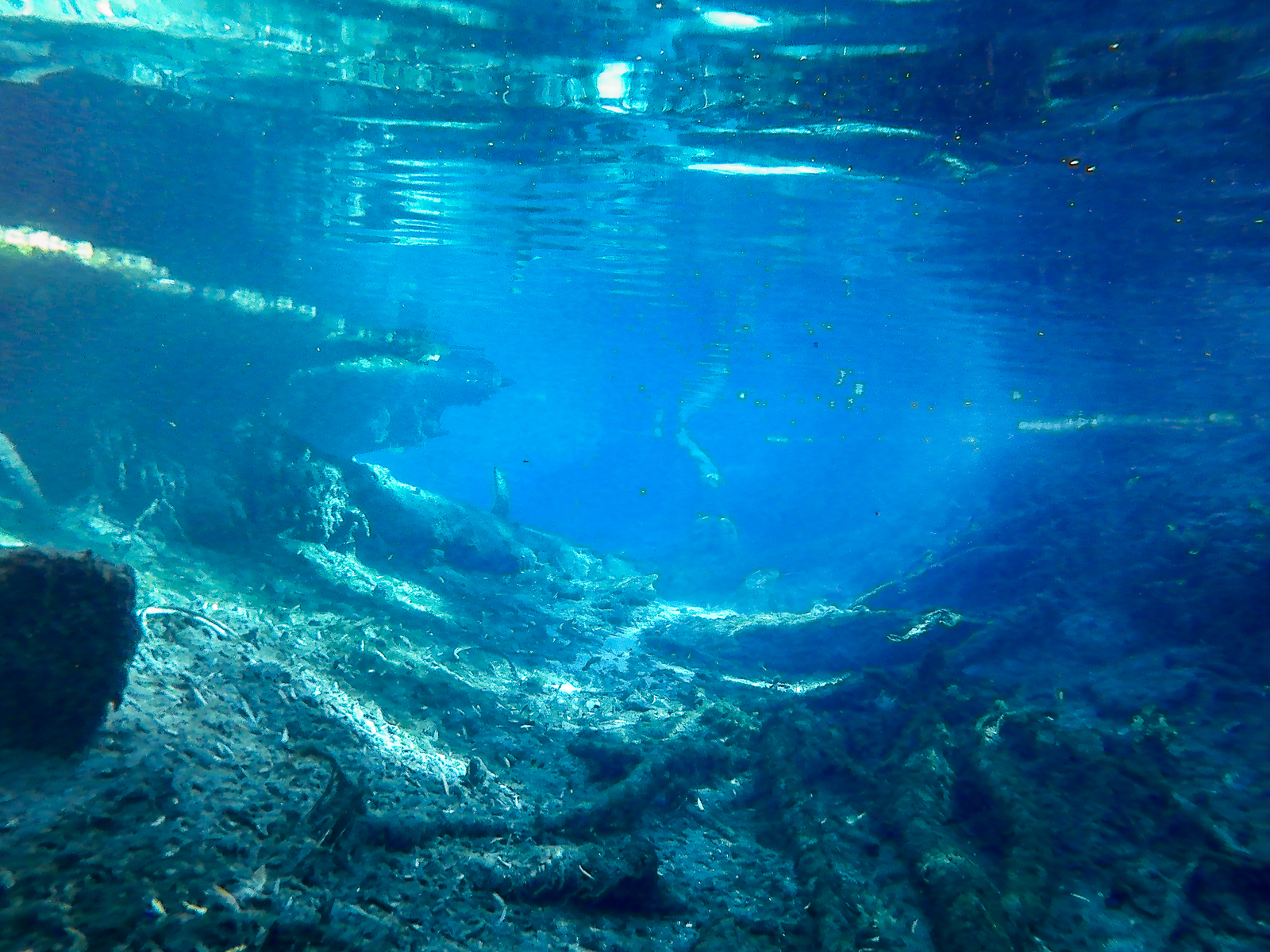
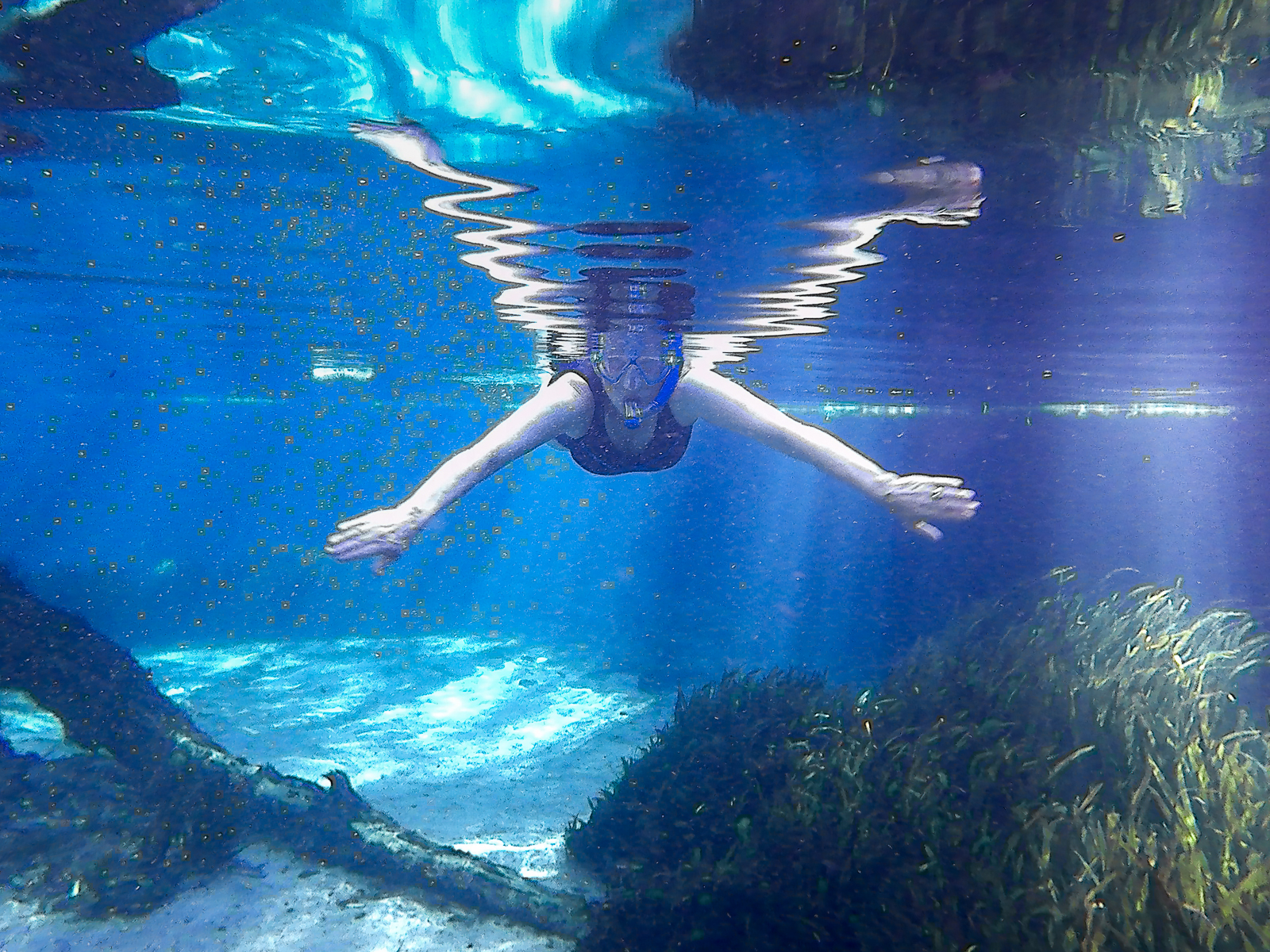
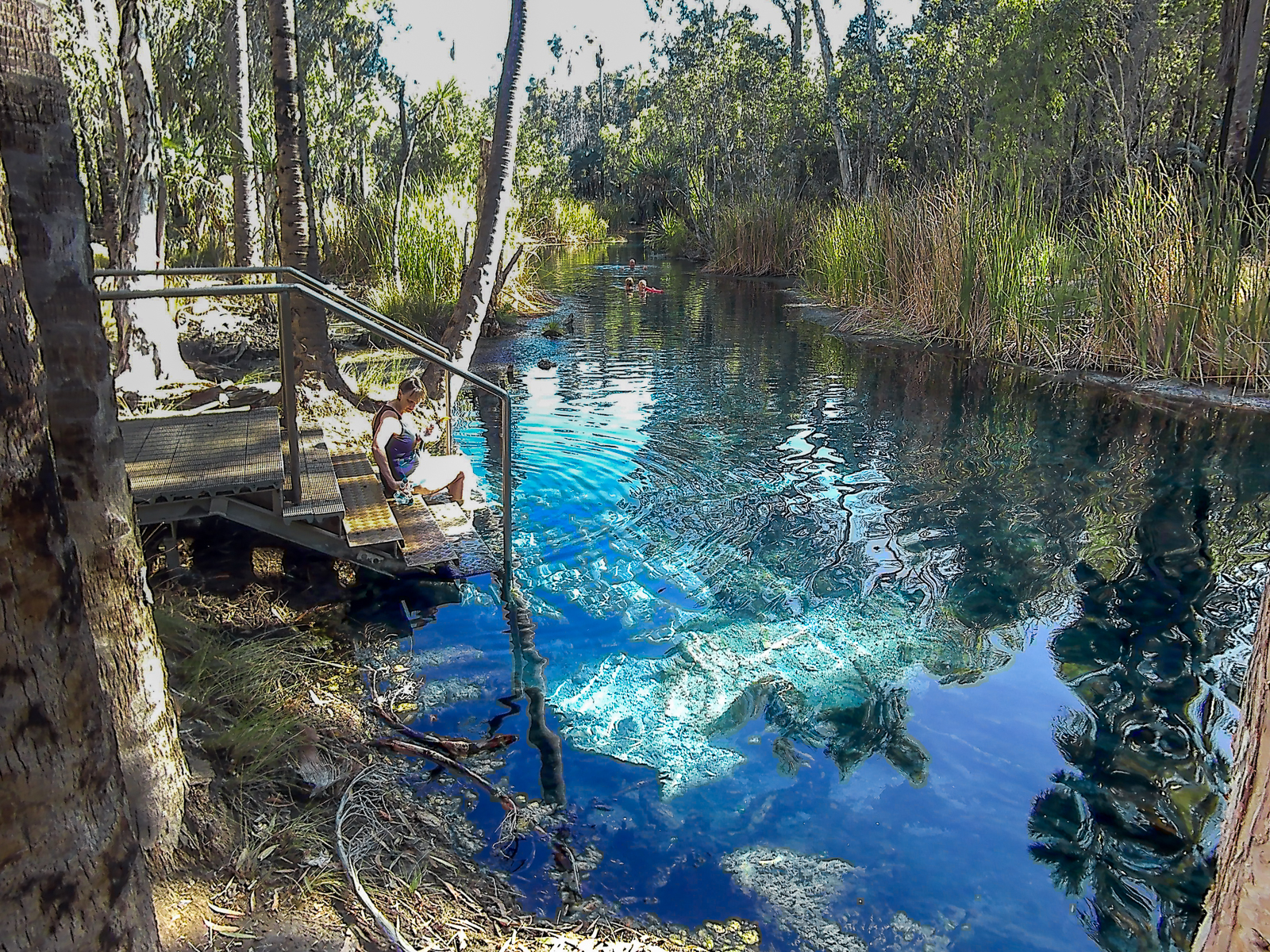
A 500m waterway is fed by an underground spring that gently flows down a watercourse lined with cabbage palms. Nearby, Mataranka Thermal Pool is also known for its warm springs, which are around 30°C and pump out 30.5 megalitres of water each day.
Caravan Park Creativity
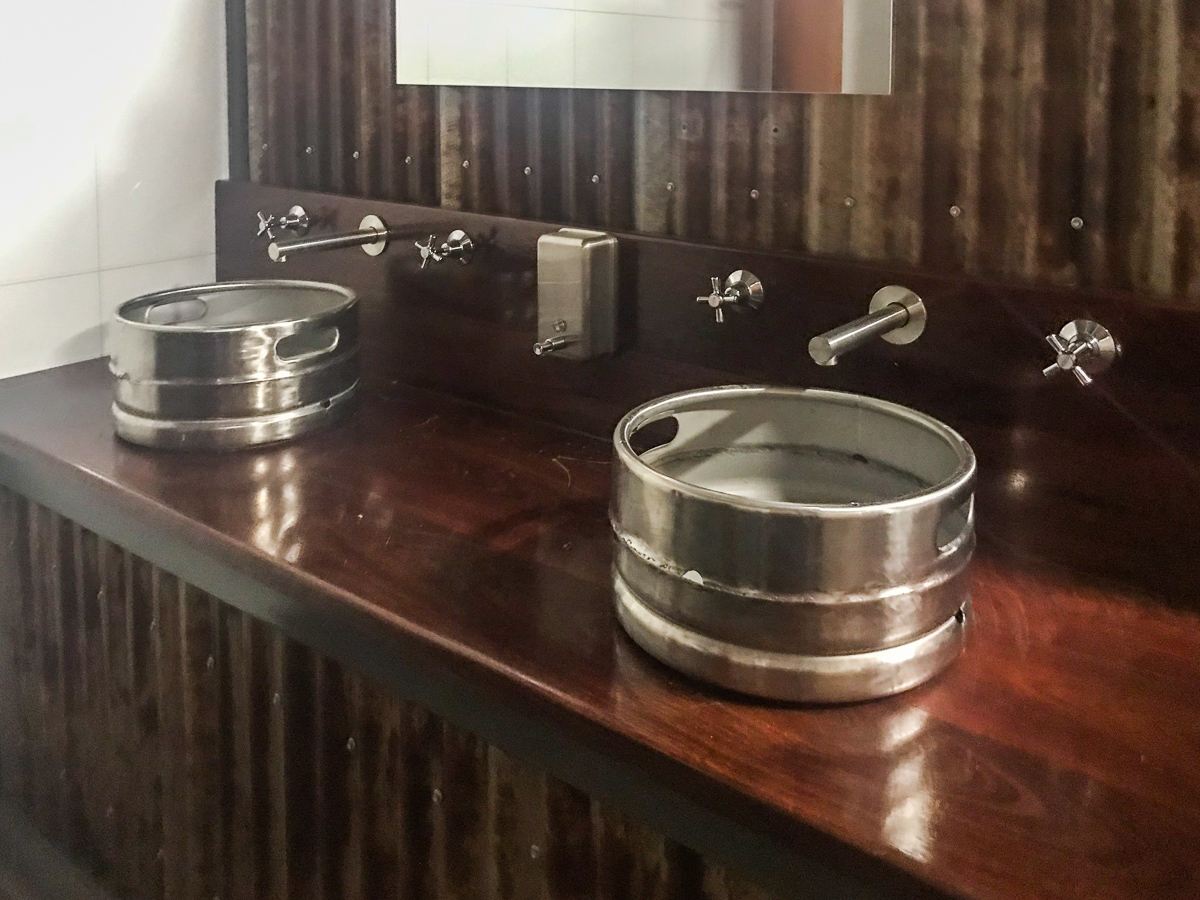
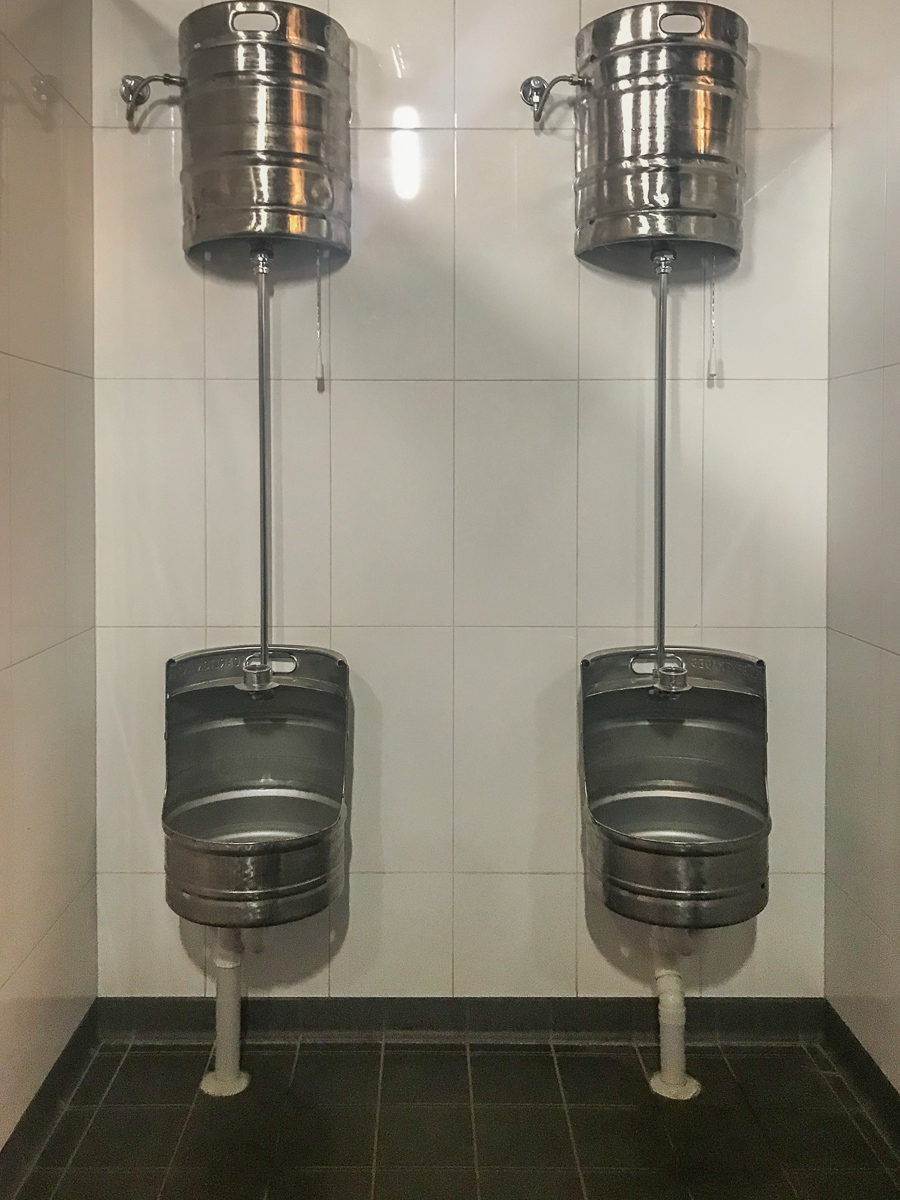
Unexpected creativity in Pine Creek caravan park… good use made of beer kegs.
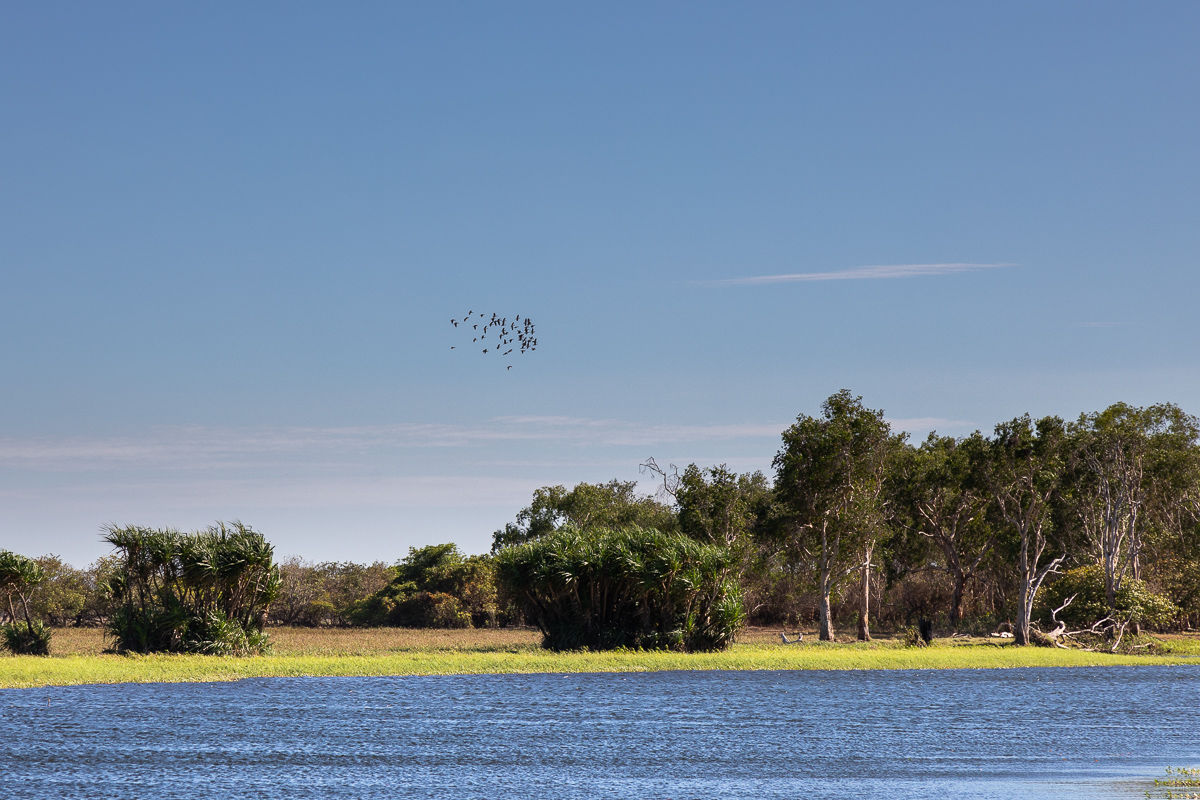
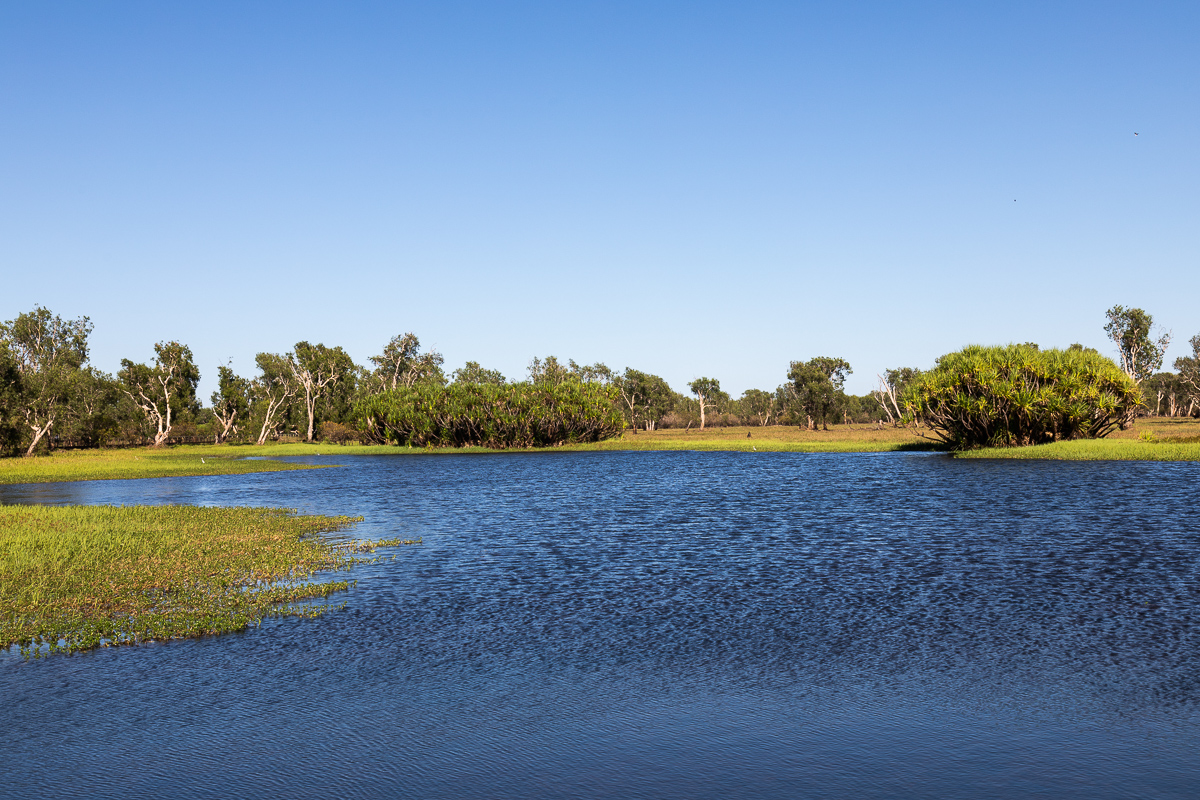
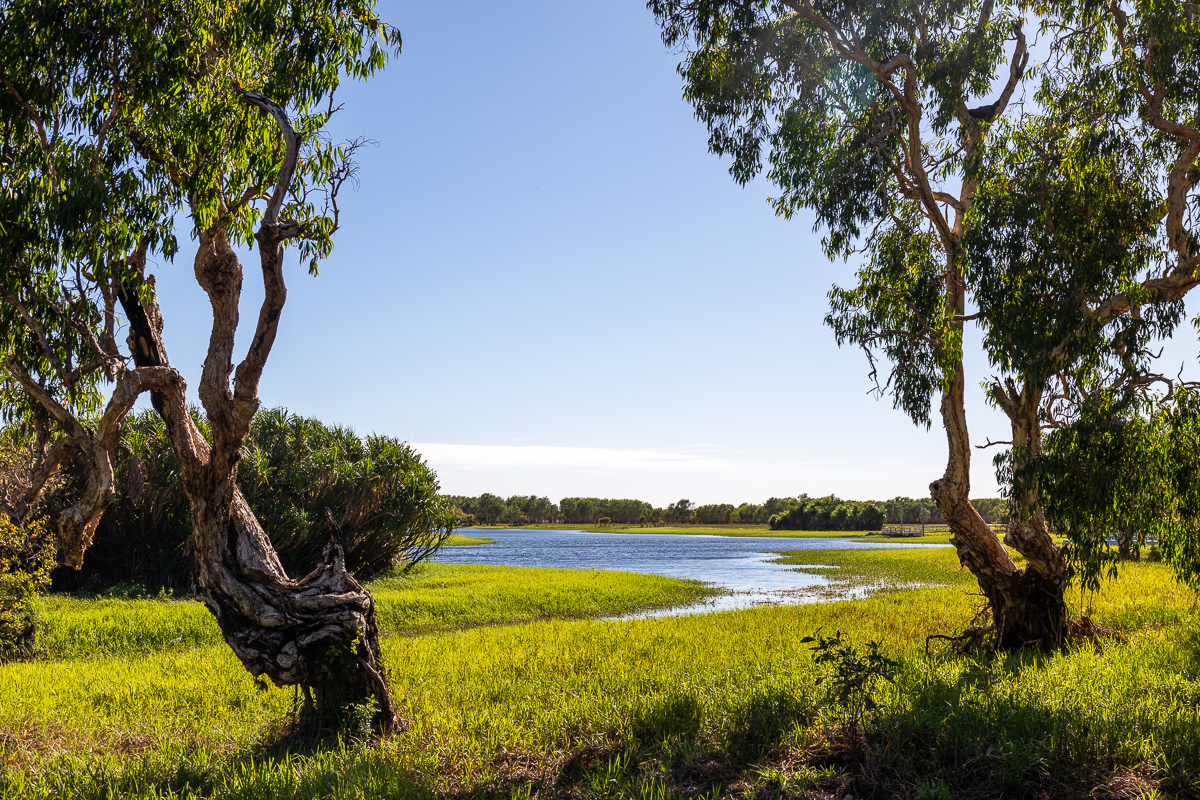
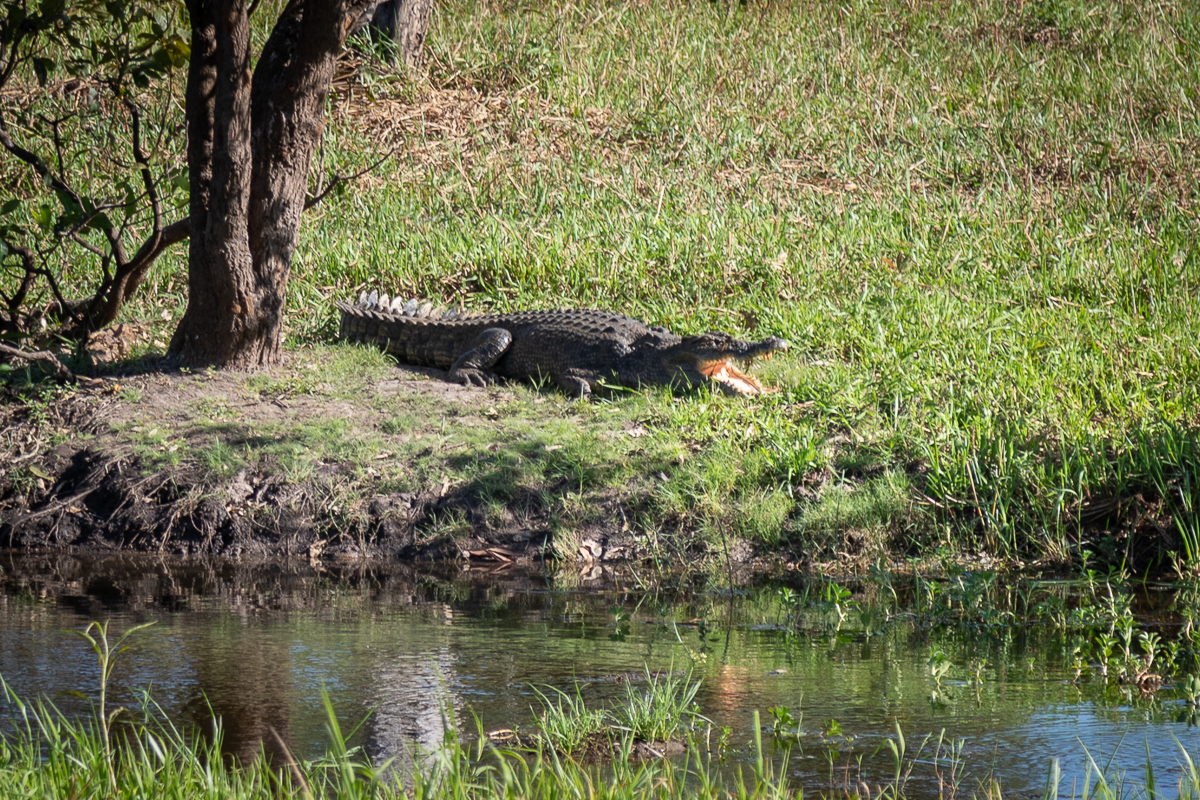
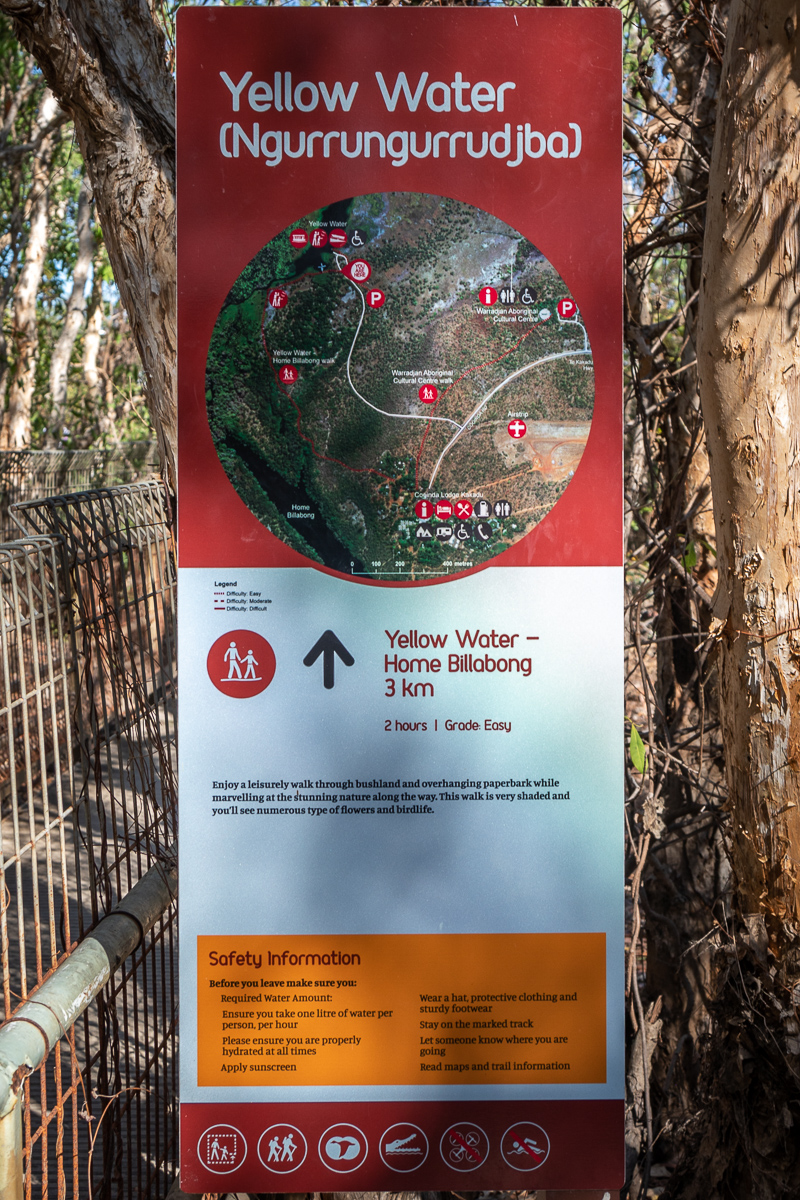
Yellow Water (Ngurrungurrudjba)
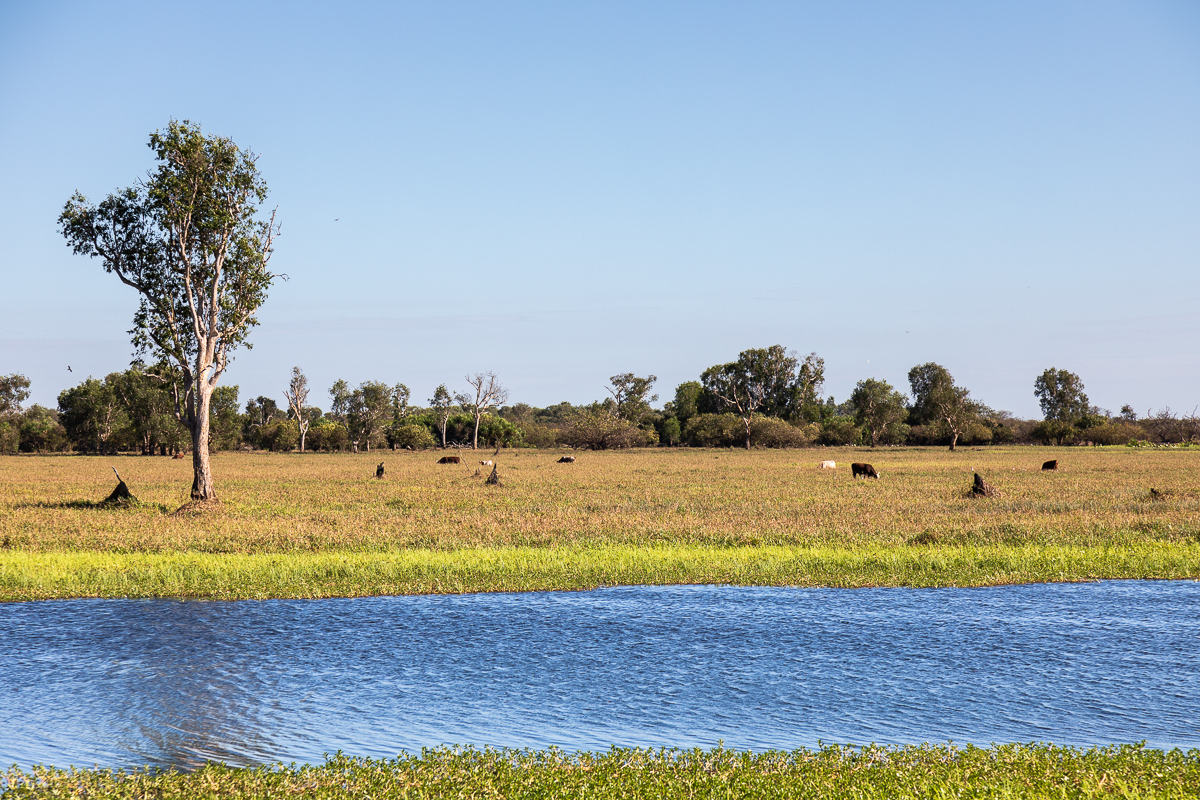
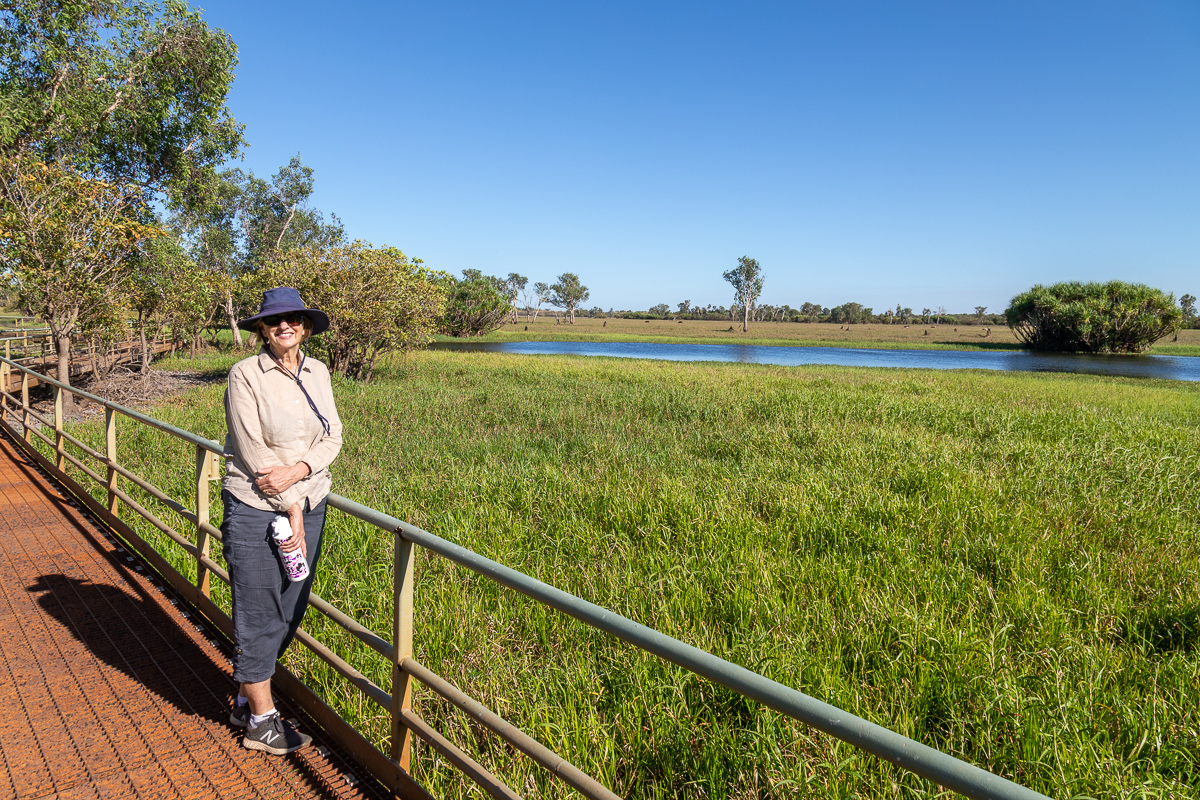
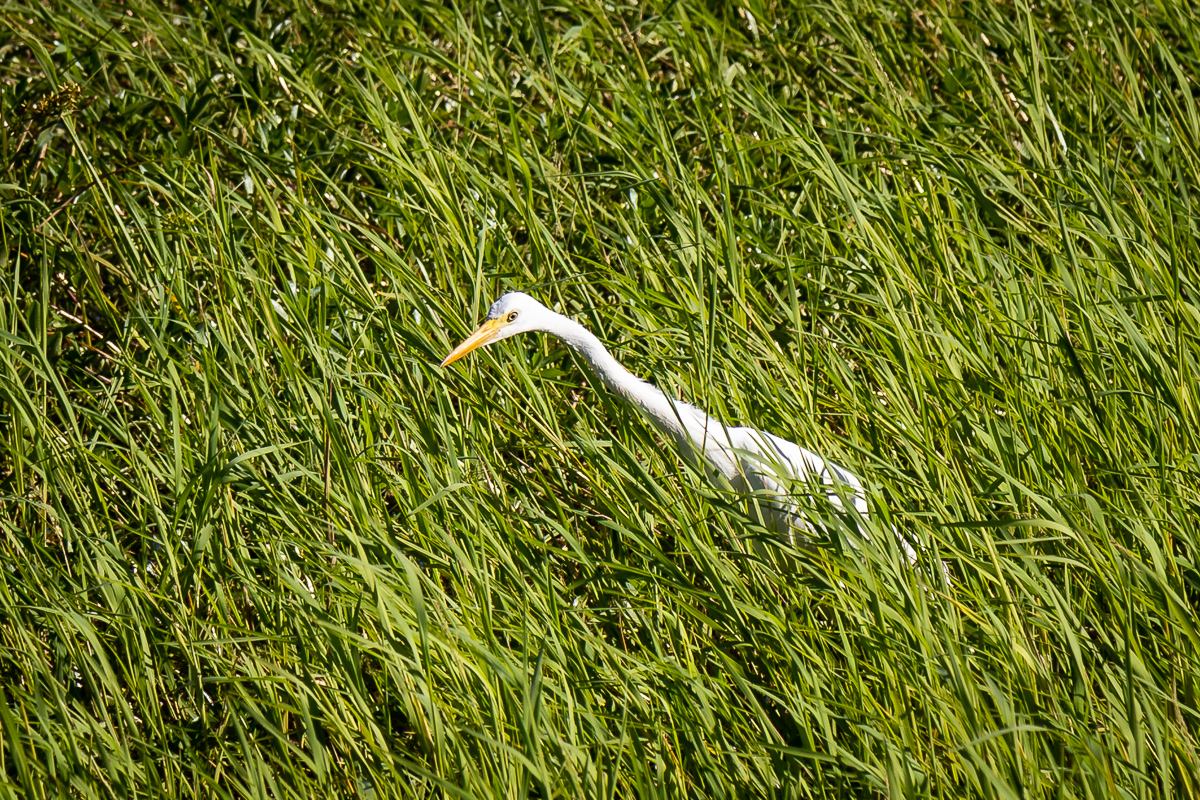
Yellow Water (Ngurrungurrudjba) is part of the South Alligator River floodplain. When the waters recede, you can follow a 2.6 km return walk across the floodplain (unfortunately closed for most of the walk… COVID?) to a viewing platform on Home Billabong. A boardwalk offers incredible views of Yellow Water’s wildlife including some impressive saltwater crocodiles.
Ubirr
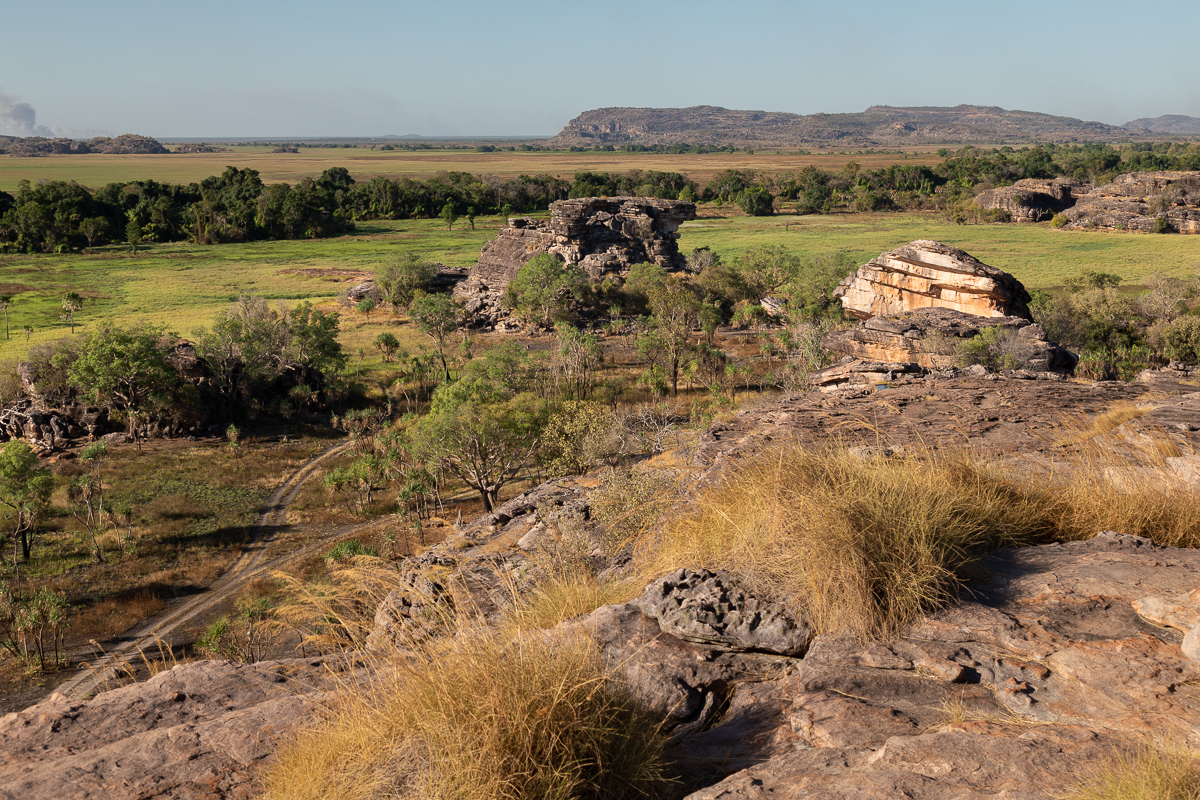
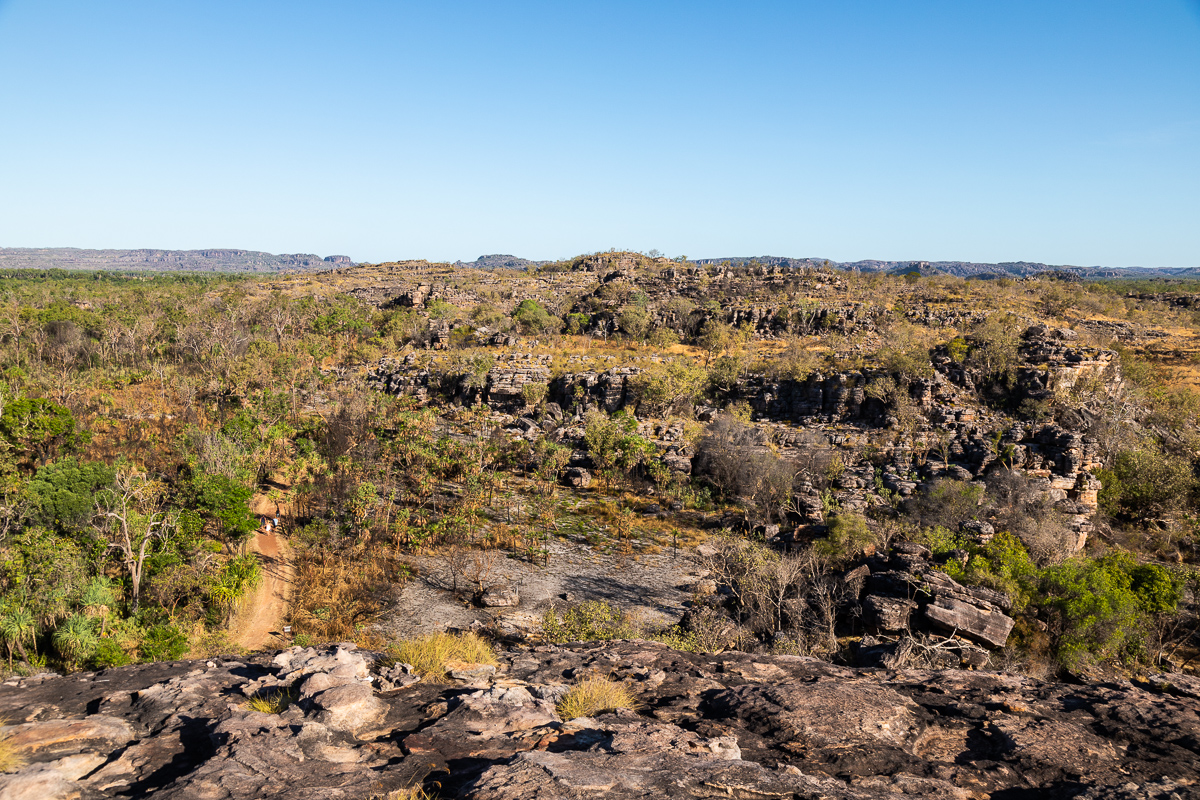
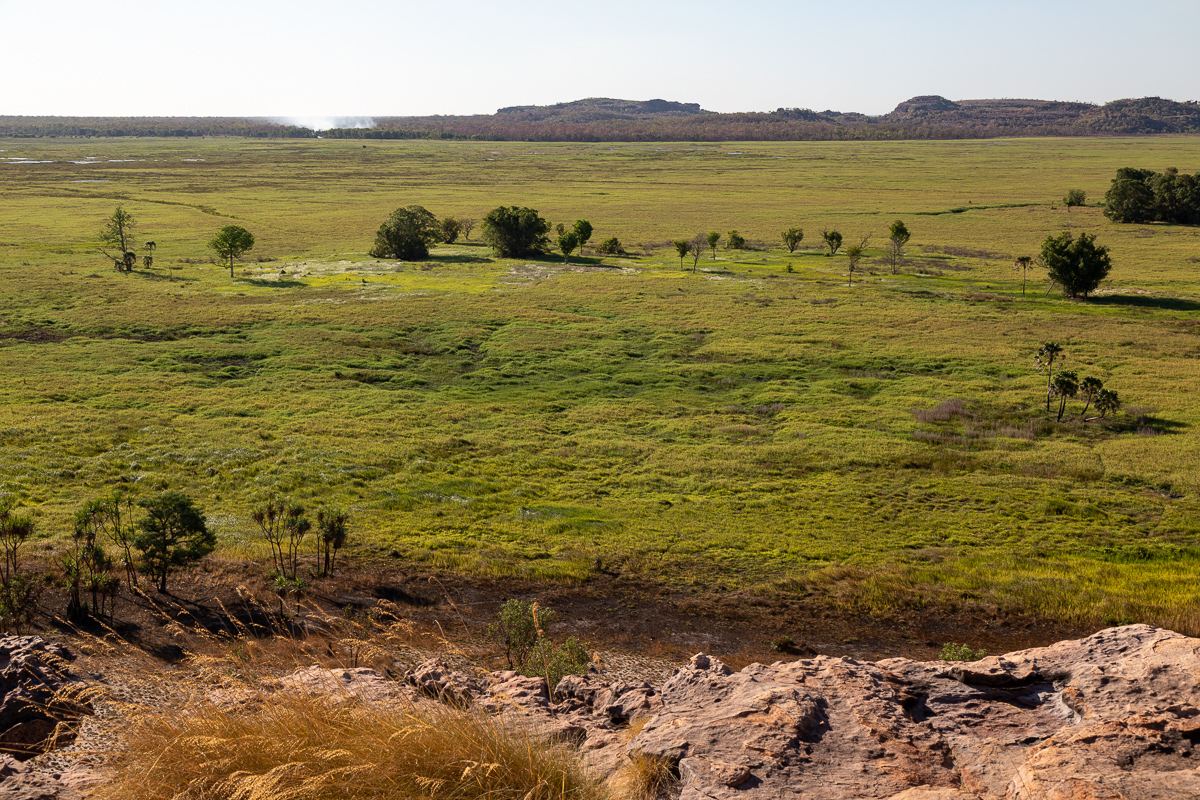
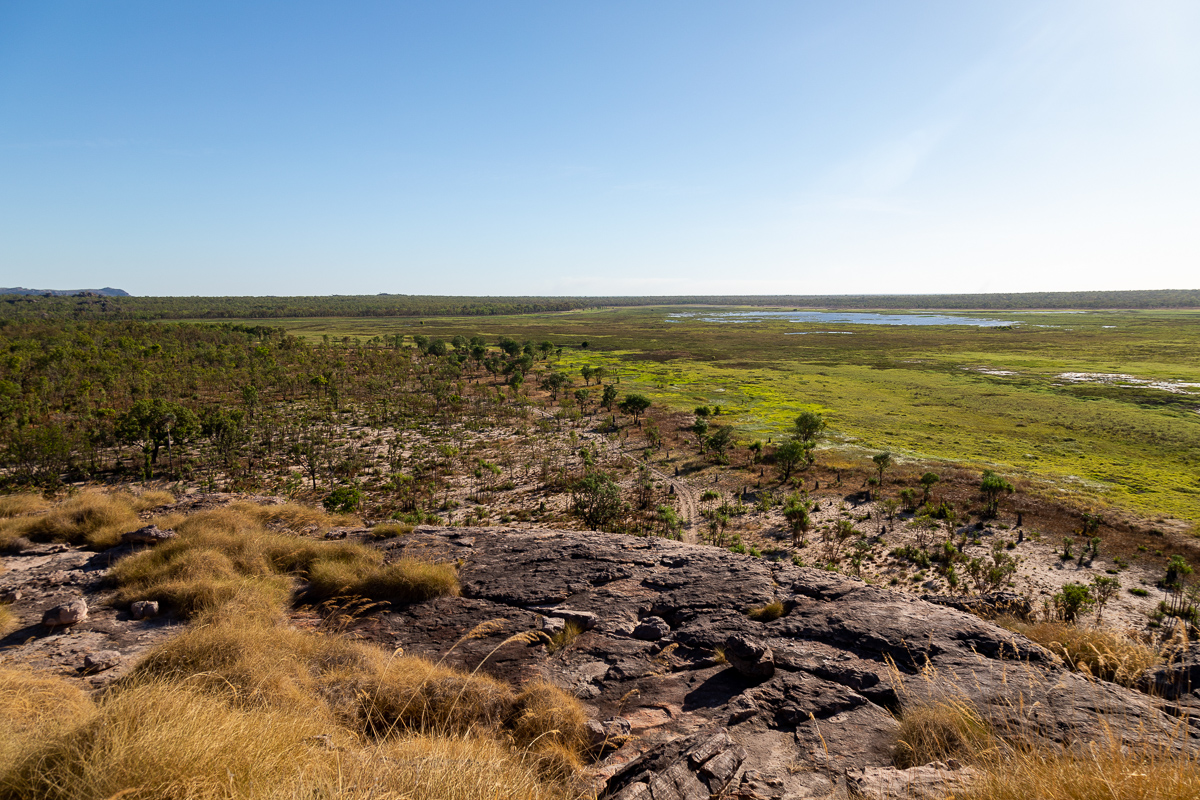
Ubirr is a rock formation within the East Alligator region of Kakadu National Park and is known for its rock art.
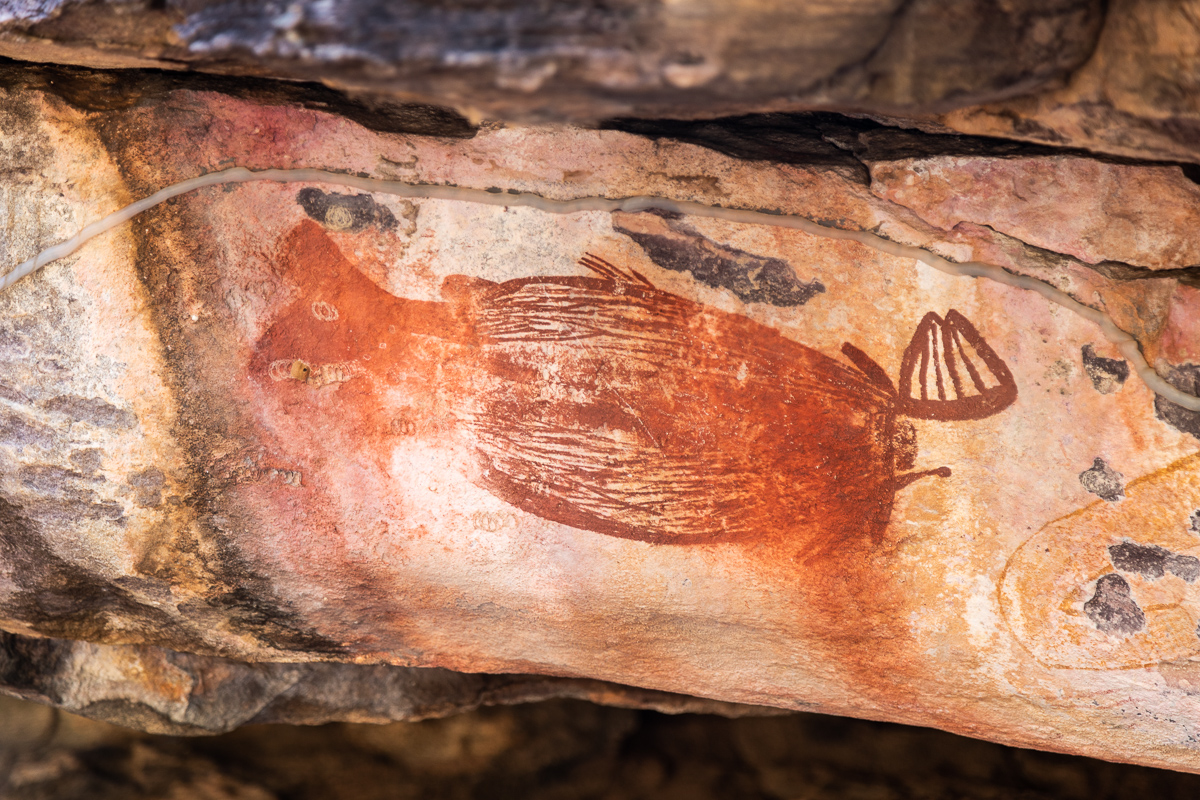
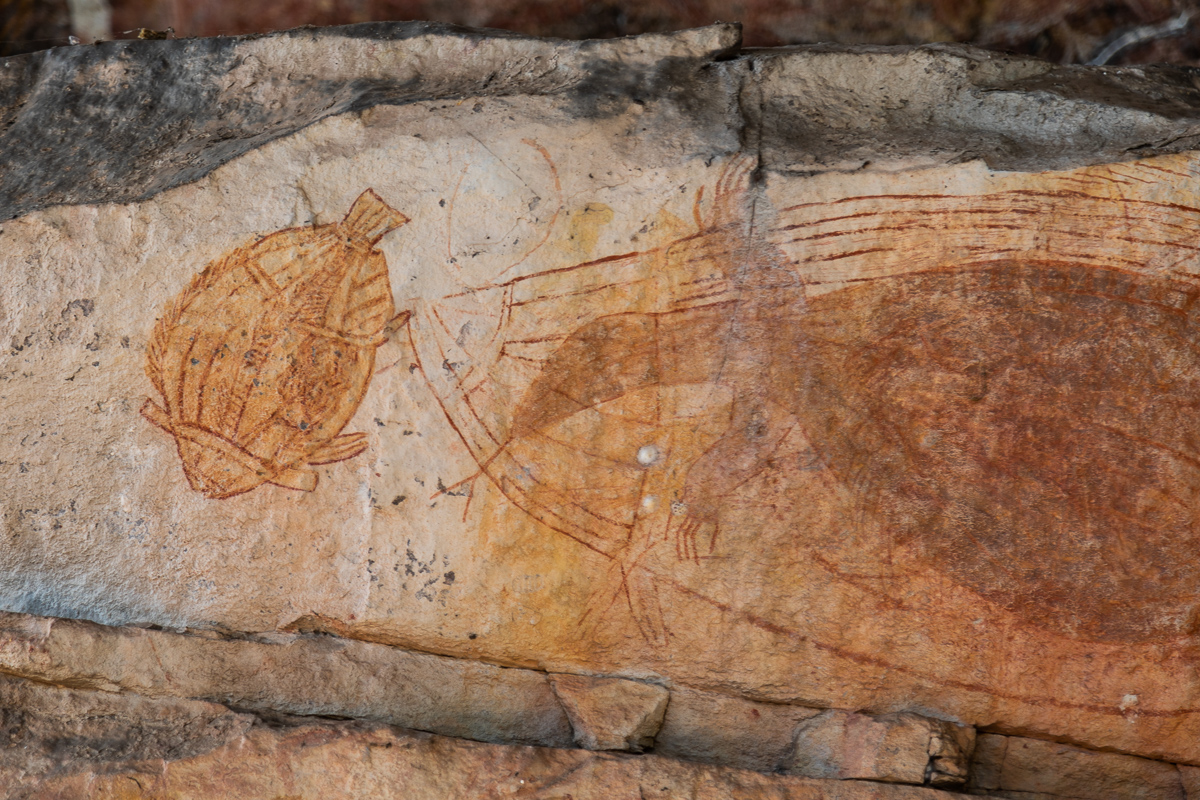
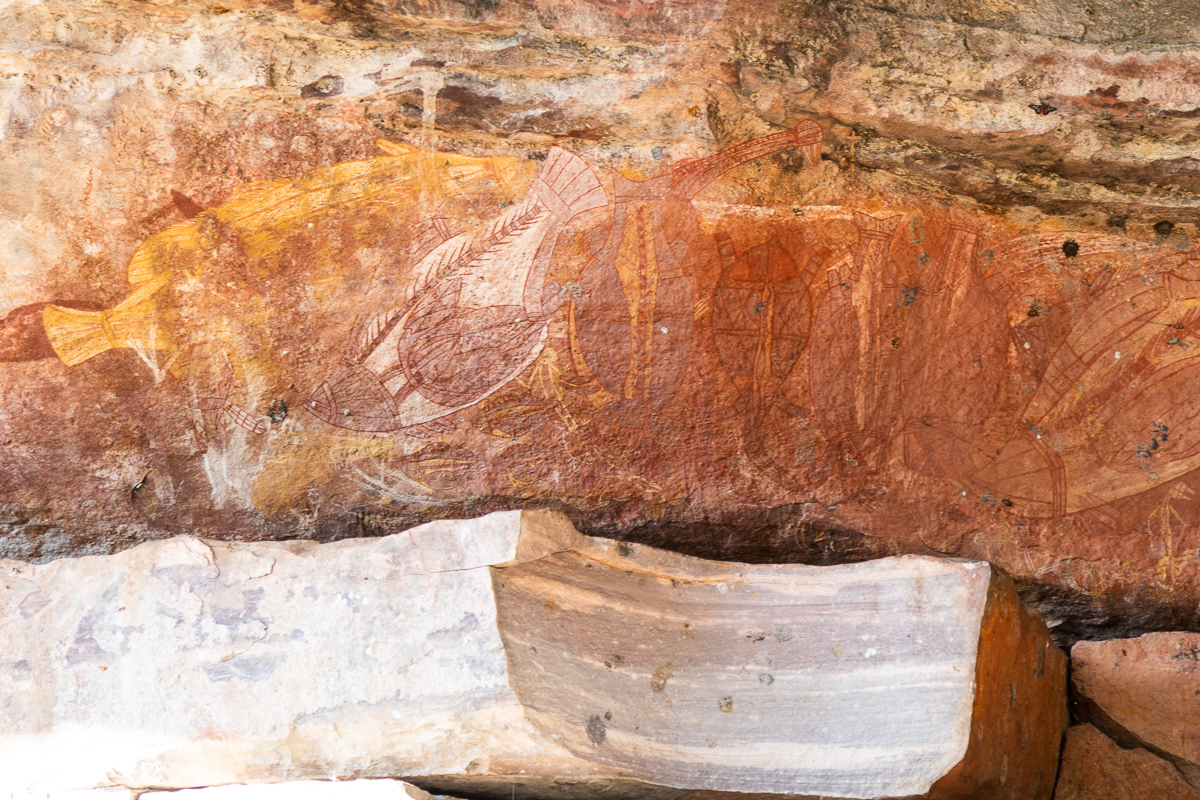
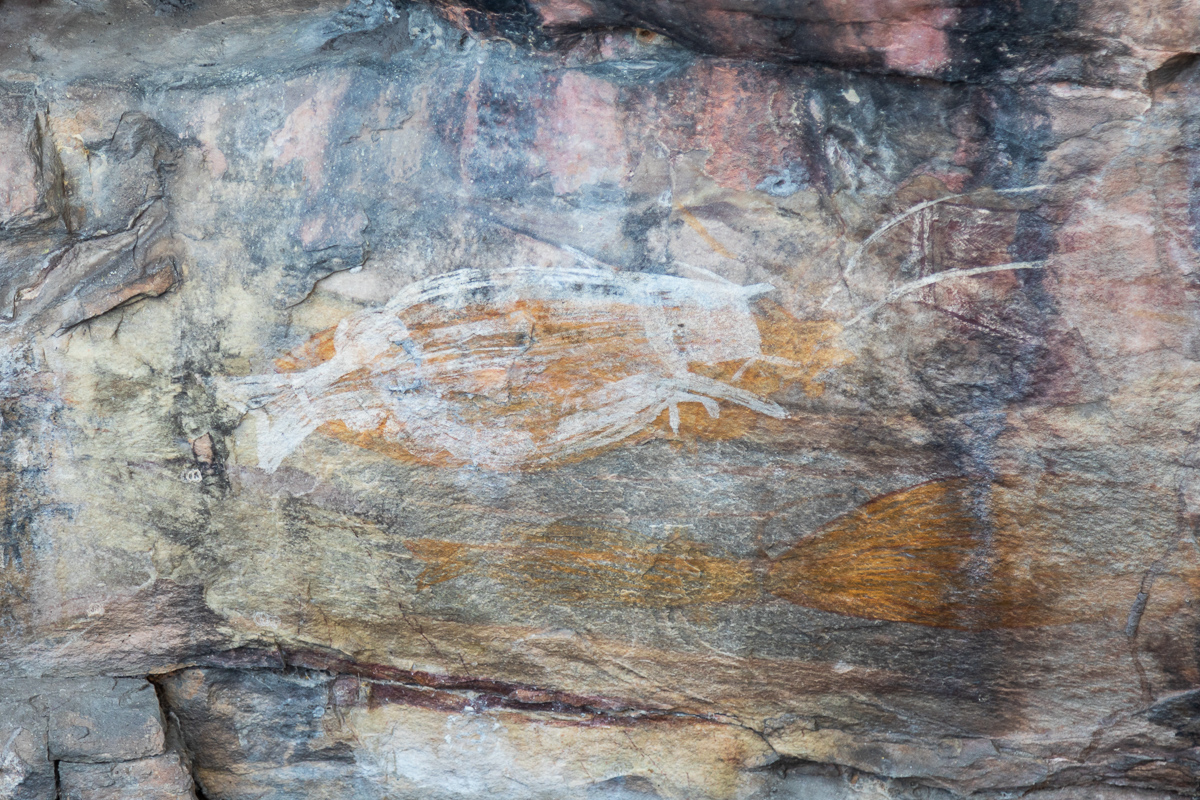
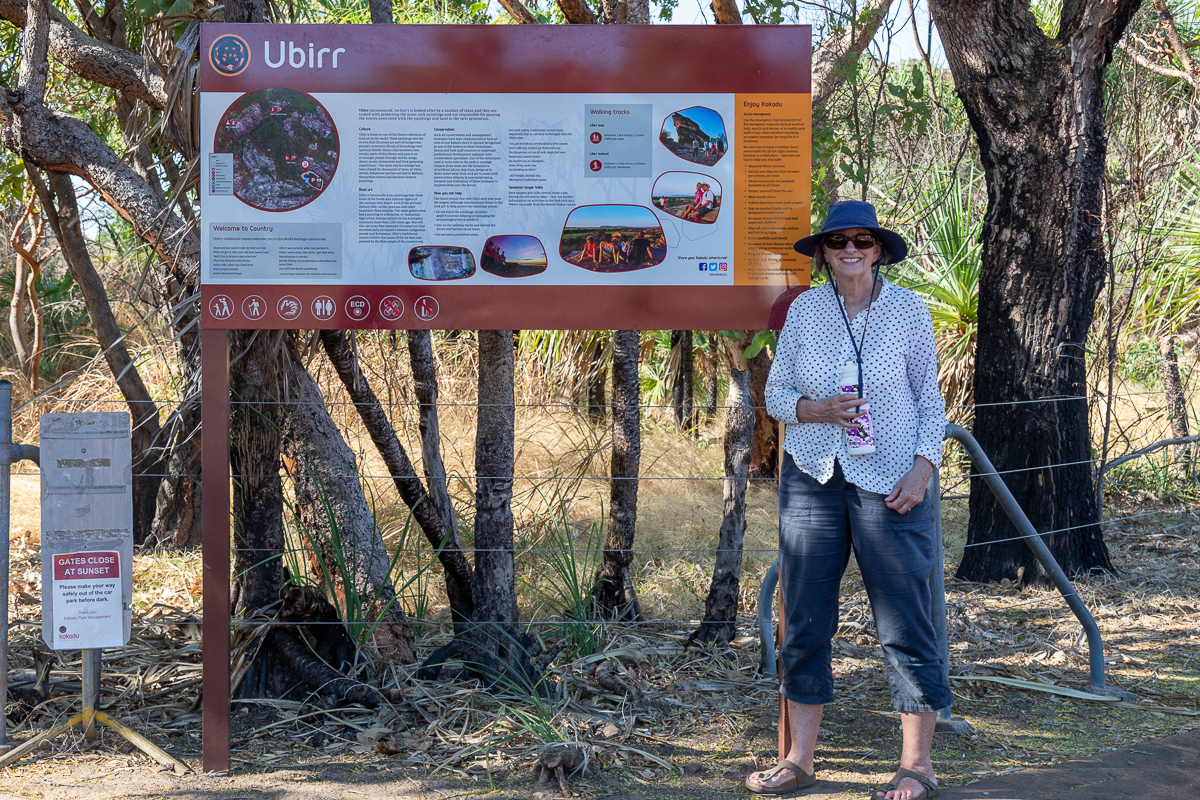
Ubirr Lookout
Cahills Crossing
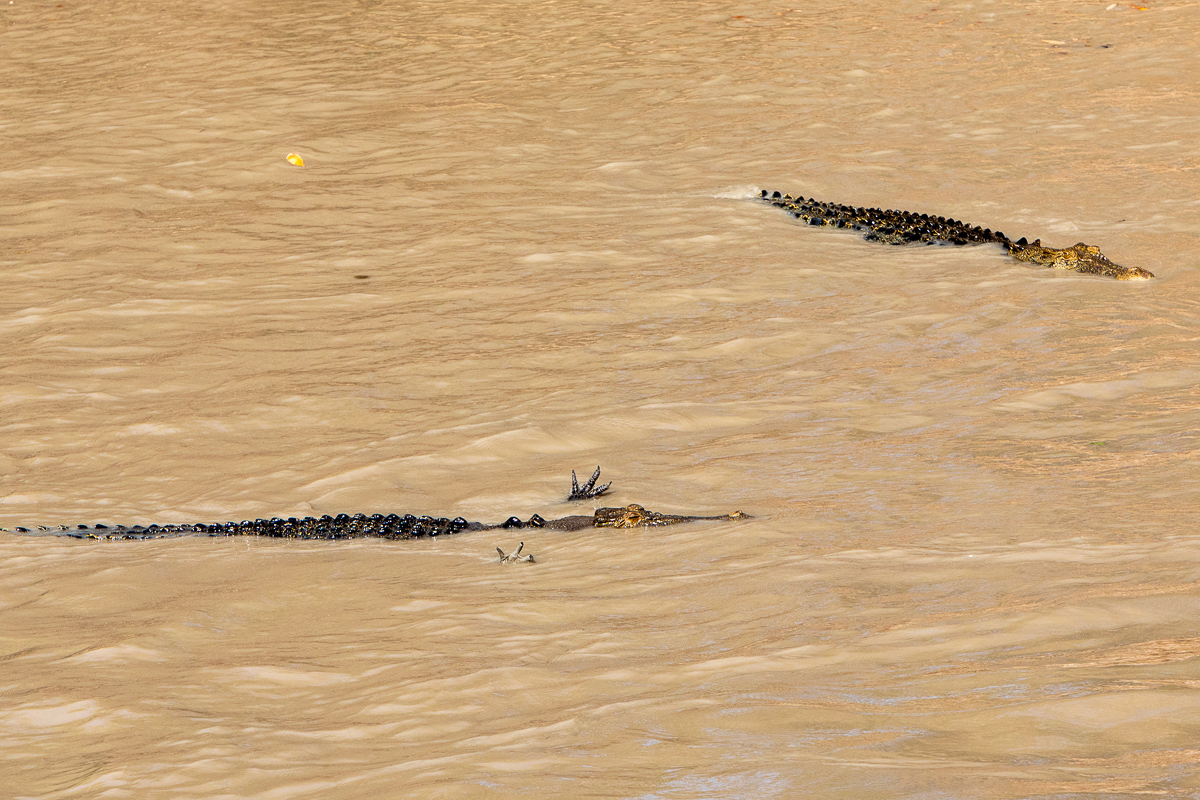
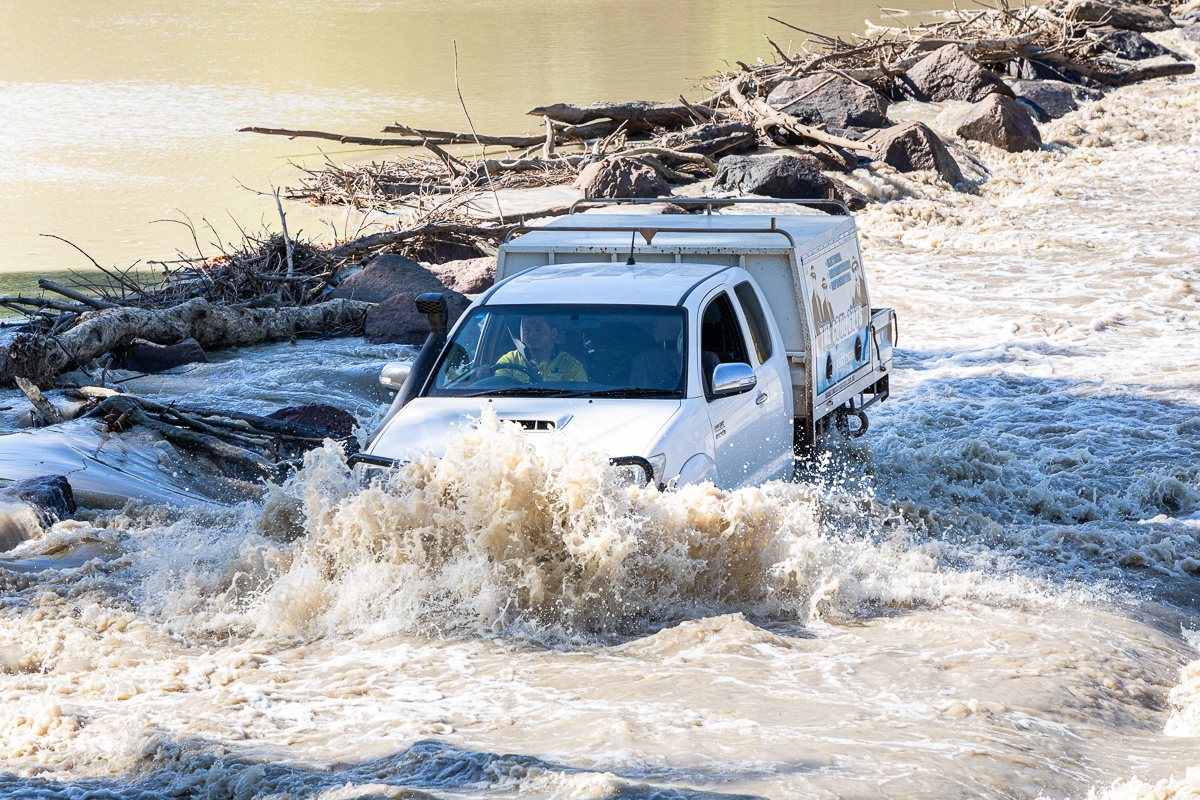
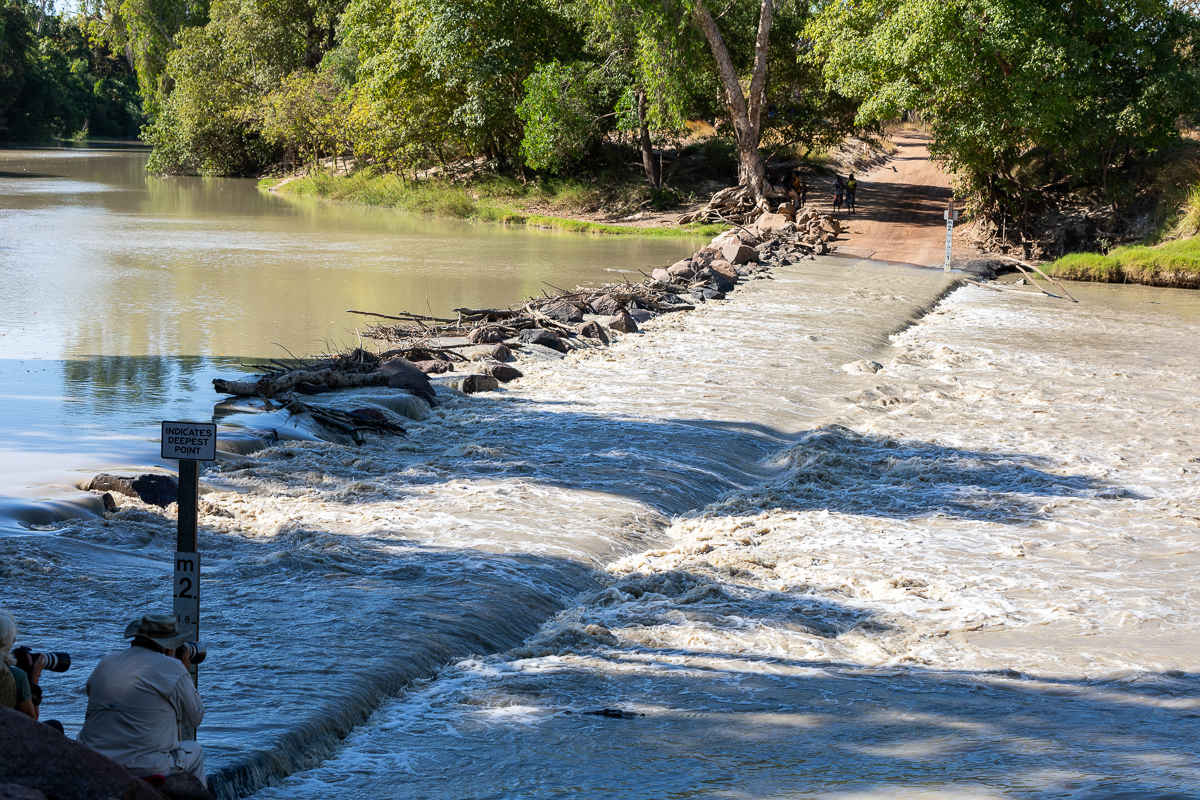
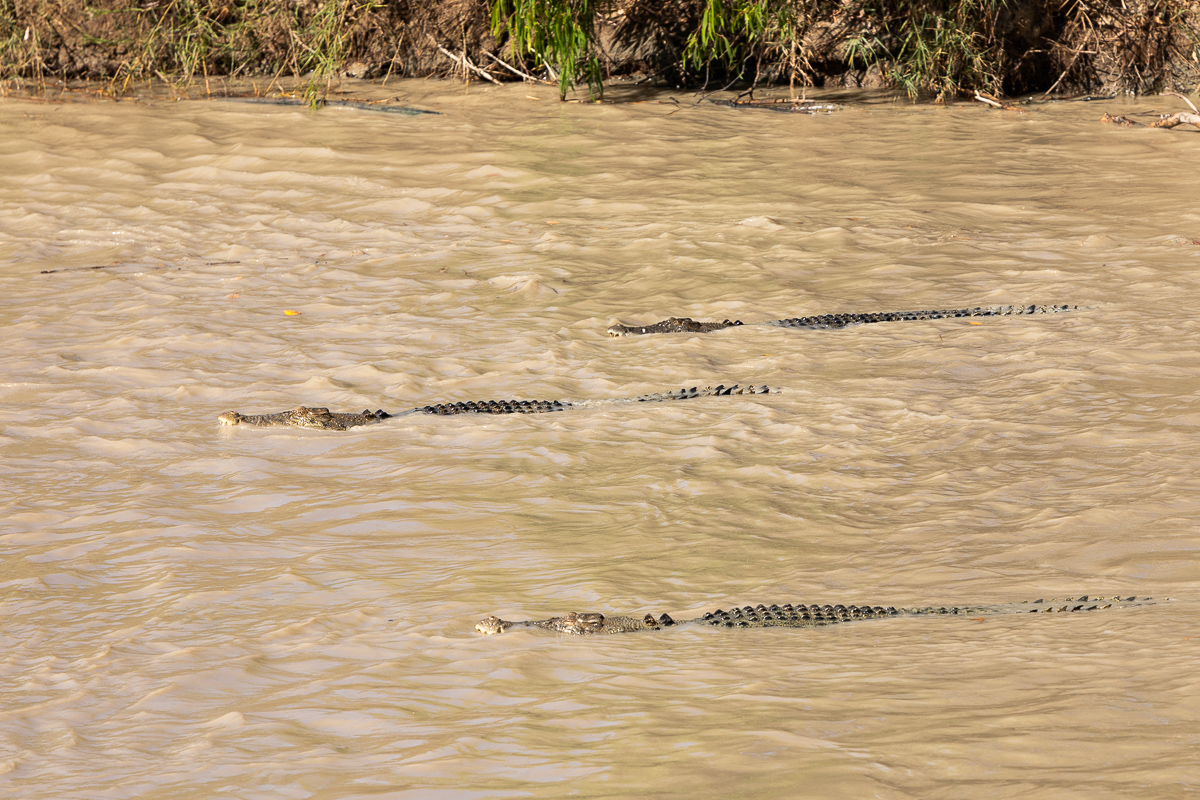
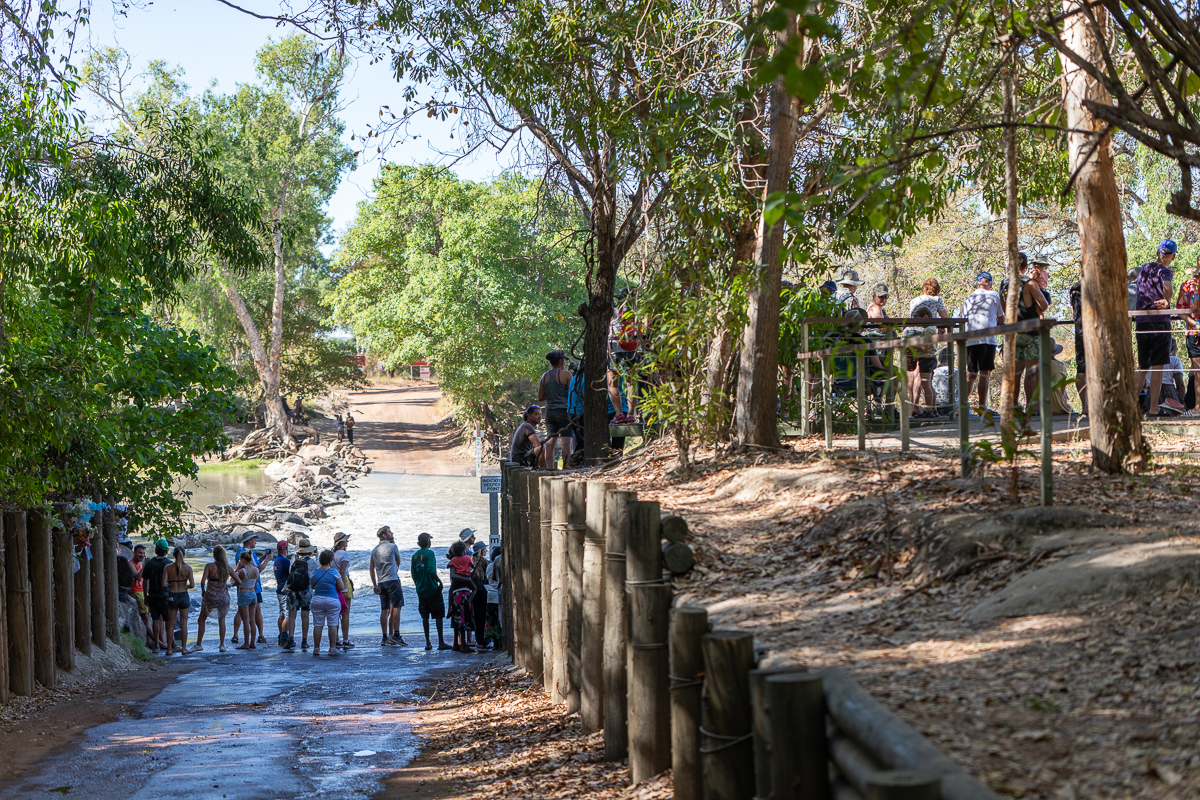
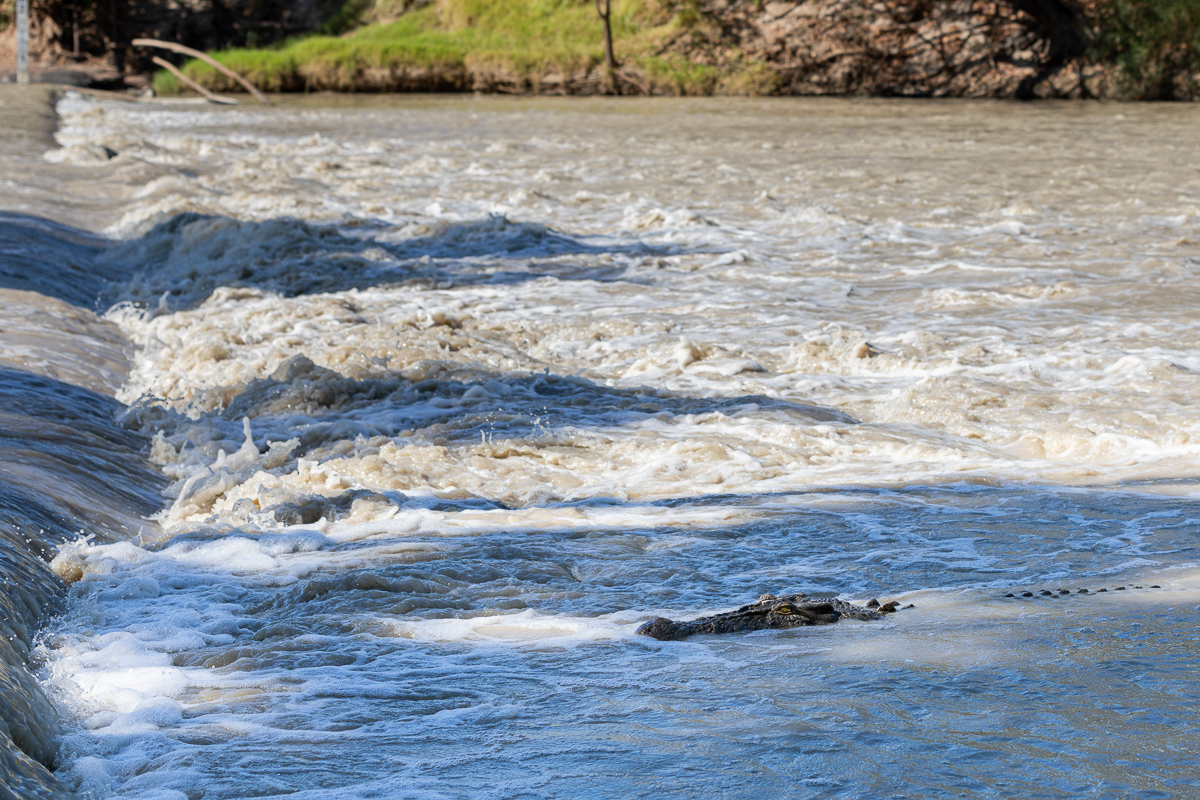
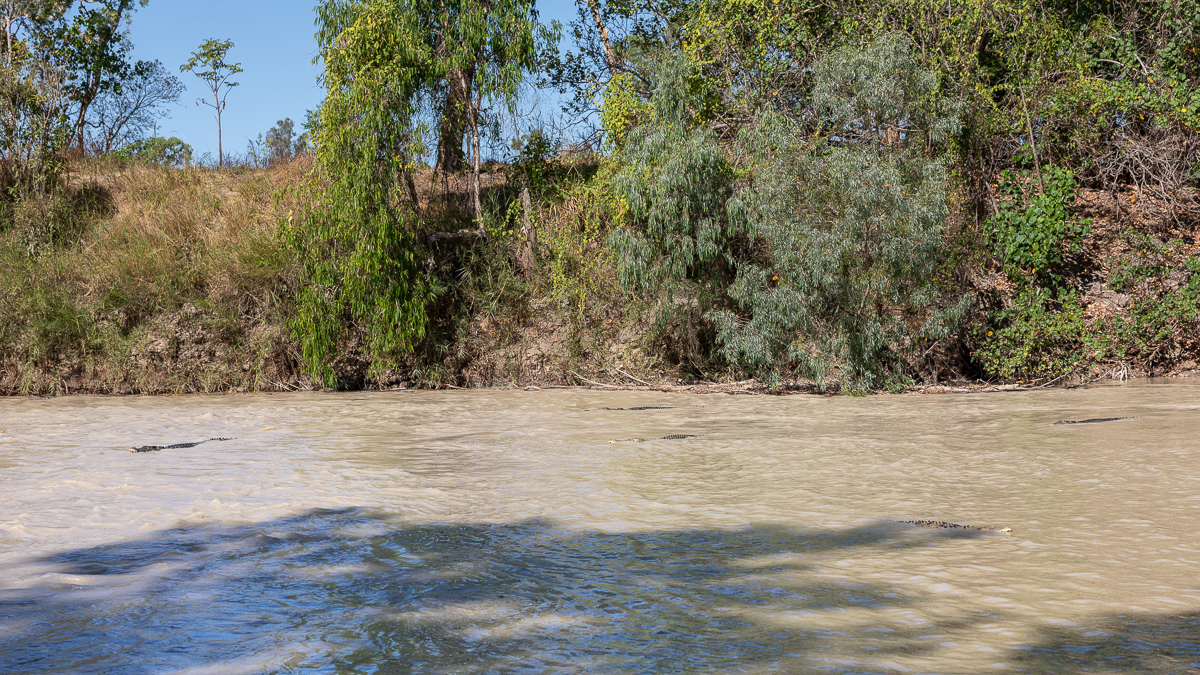
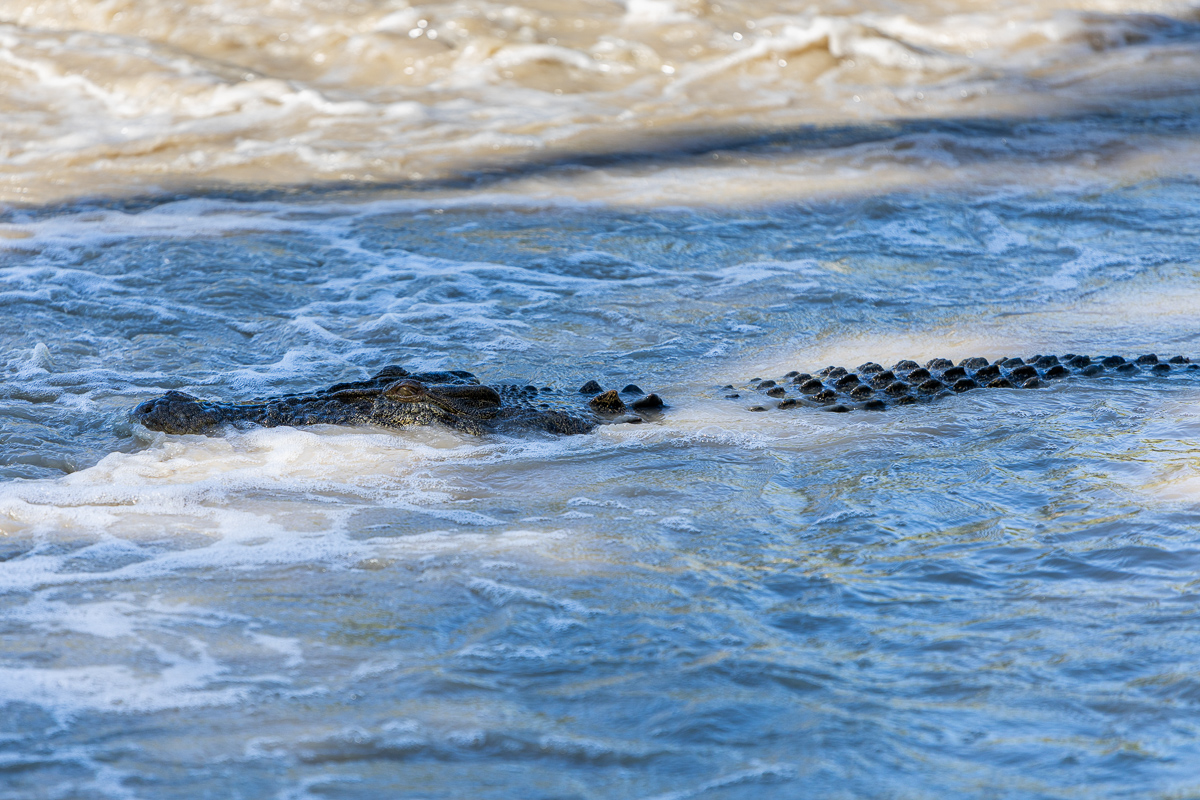
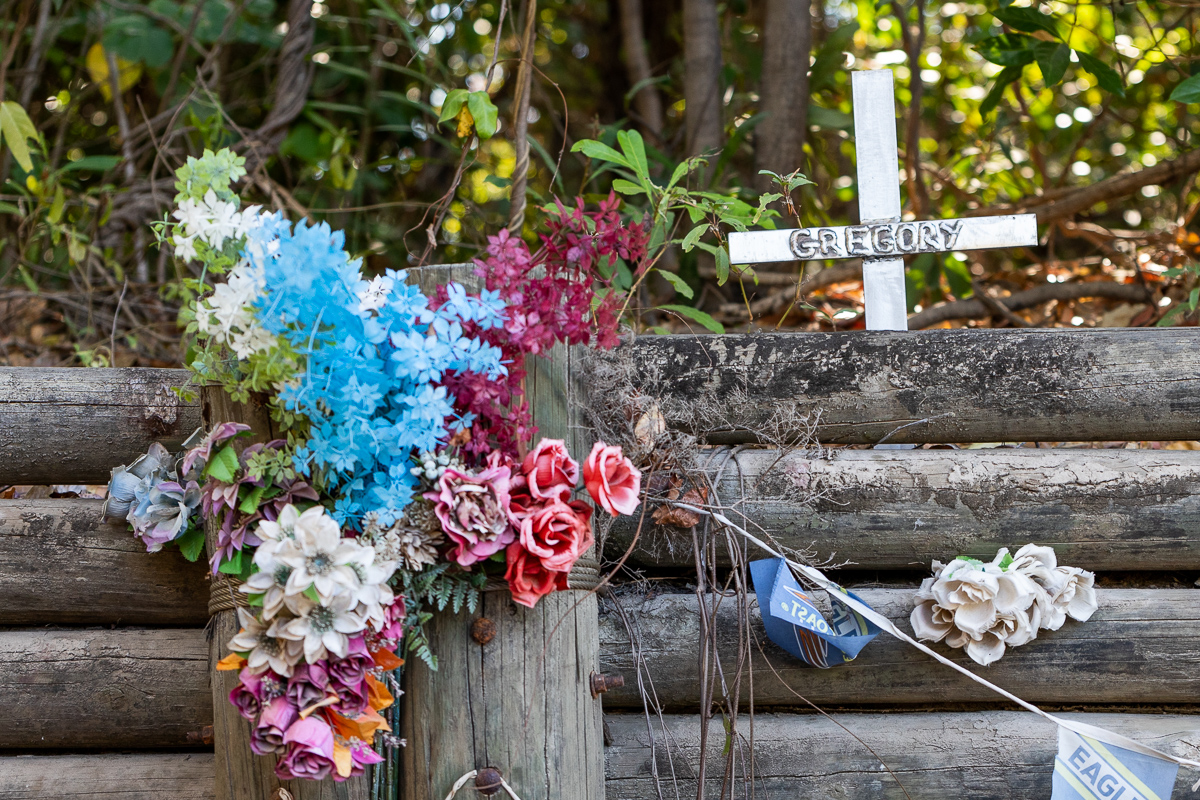
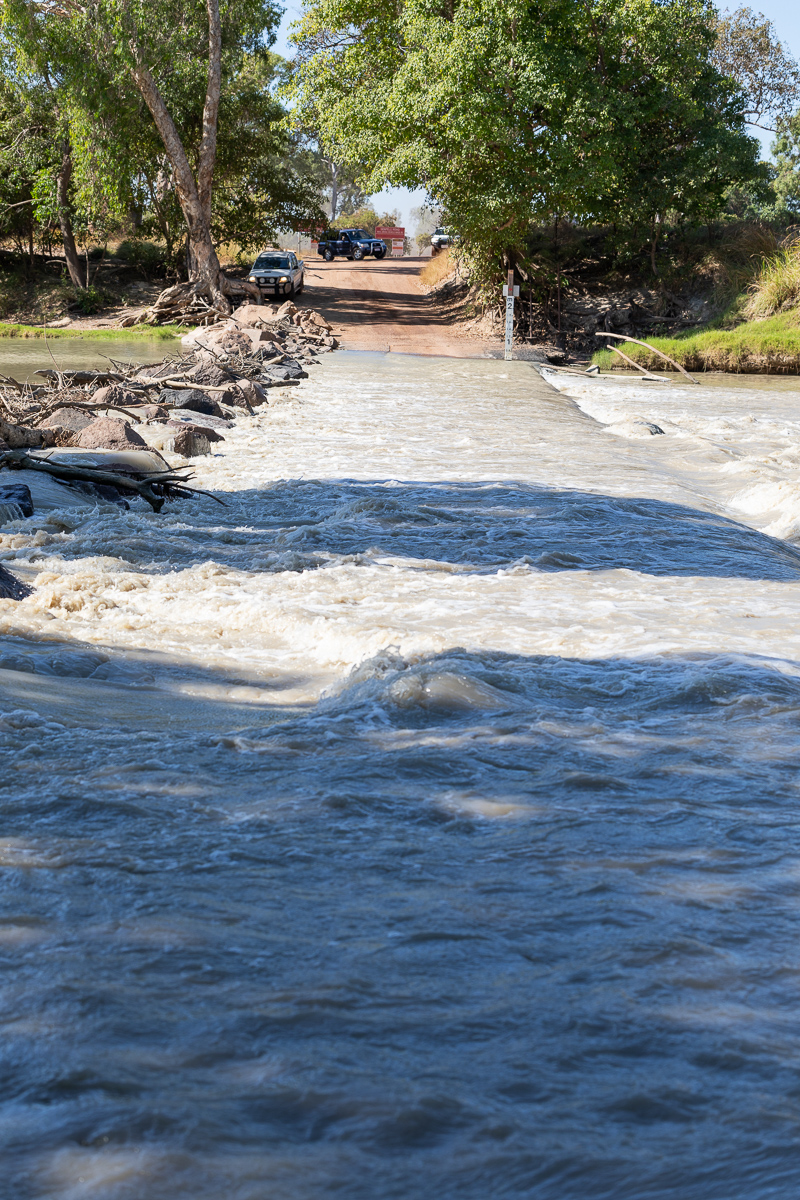
It’s an infamous feeding ground for saltwater crocodiles and one of the most dangerous bodies of water in the country. Cahills Crossing, on the East Alligator River in the Northern Territory, is notorious for its croc infested waters and human misadventure. High tide water flow over the crossing provides “fishing” opportunities for crocs.
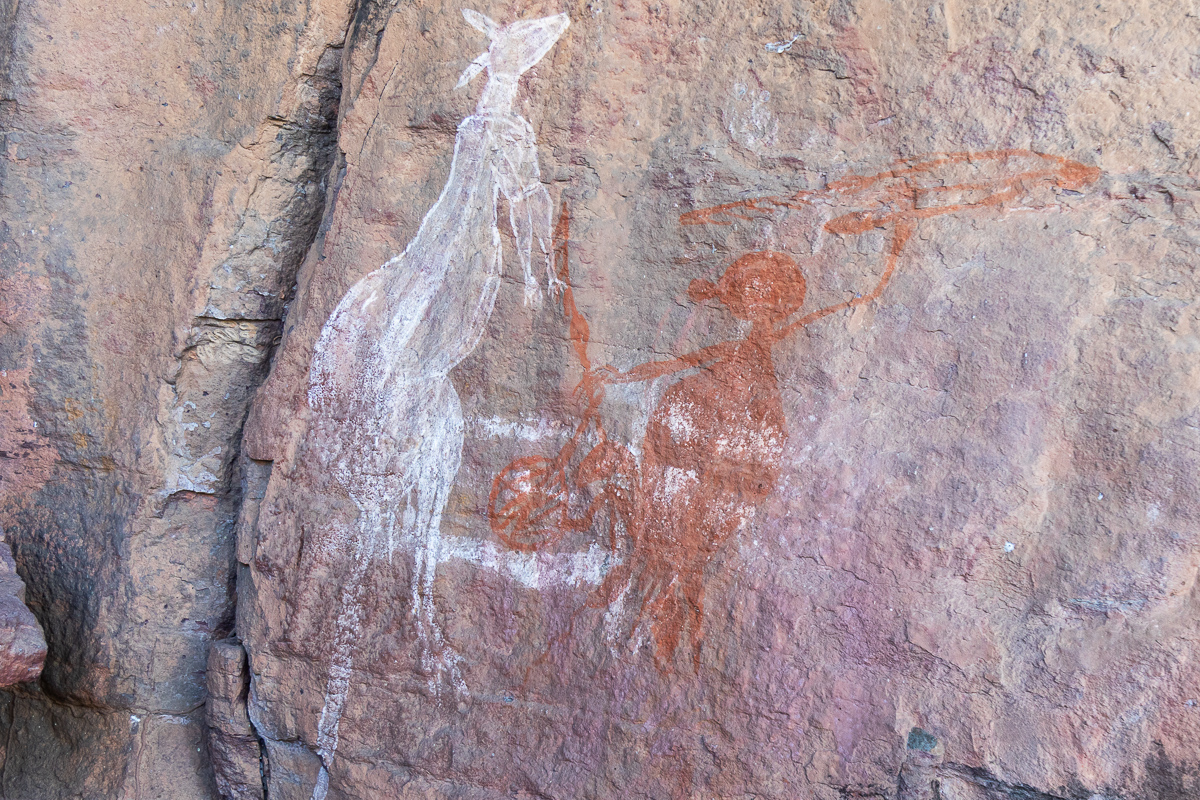
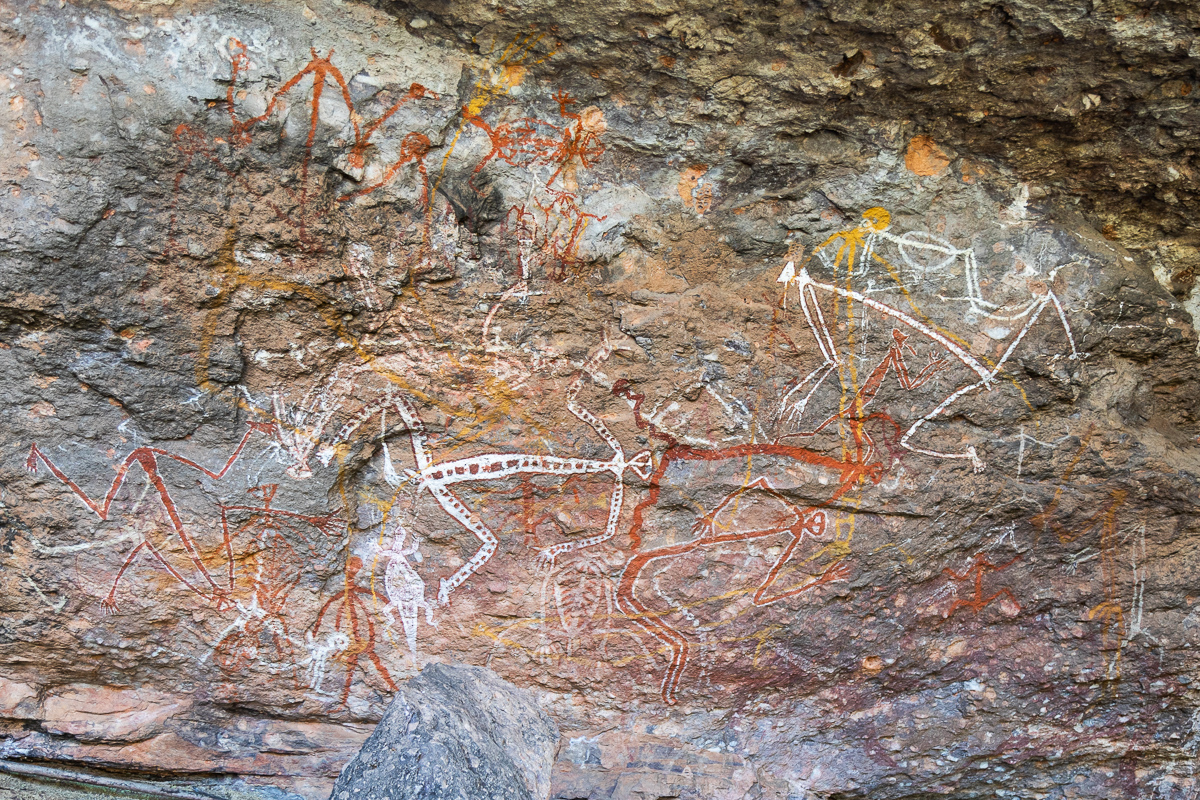
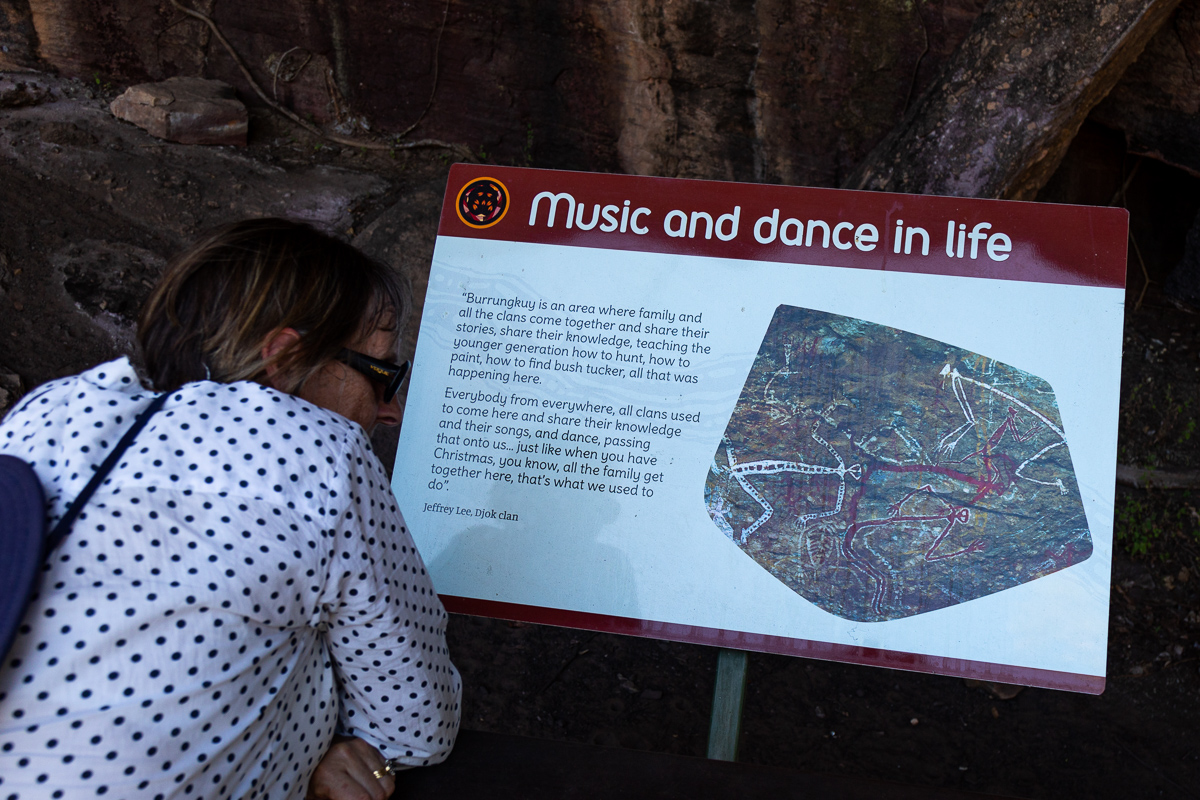
Burrungkuy_(Nourlangie)
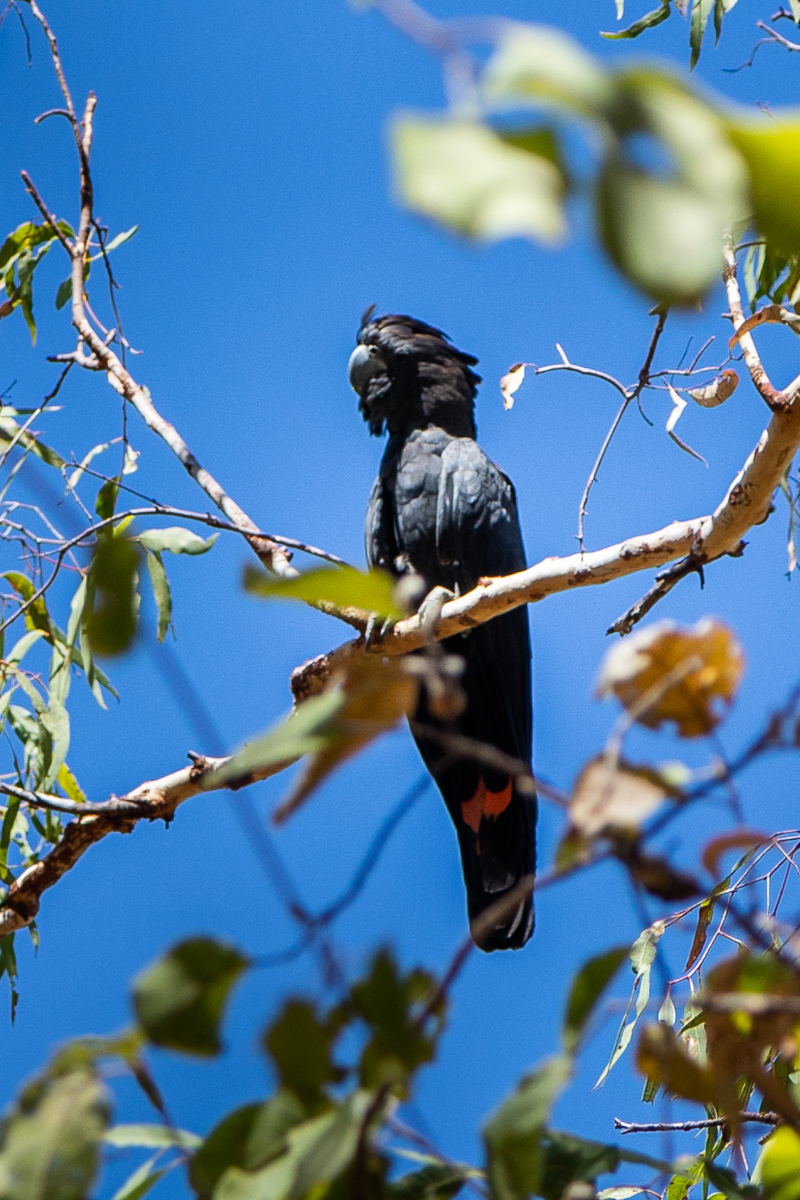
Kakadu’s popular Burrungkuy (Nourlangie) region is known for its World Heritage rock art, colourful birdlife and easy access walks and lookouts.
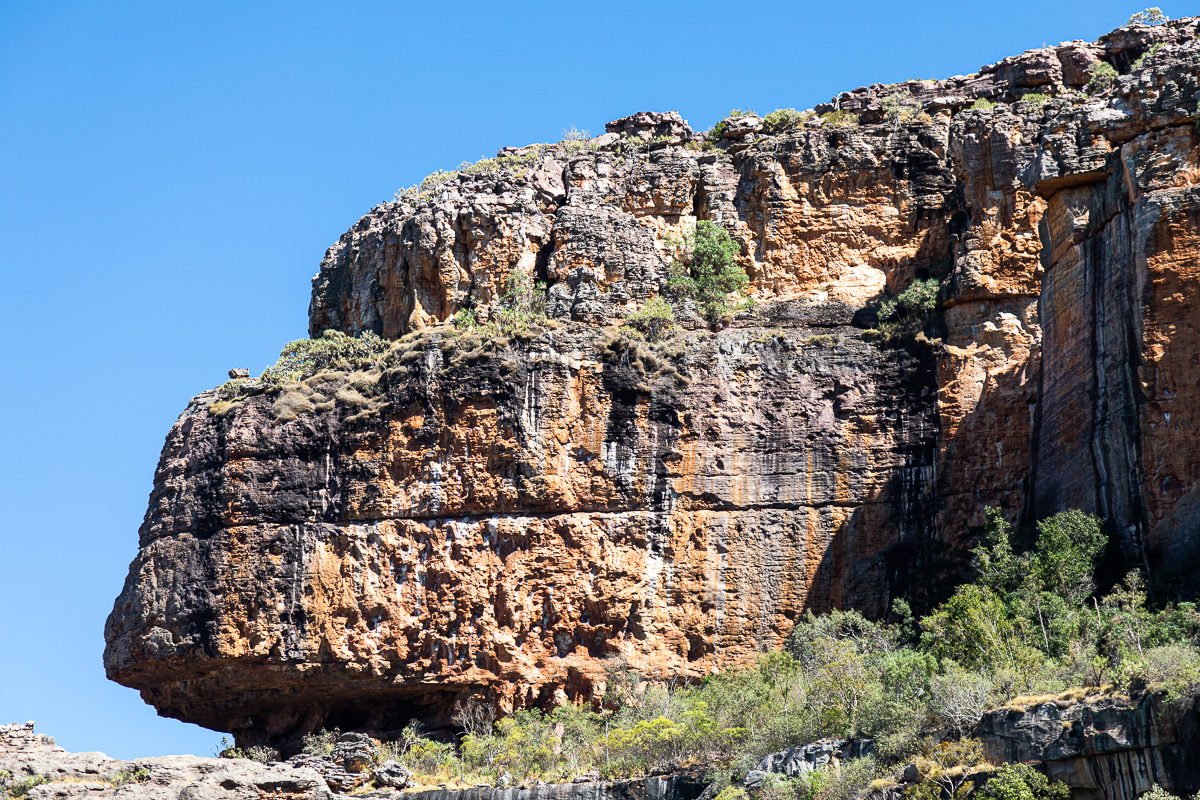
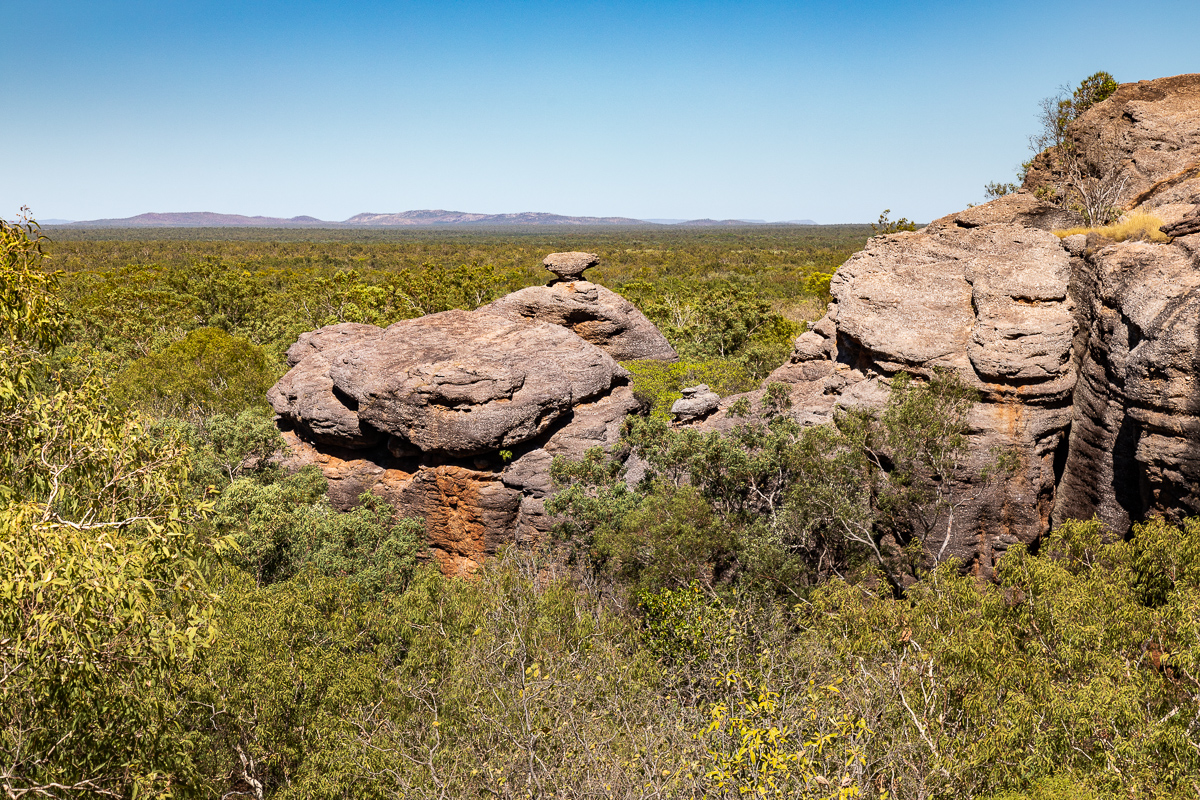
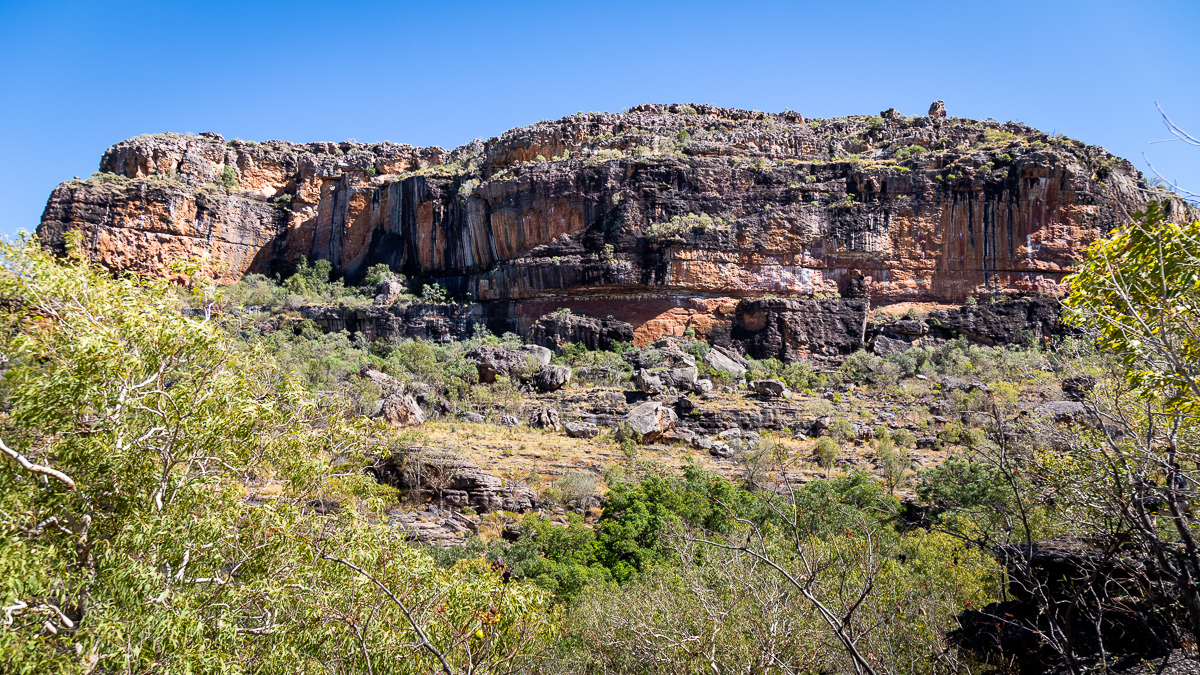
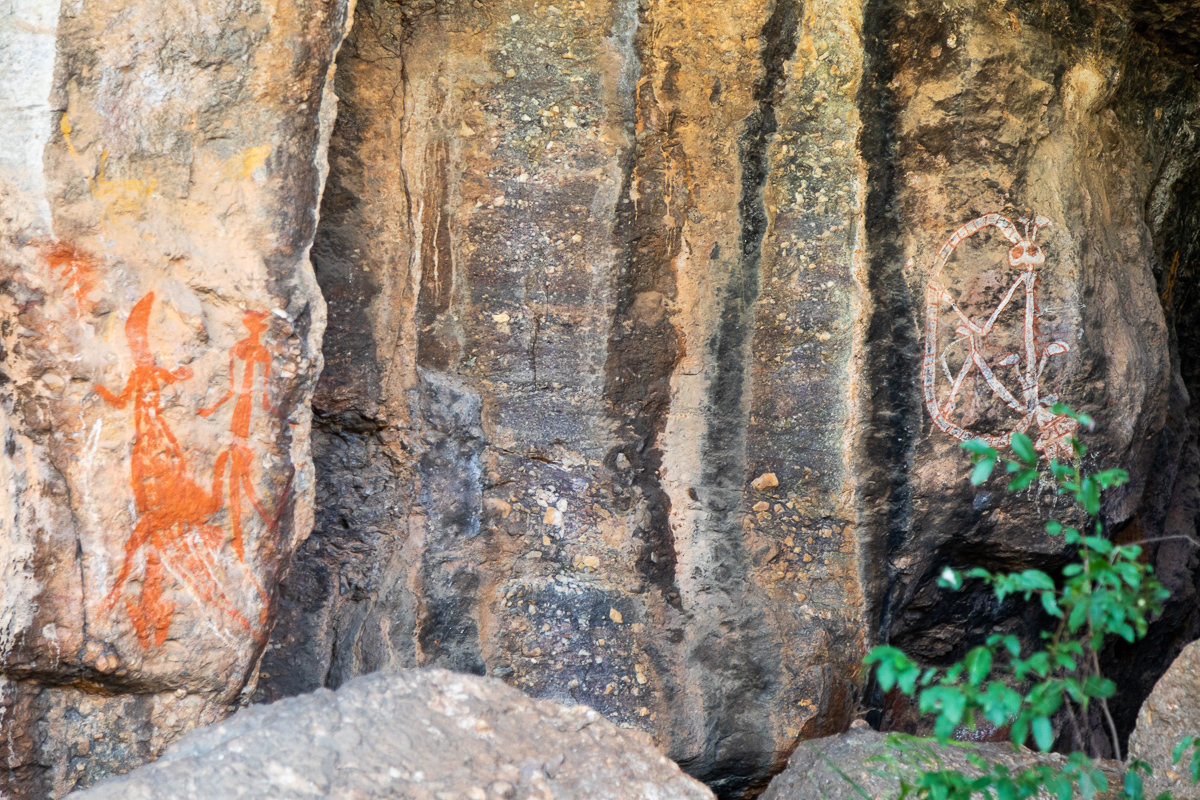
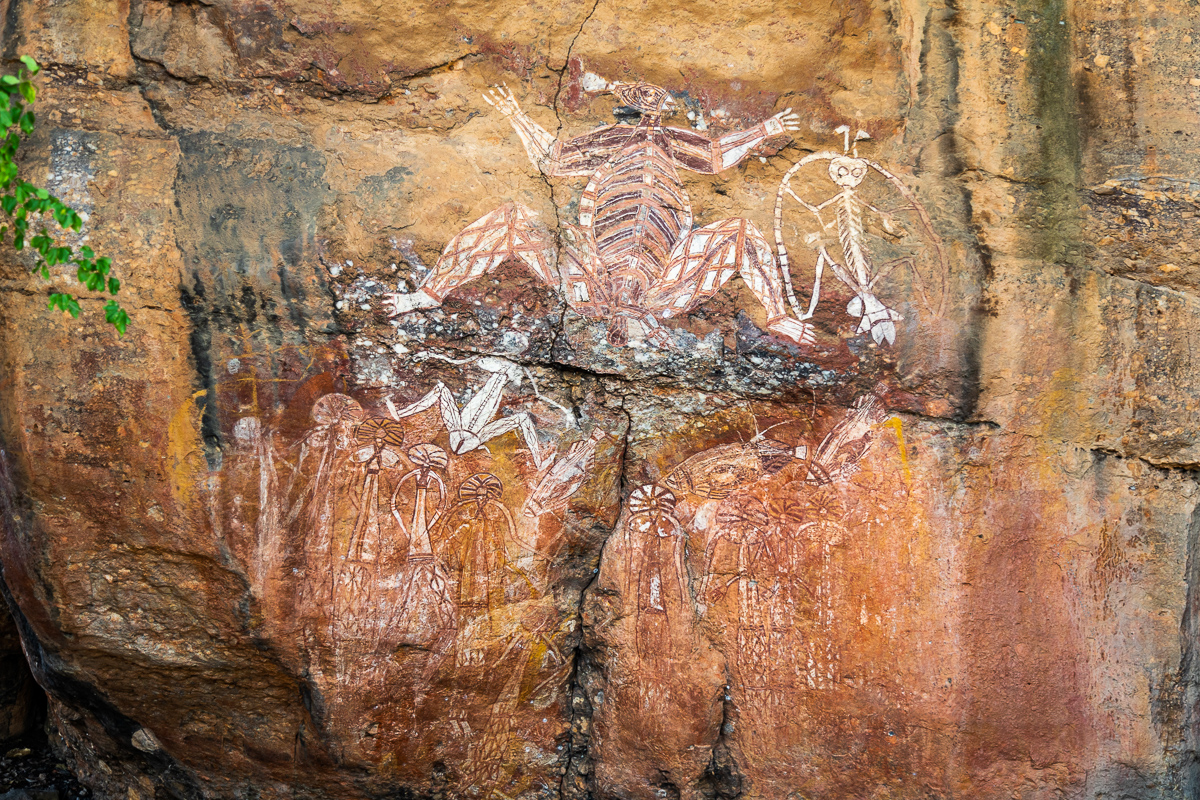
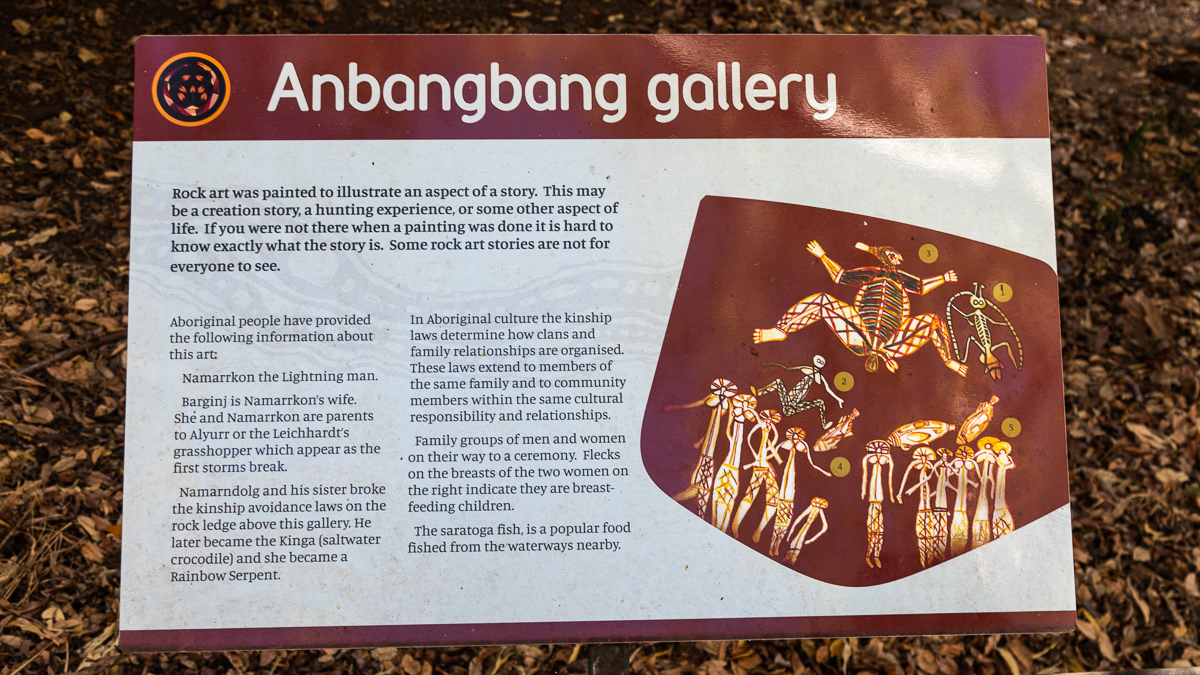
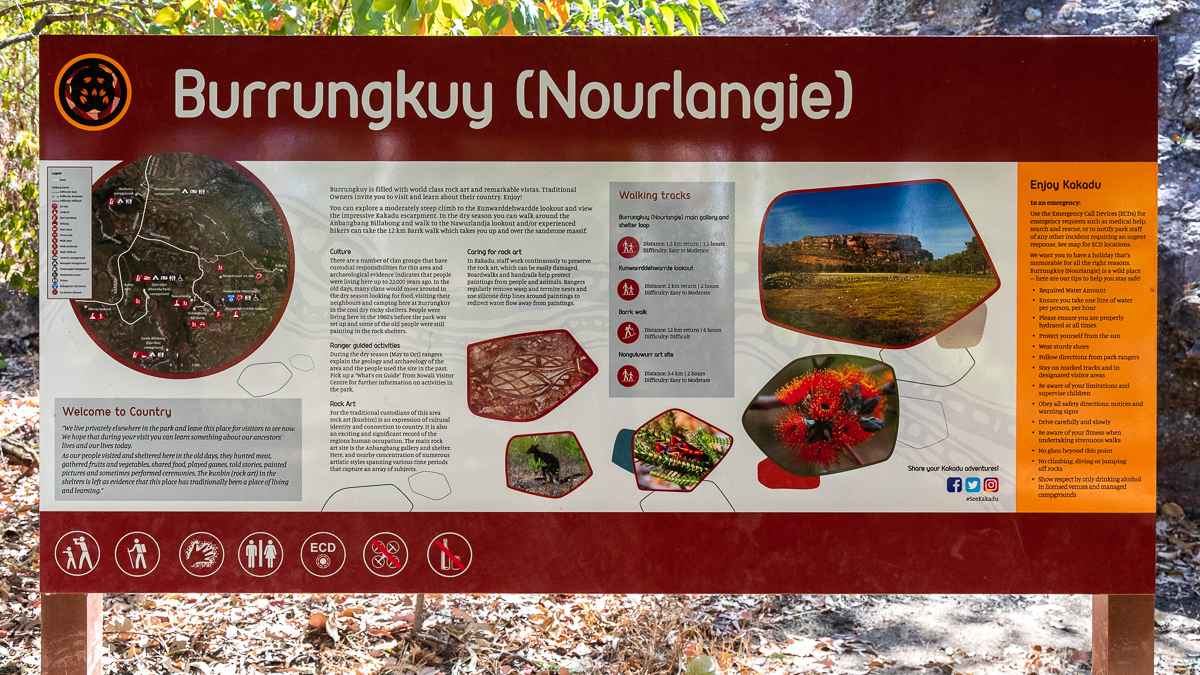
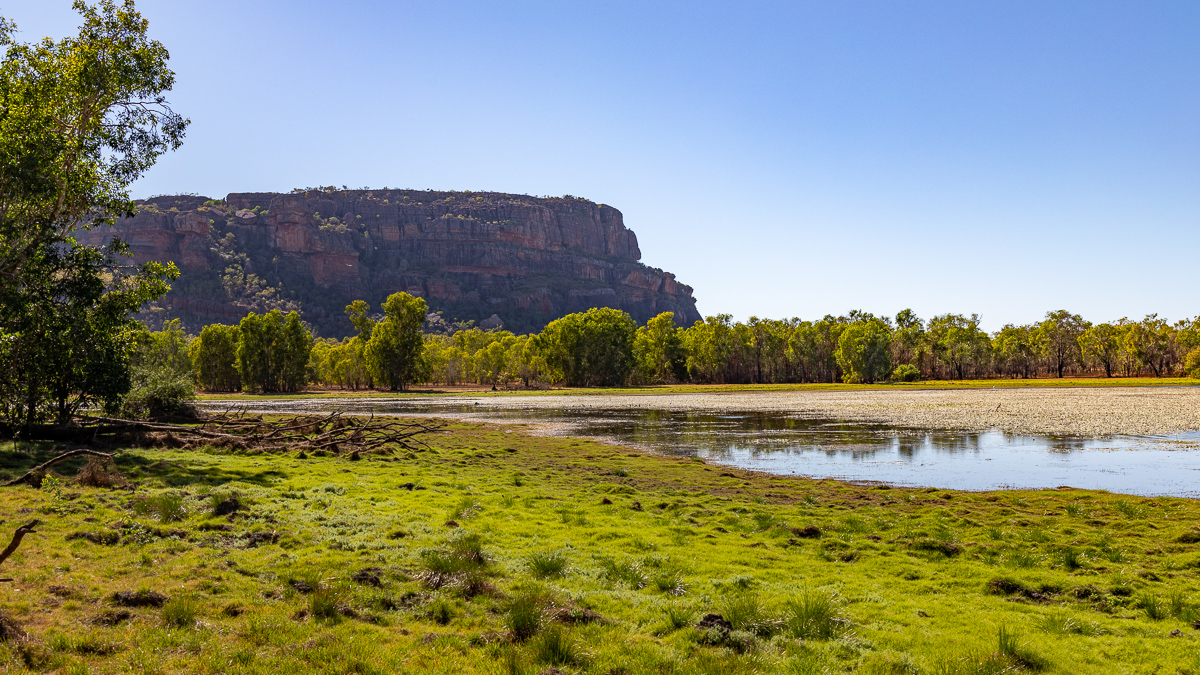
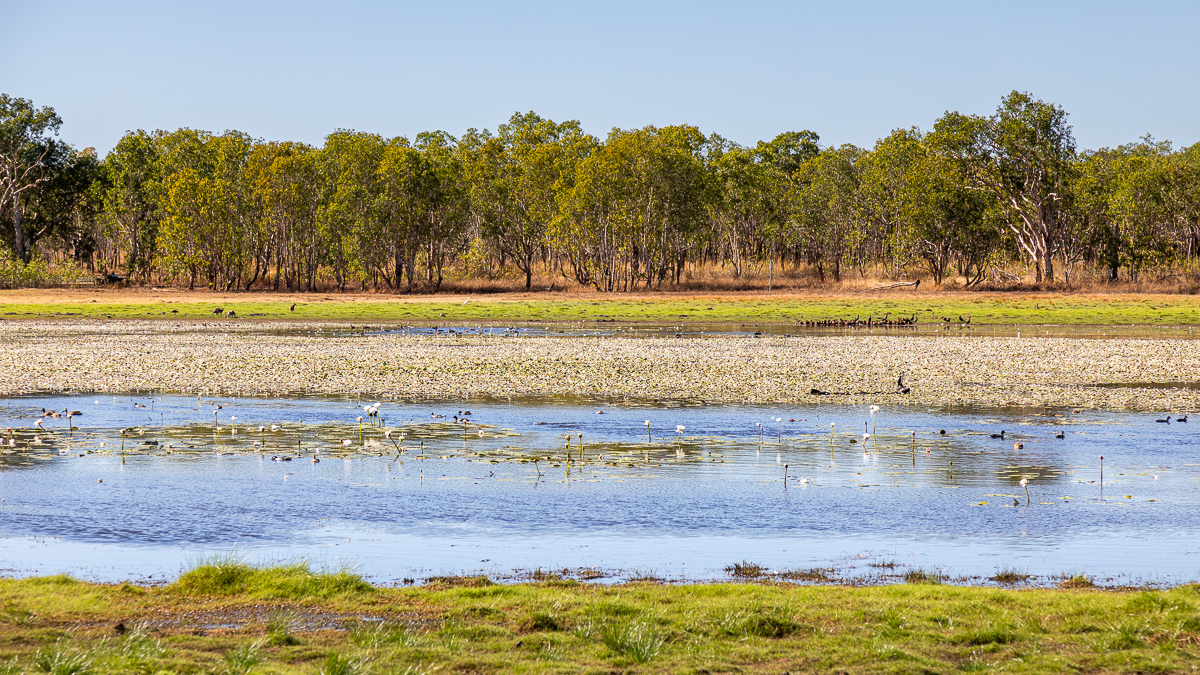
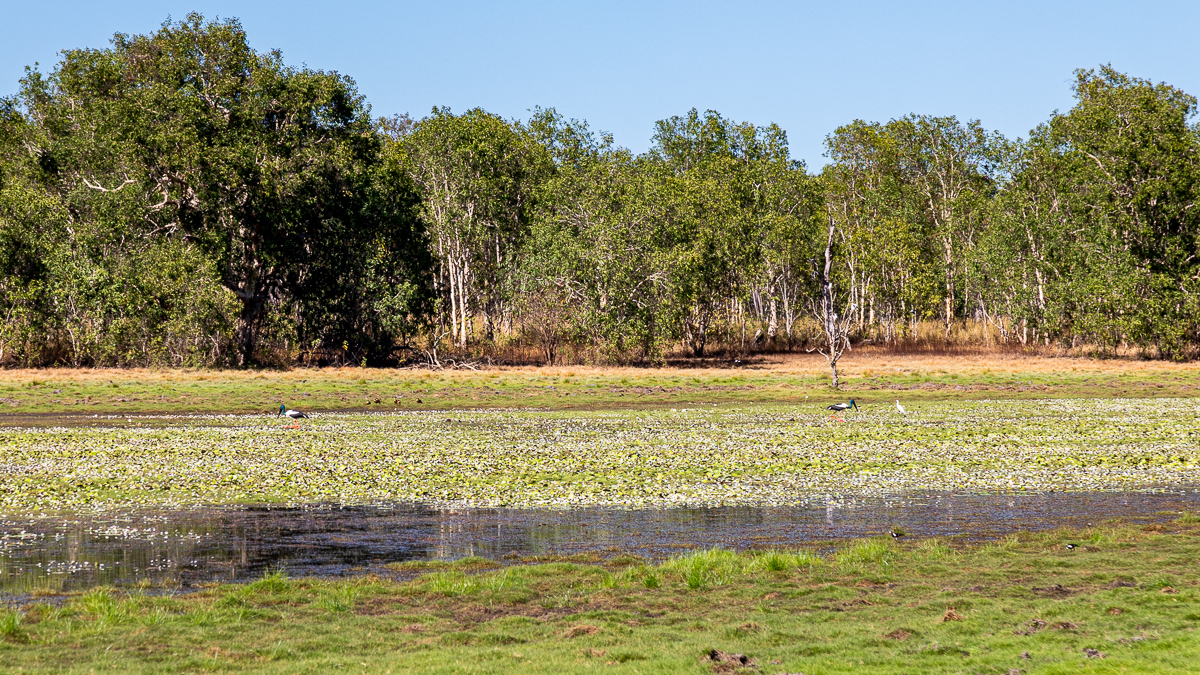
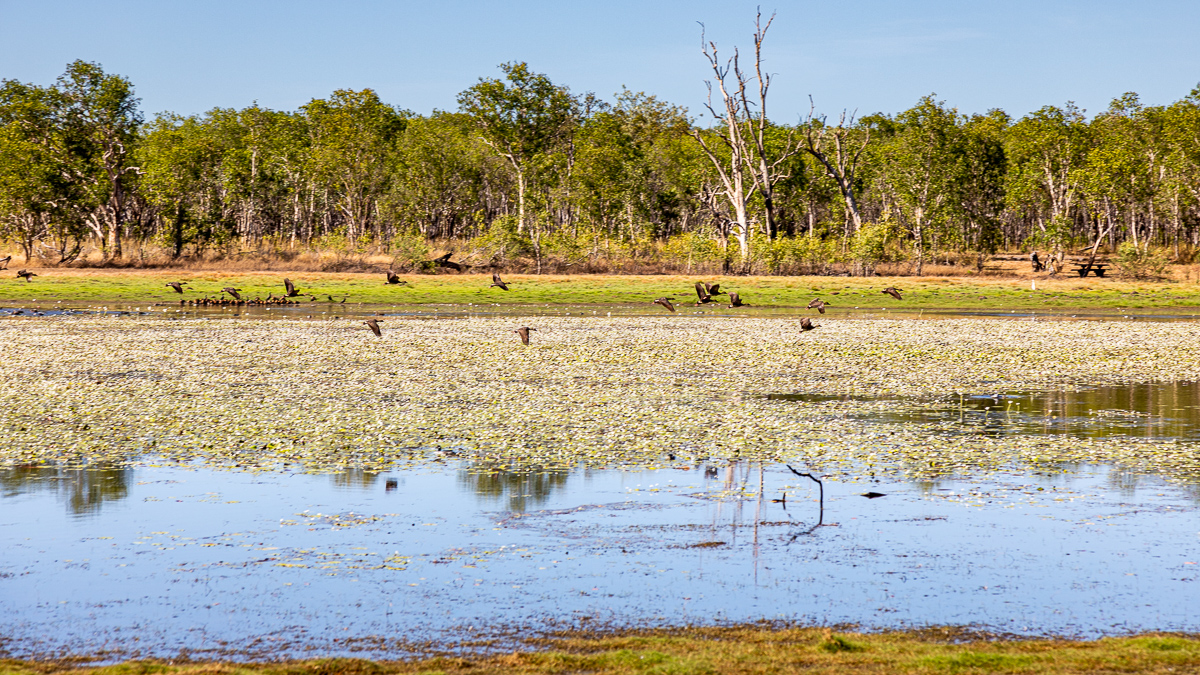
Nawurlandja Billabong
Overflowing with wildlife…
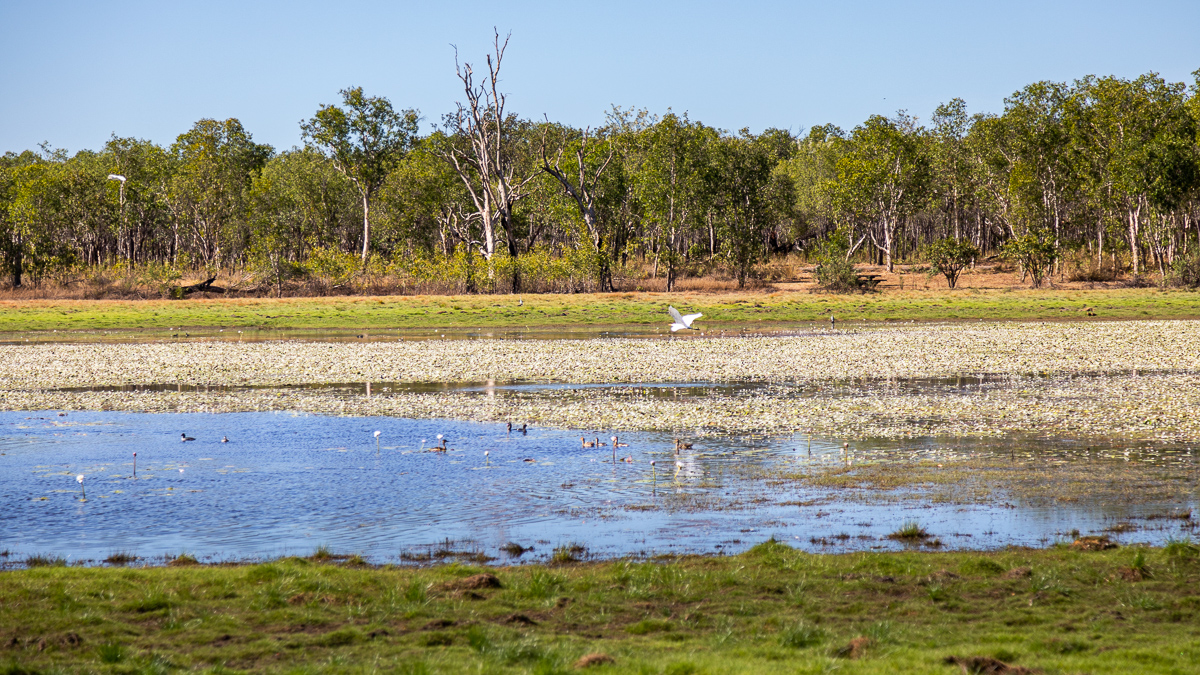
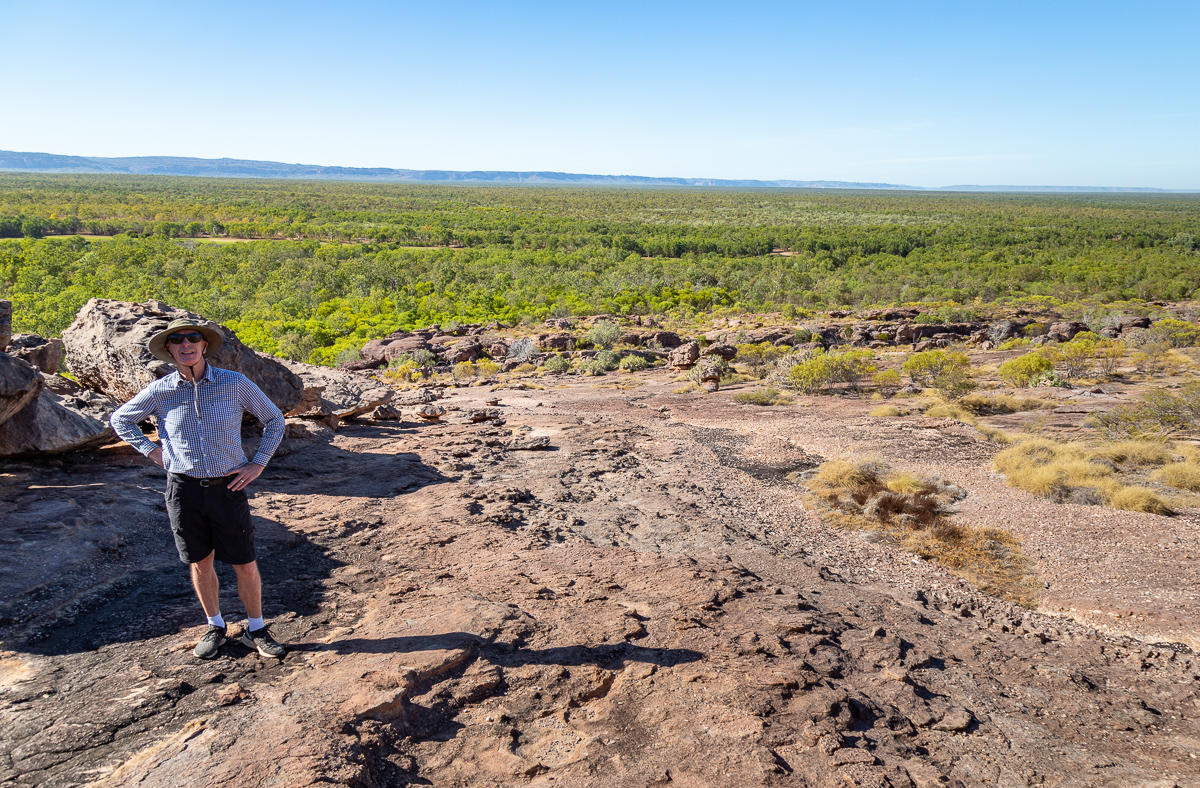
Nawurlandja Lookout
Nawurlandja billabong can be seen in the middle ground

Kakadu
Kakadu National Park is such a biodiverse nature reserve and cultural location. It is usually a popular tourism destination… but much less this season due to COVID. Initially we have set up at Jabiru to experience the northern part of the park.
Darwin Aviation Museum
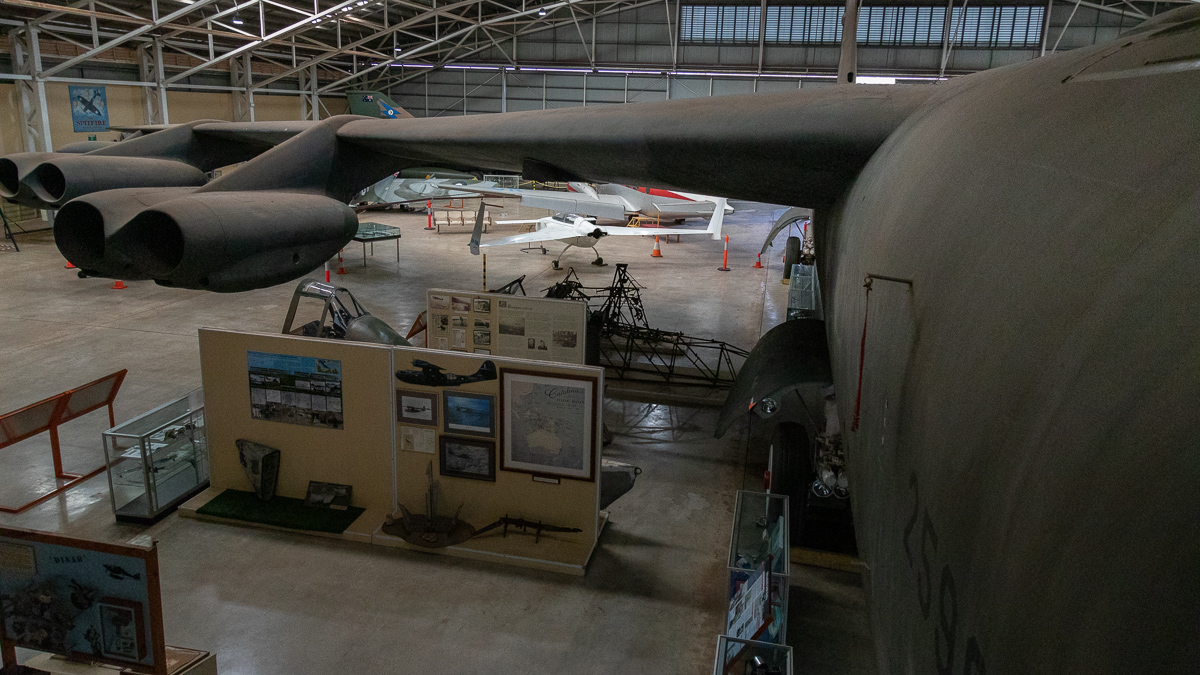
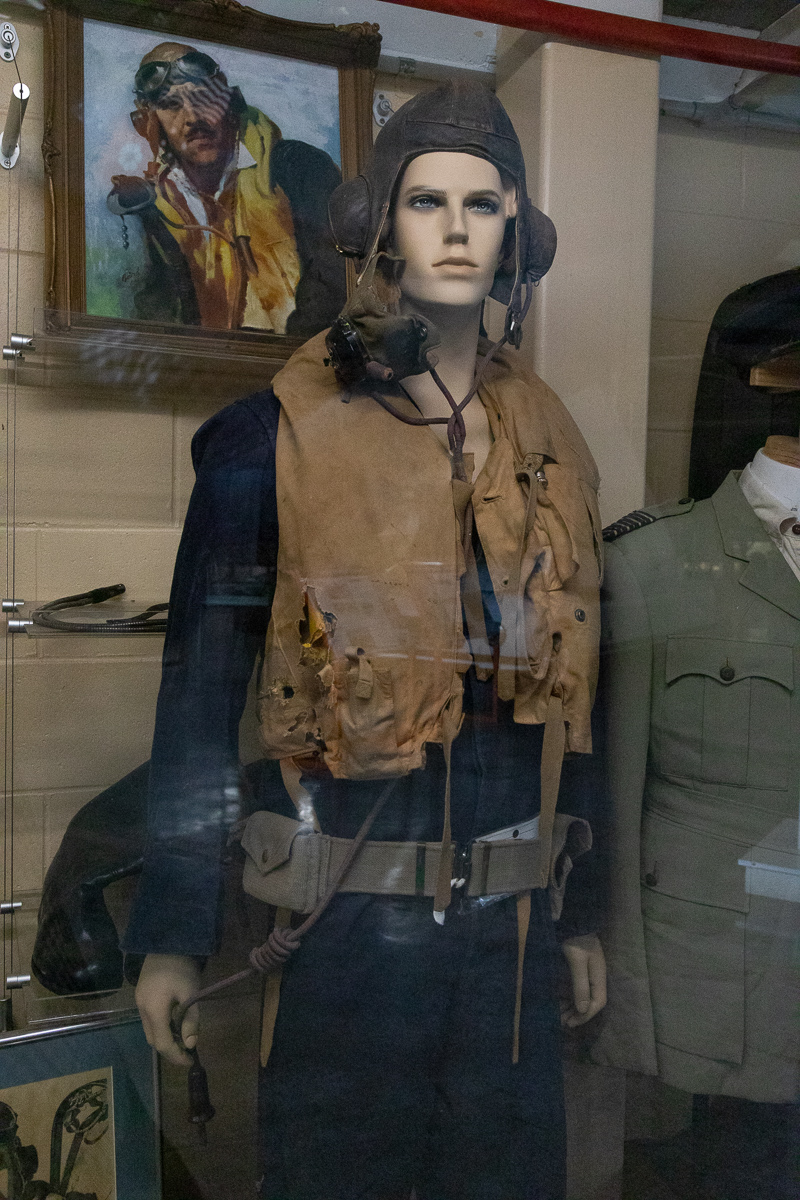
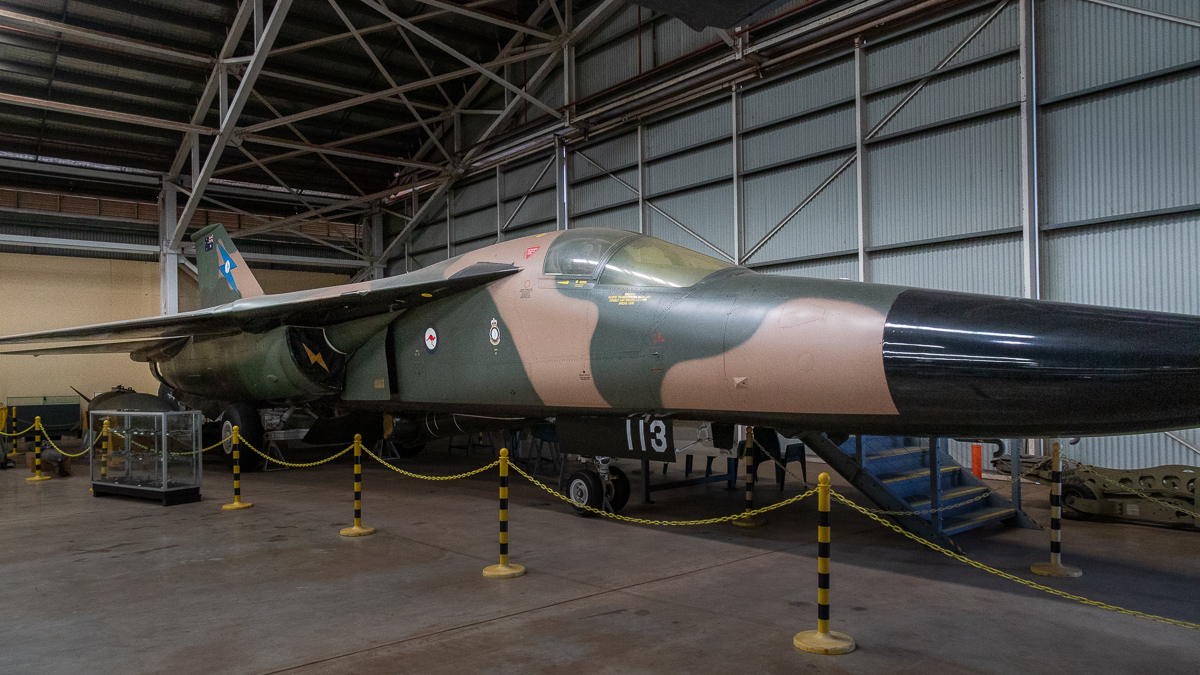
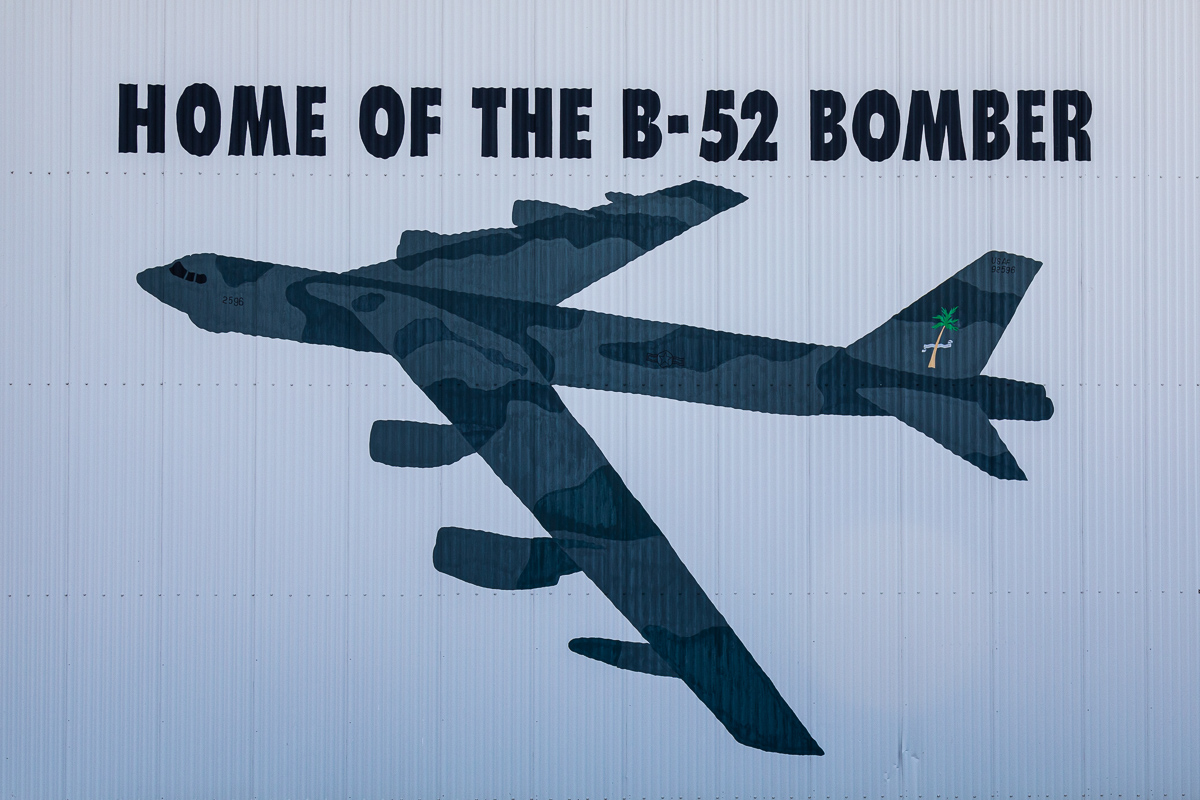
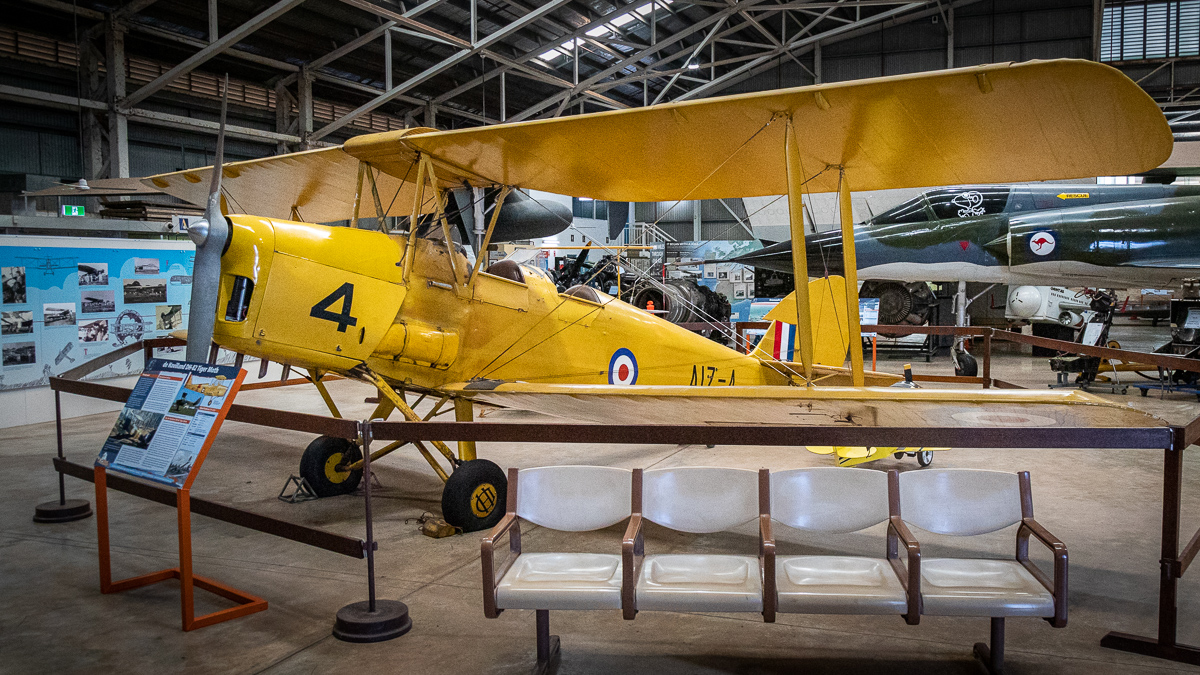
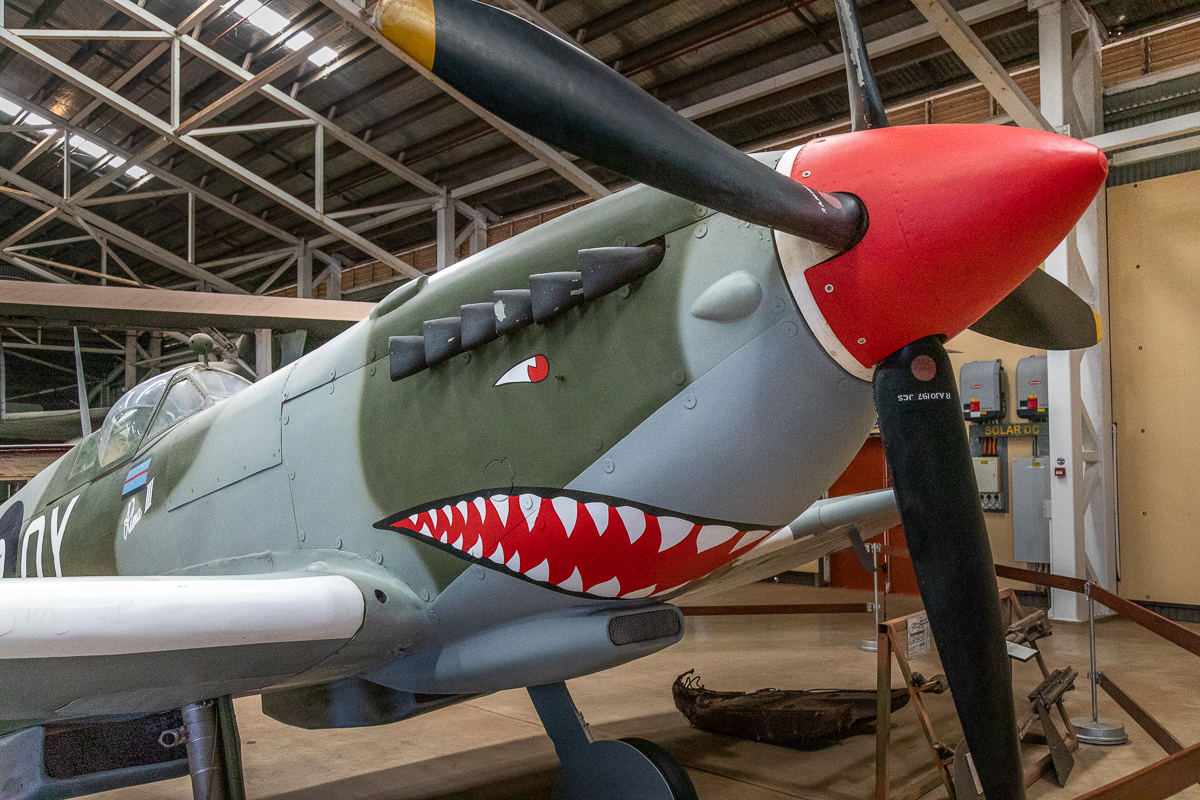
Interesting stories about Darwin’s aviation history and wartime experience with 19 aircraft including a B52 bomber, 21 engines and a rare amateur footage of the first air-raid in Darwin on display. Darwin was bombed more than Pearl Harbour during the air raid. There were more aircraft used and more tonnage of bombs dropped. On 19 February 1942, 188 Japanese planes bombed Darwin in two air raids. One Japanese plane crash-landed on Melville Island to Darwin’s north, and its pilot was captured by a local Aboriginal man.