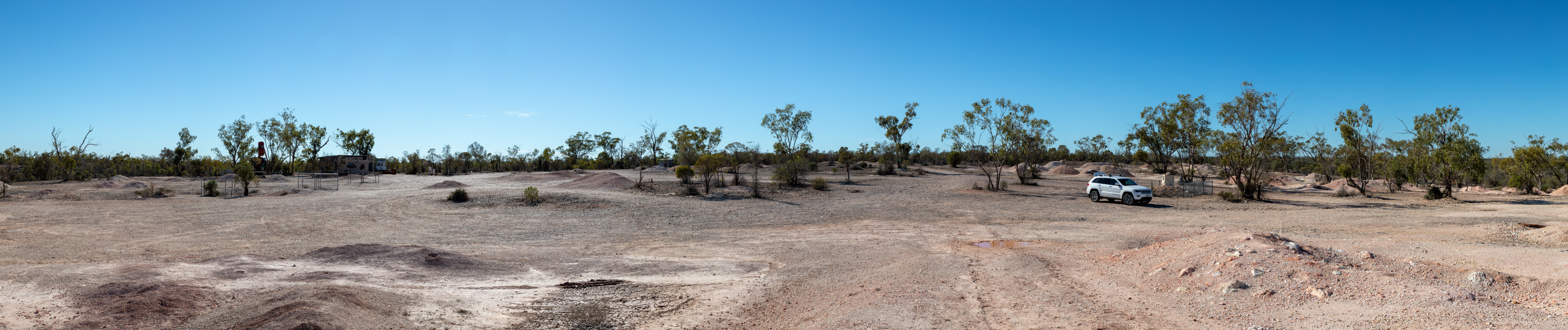
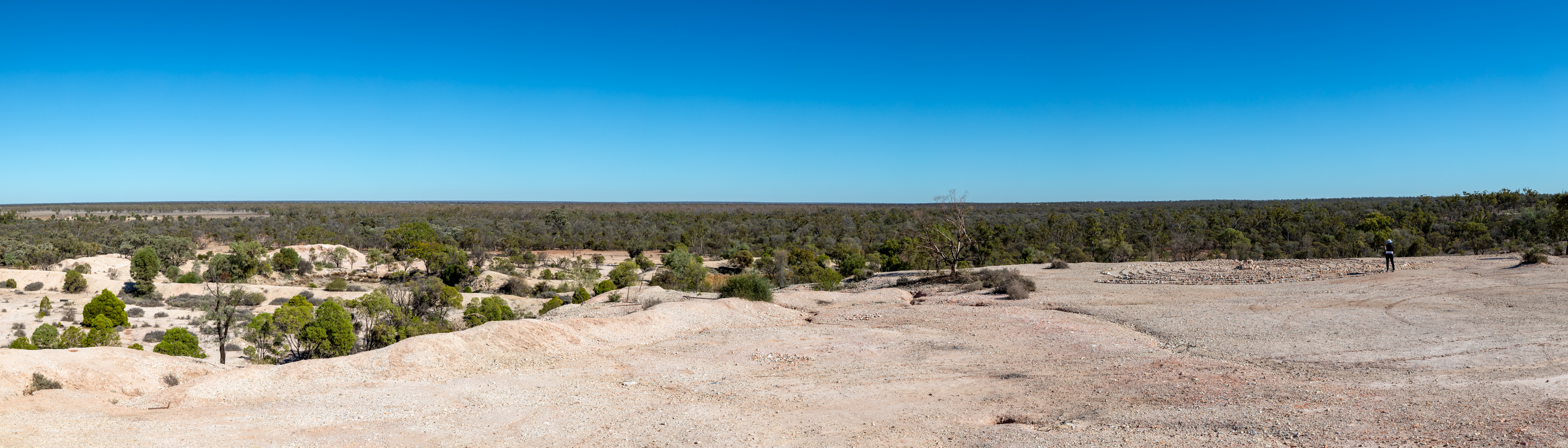

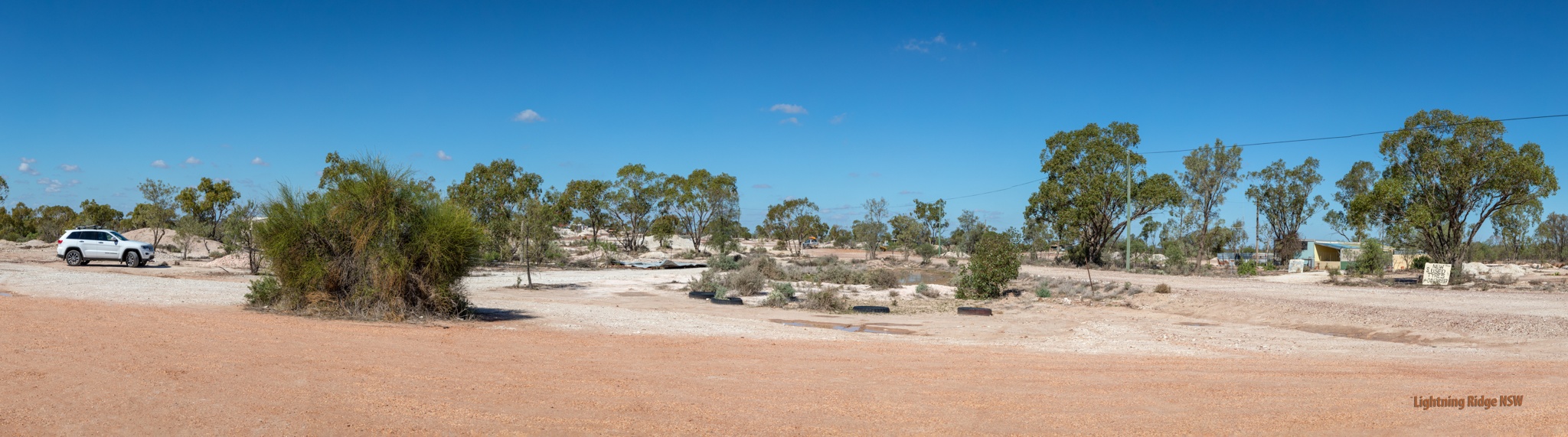
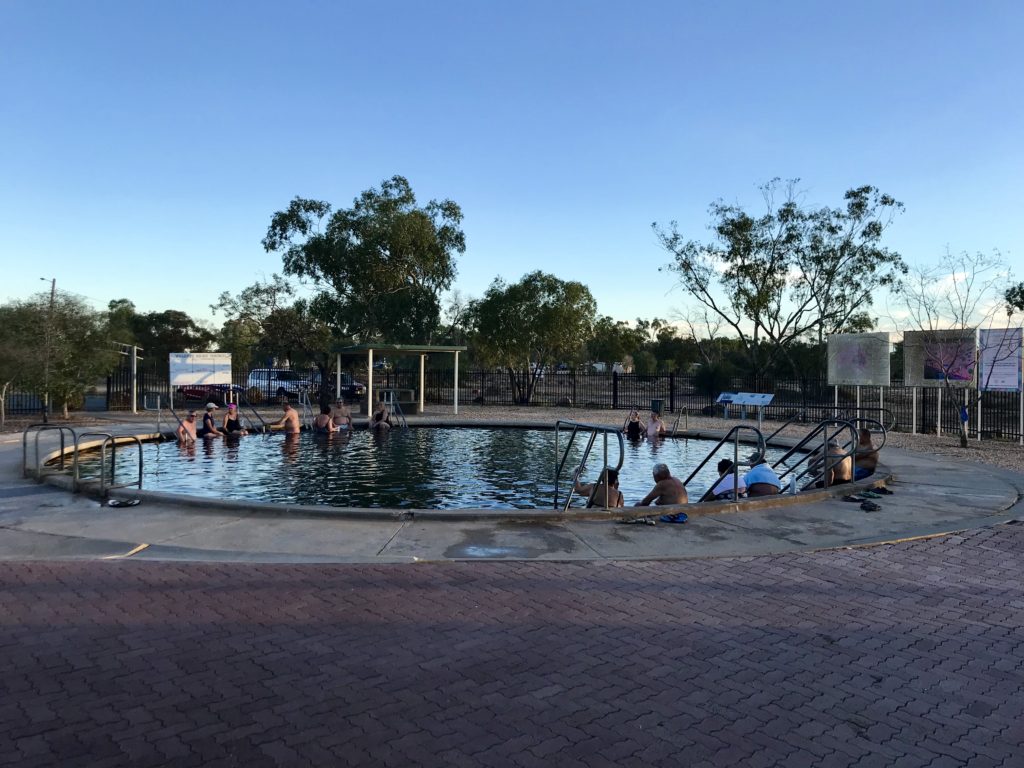
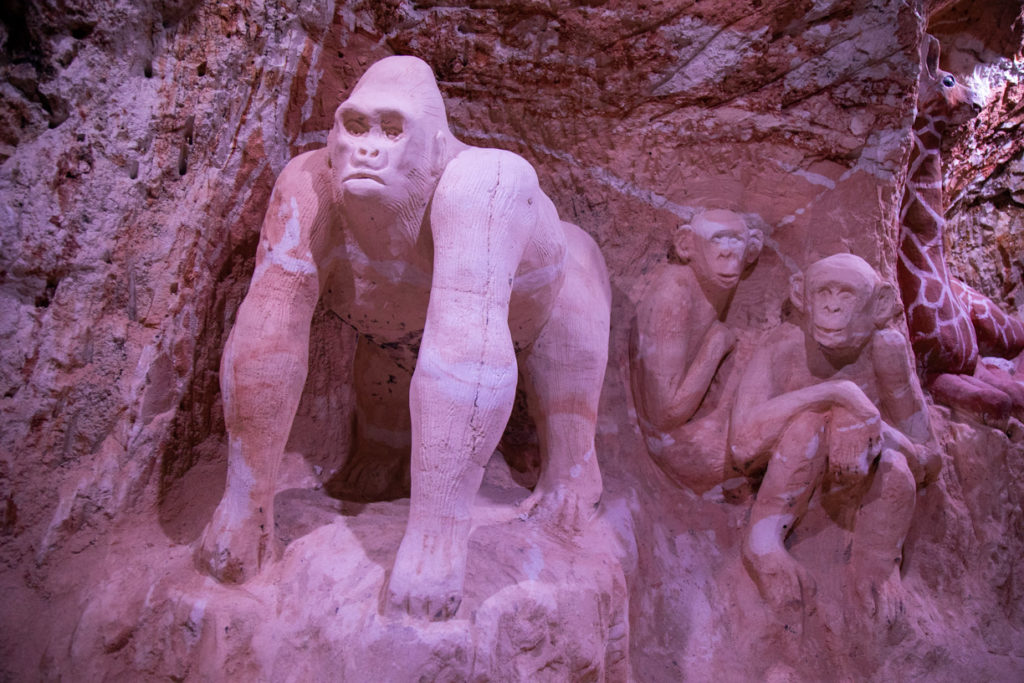
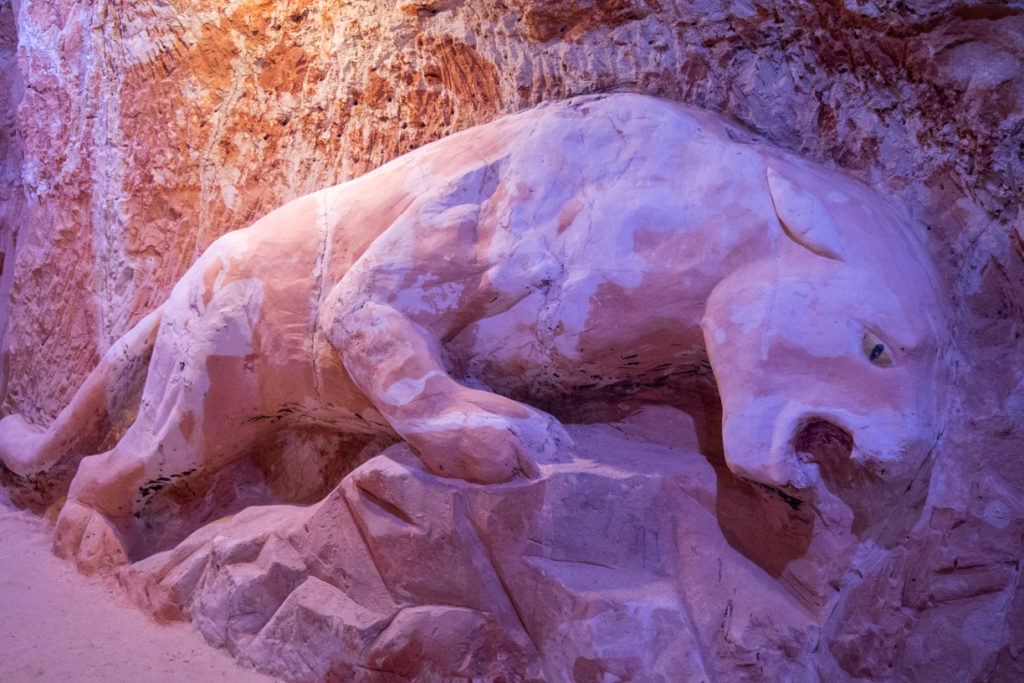
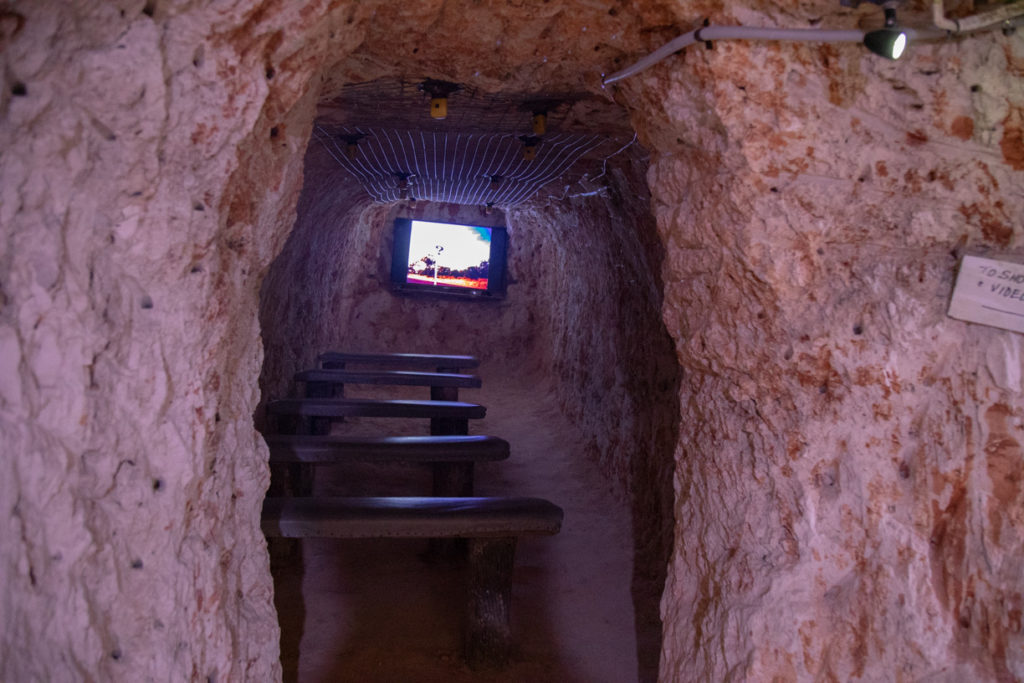
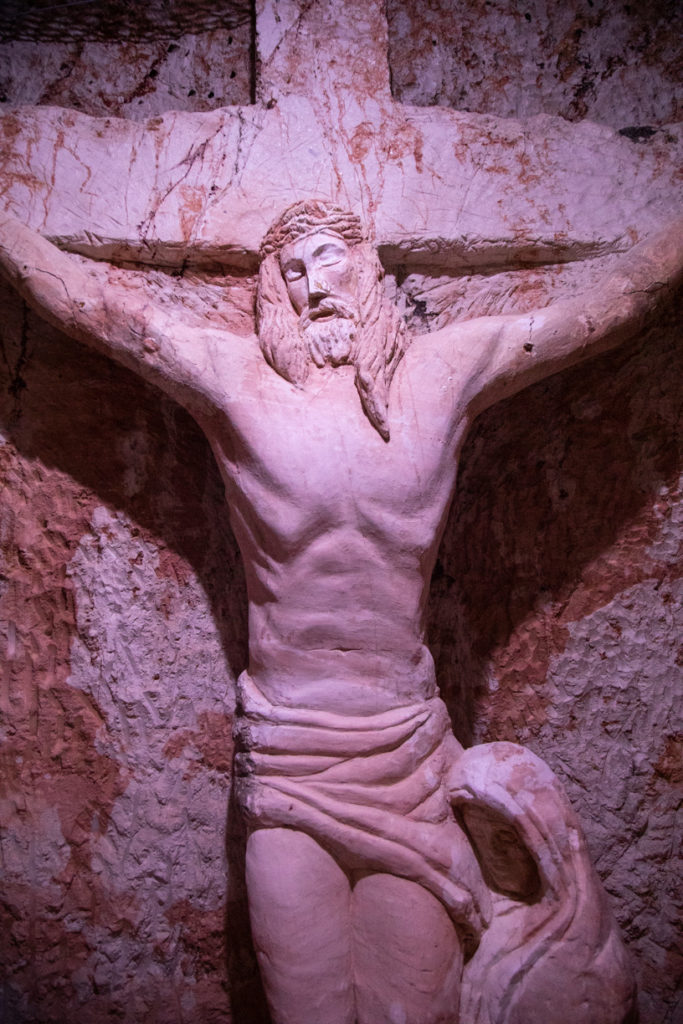
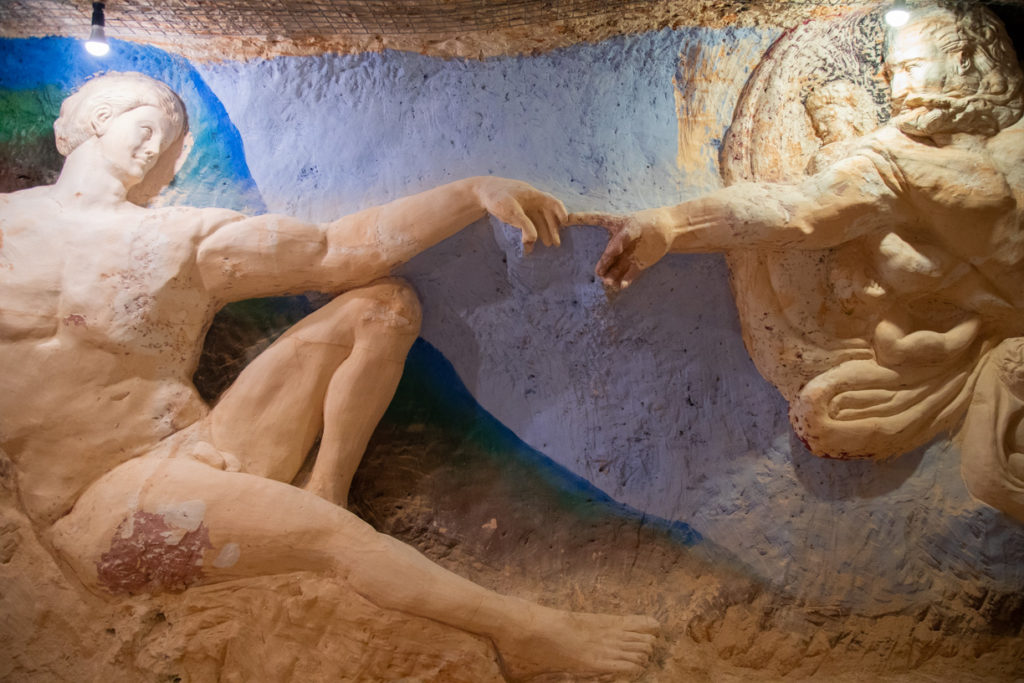
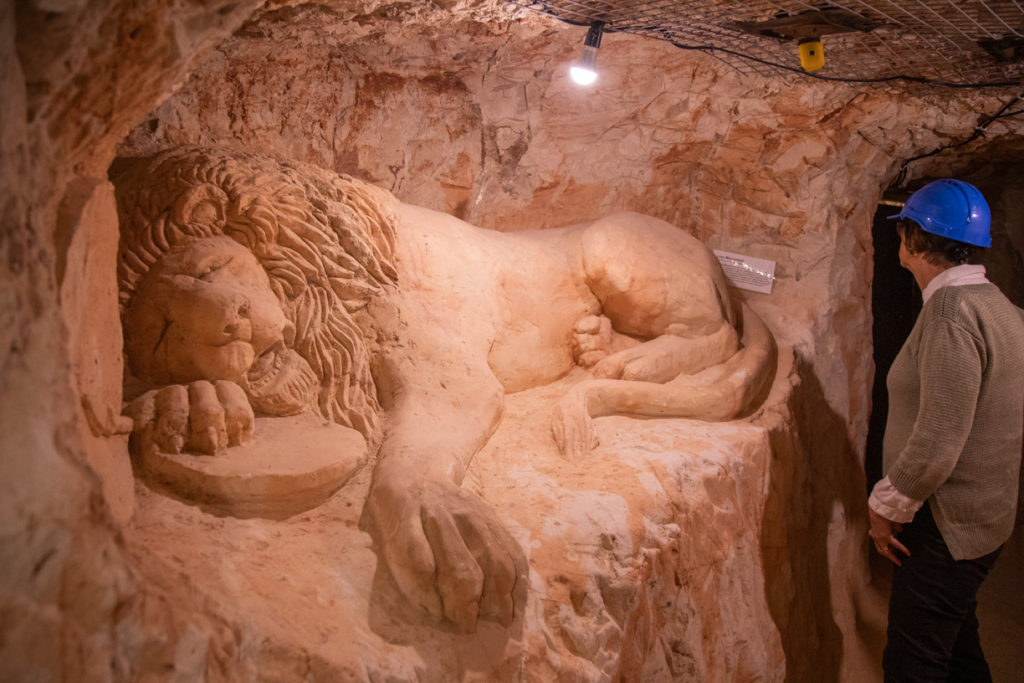
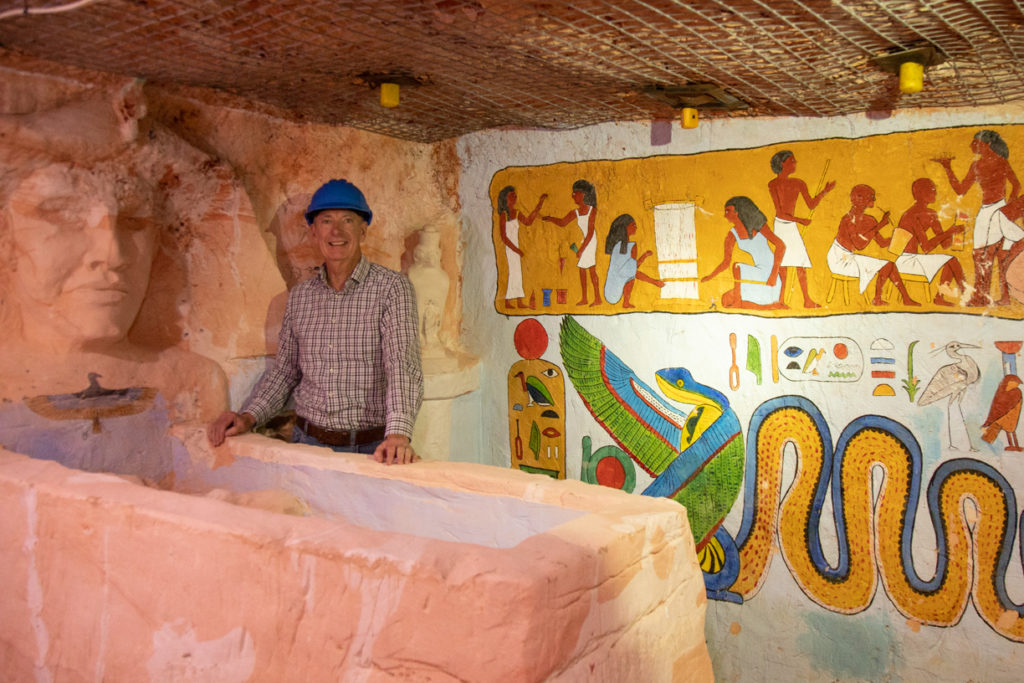
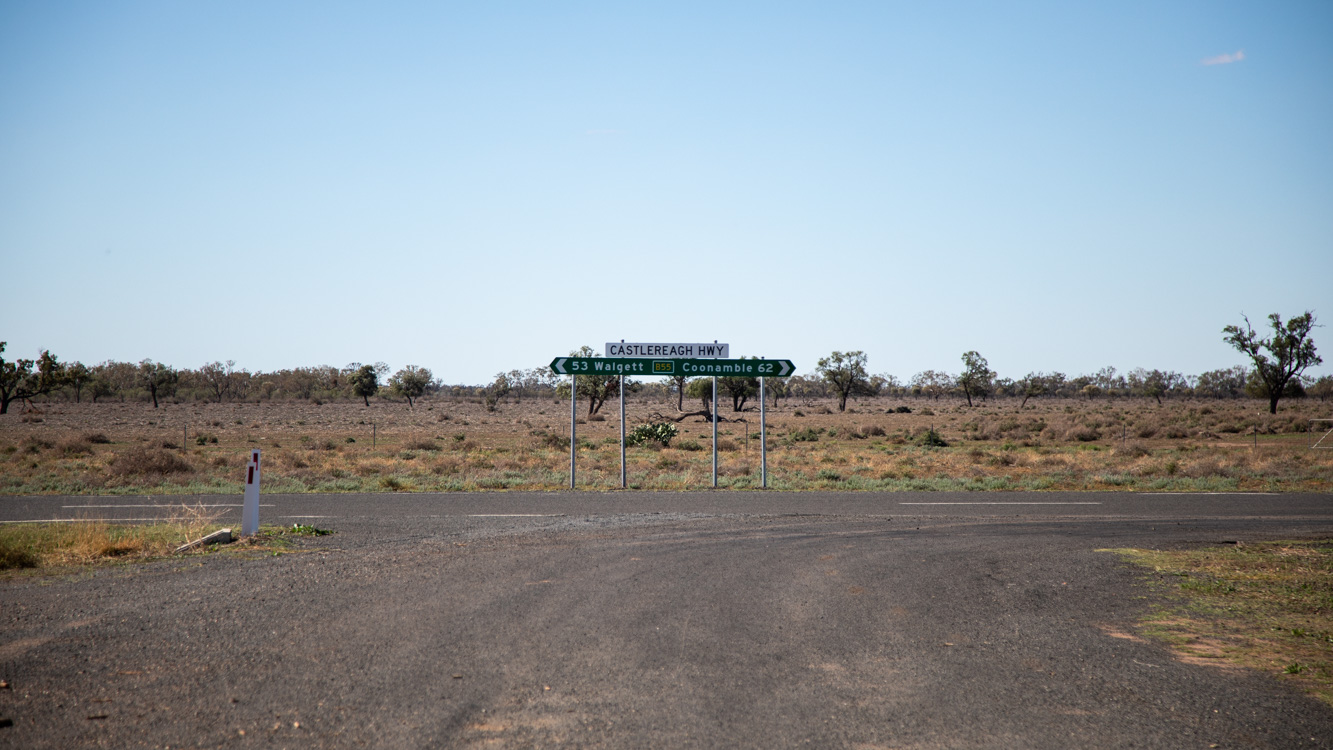
Chambers of the Black Hand… Sculpture museum in Lightning Ridge, New South Wales


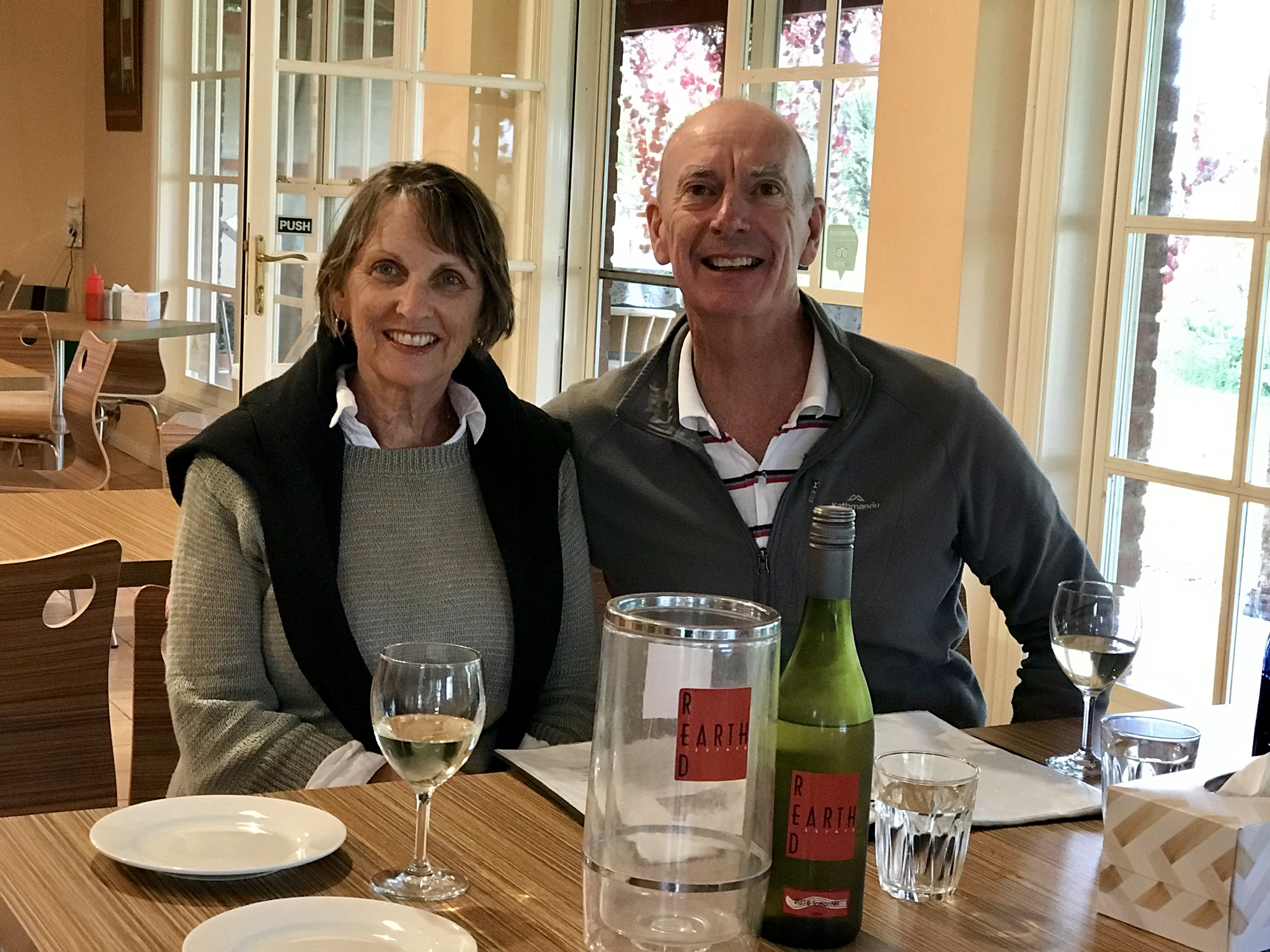
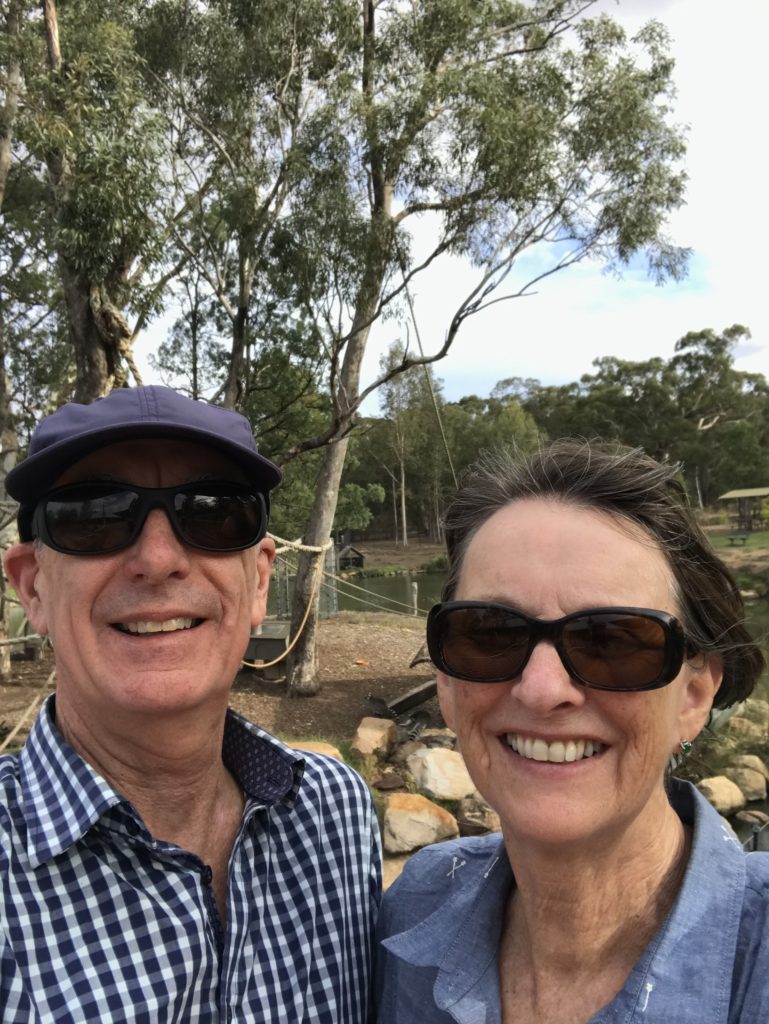
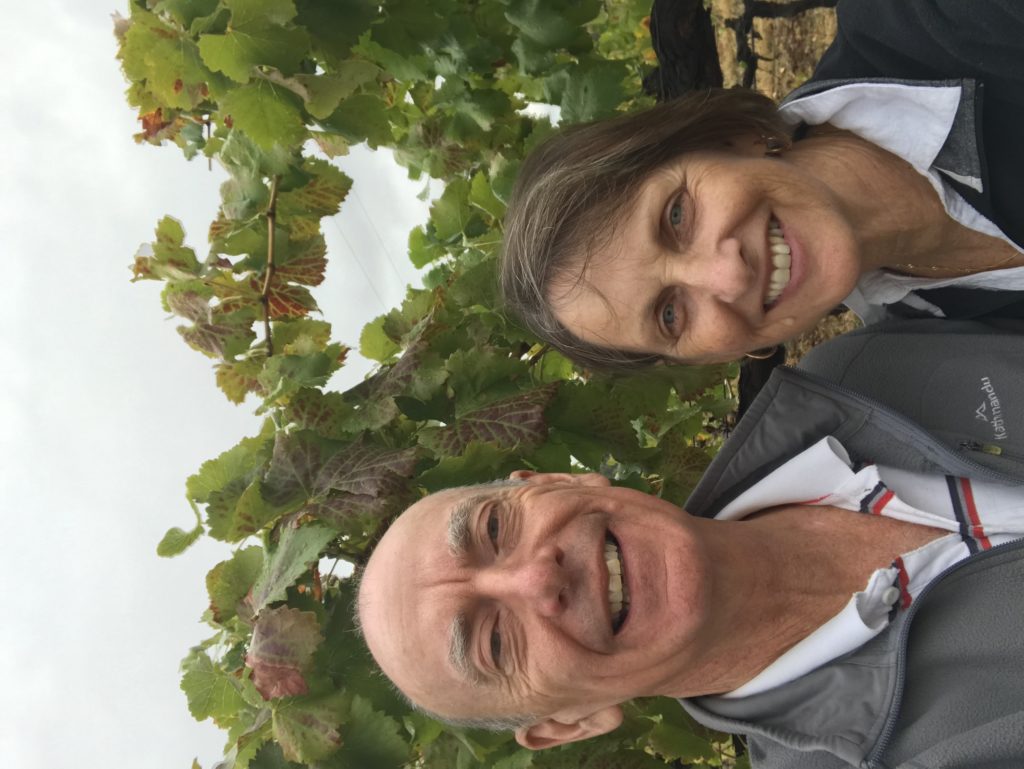
Celebrated Jennifer’s birthday in Dubbo of all places! Lunch at the Red Earth Winery followed by dinner at a Japanese Teppanyaki restaurant.
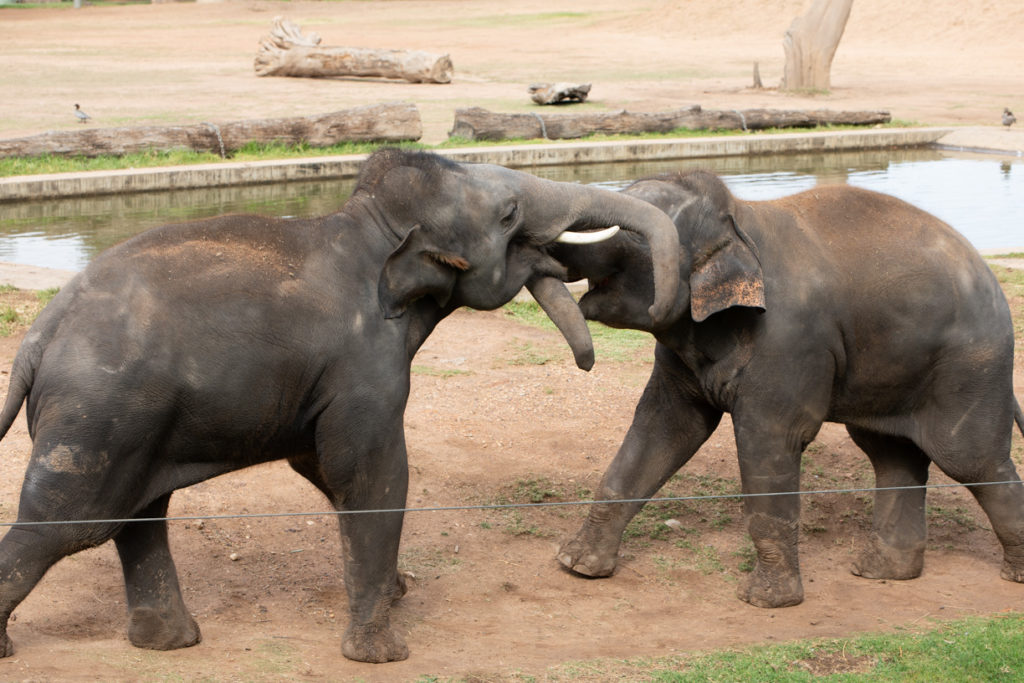
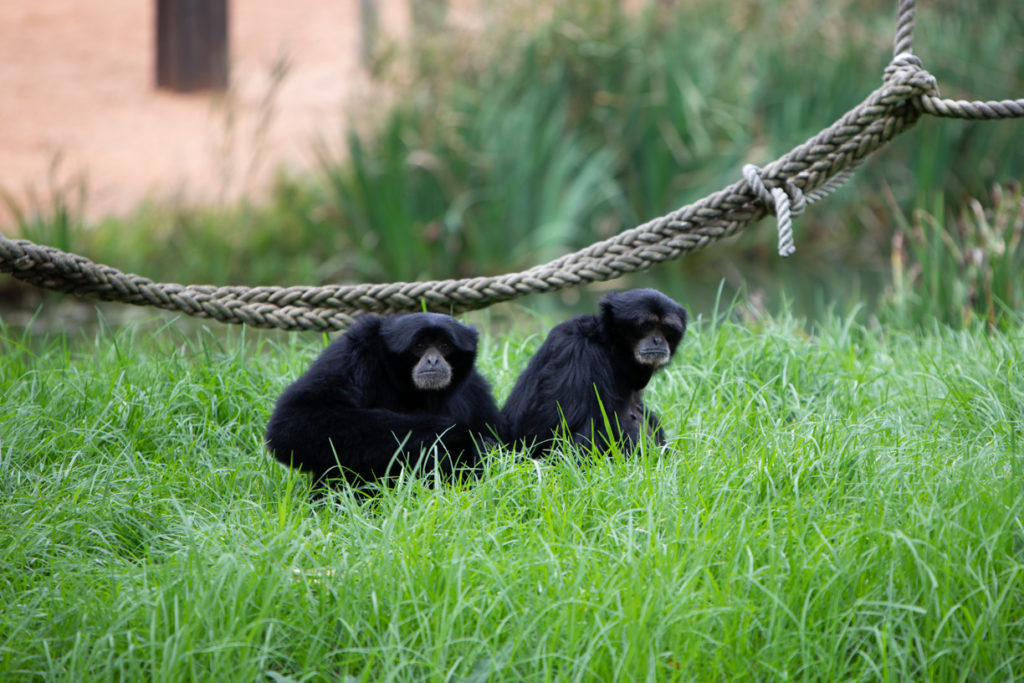
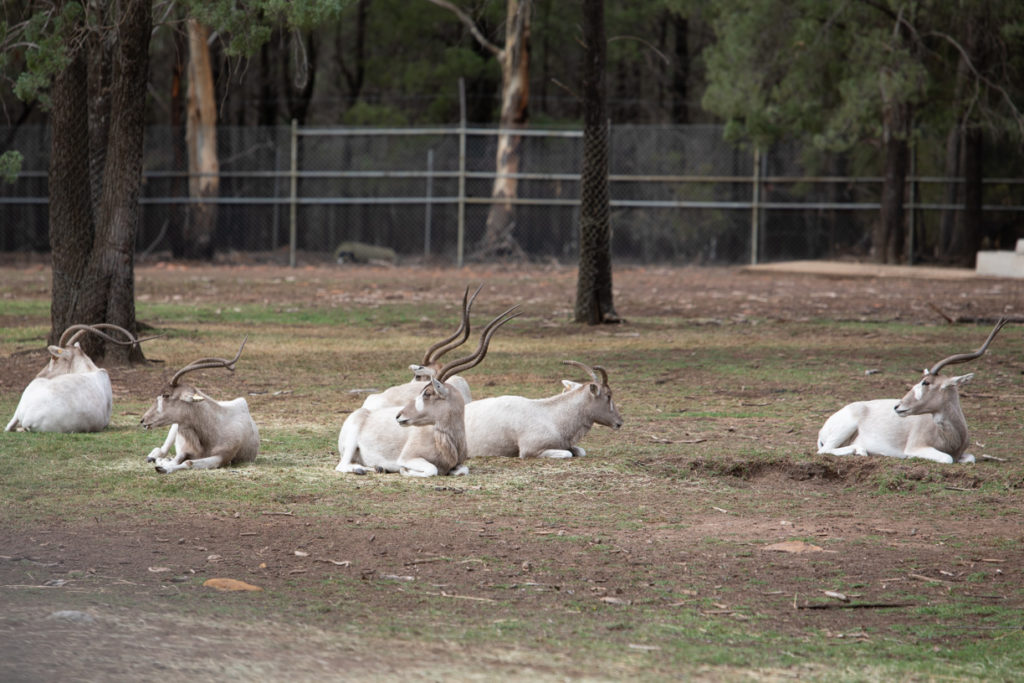
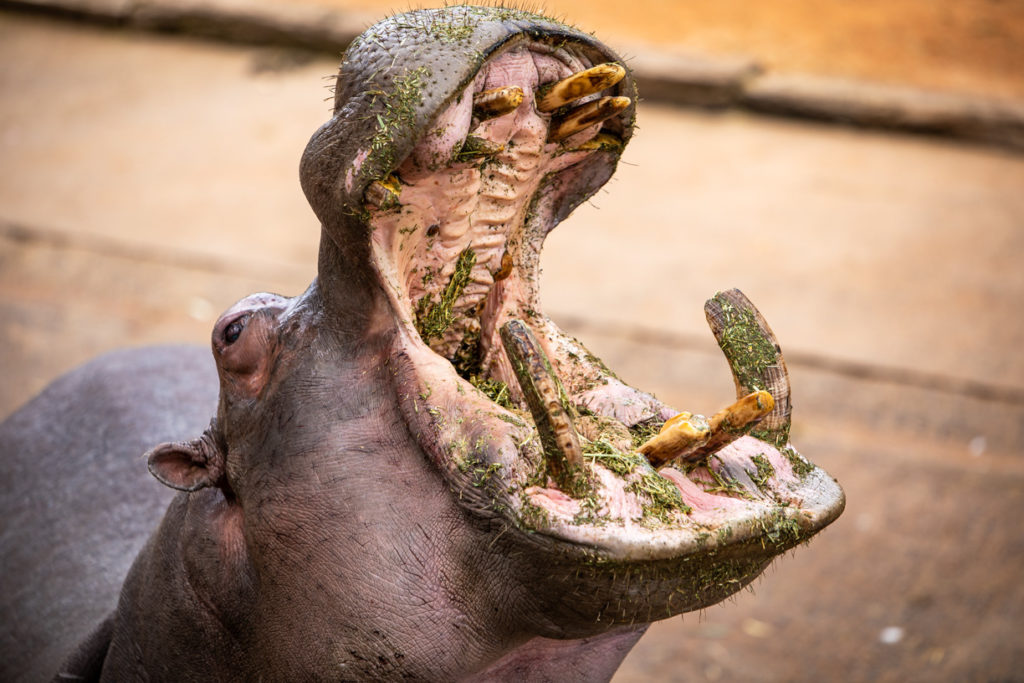
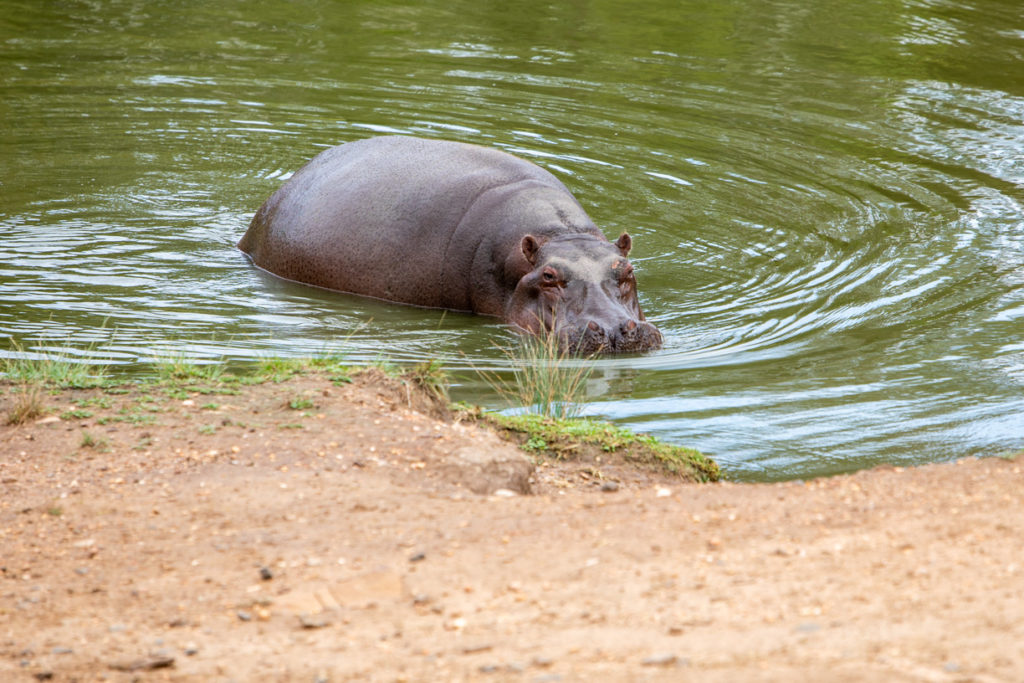
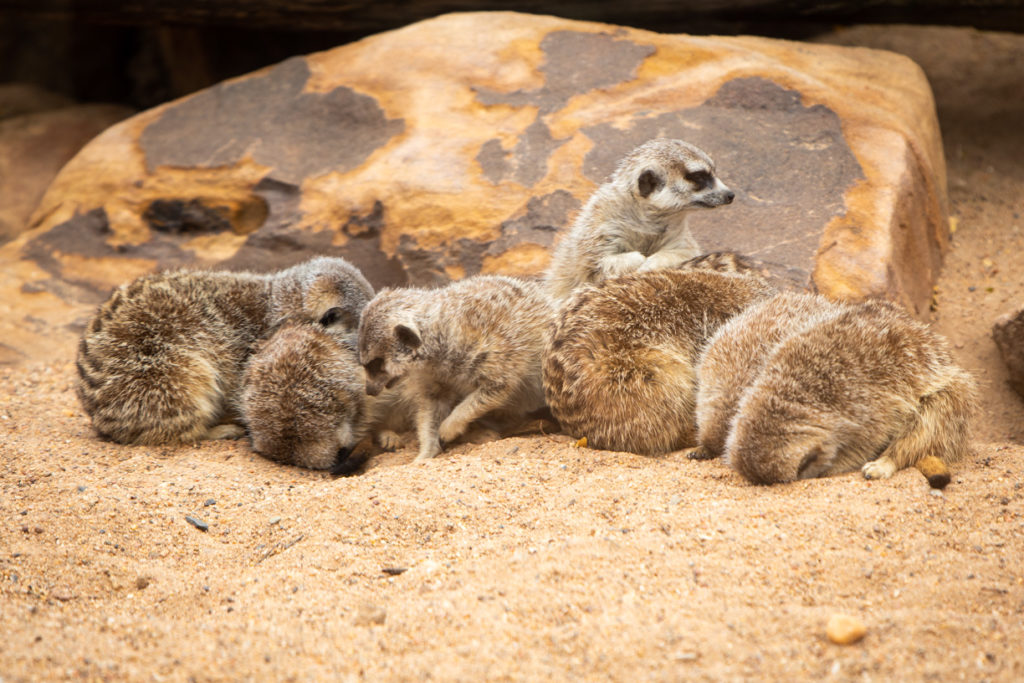
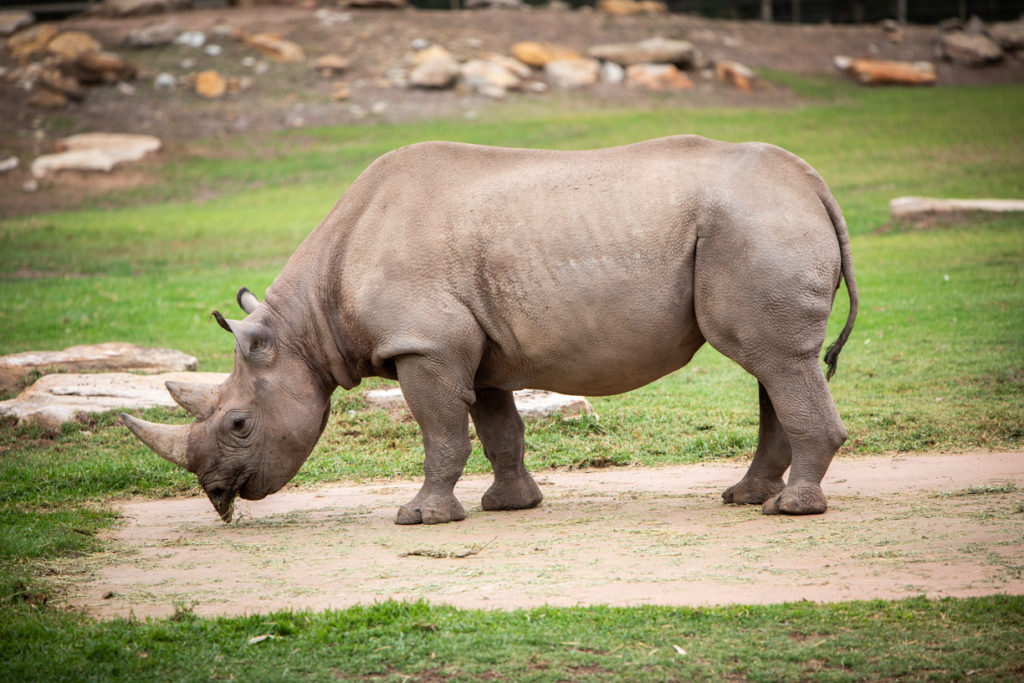
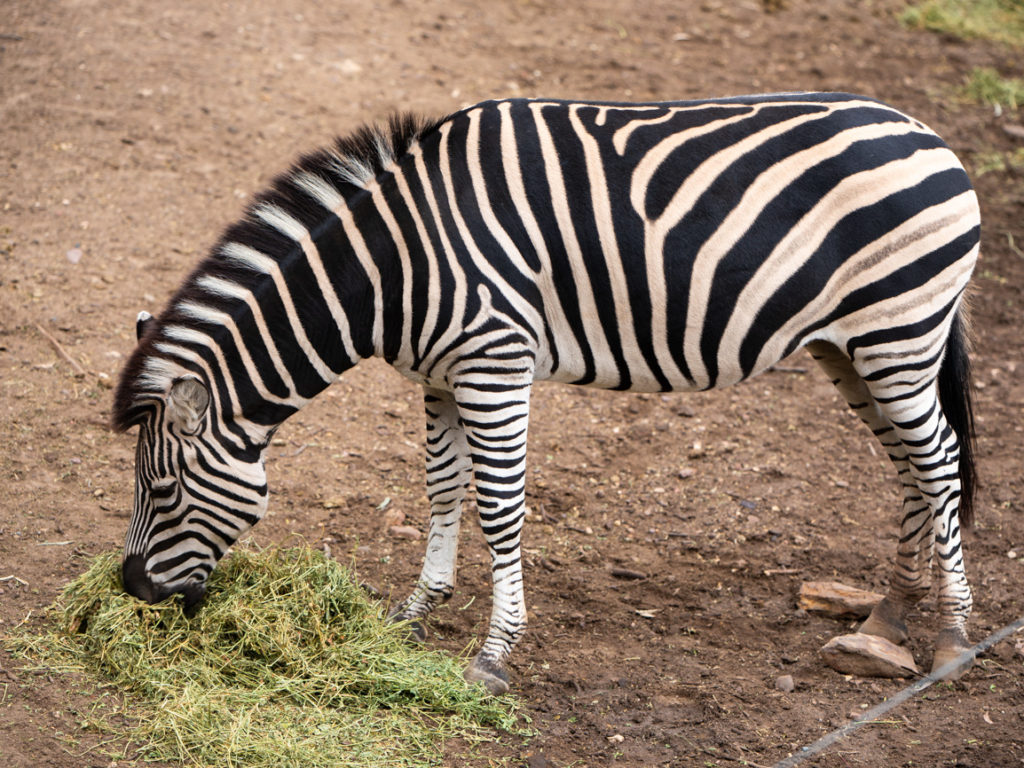
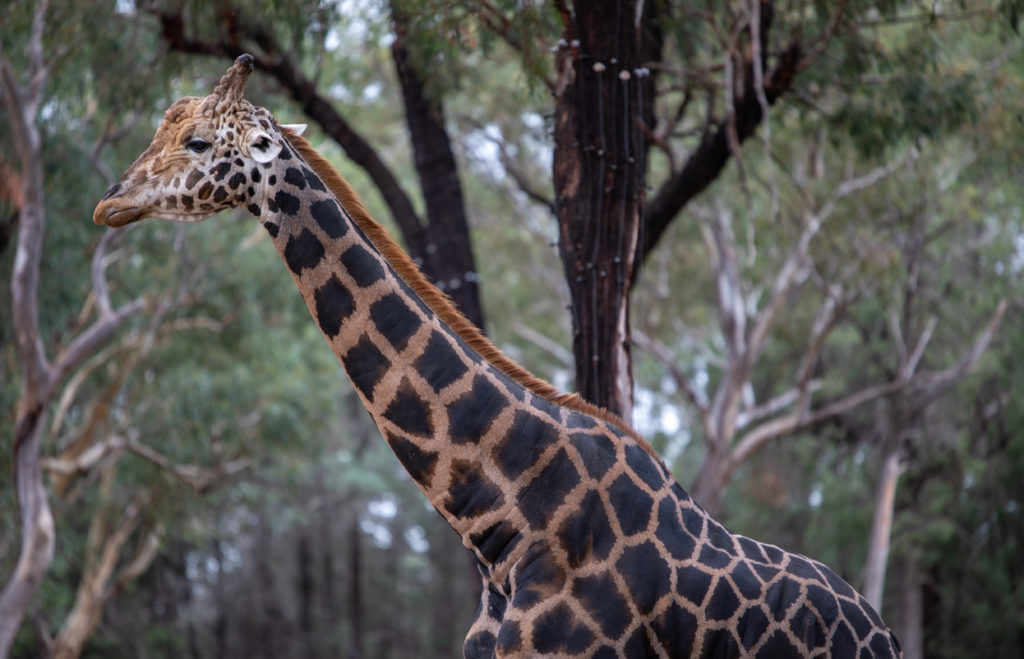
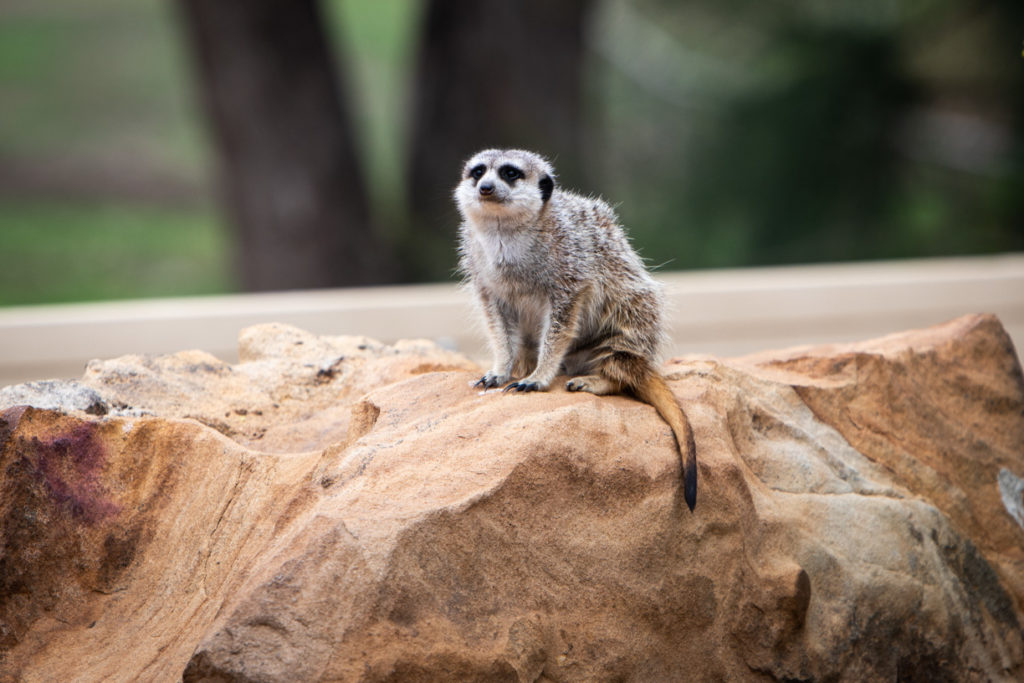
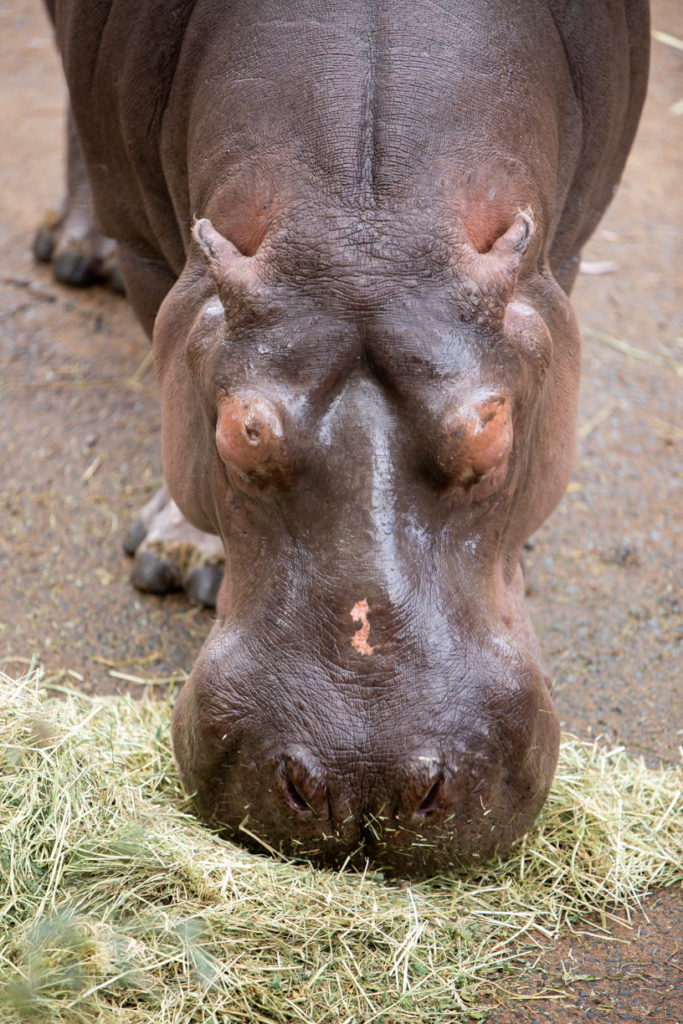
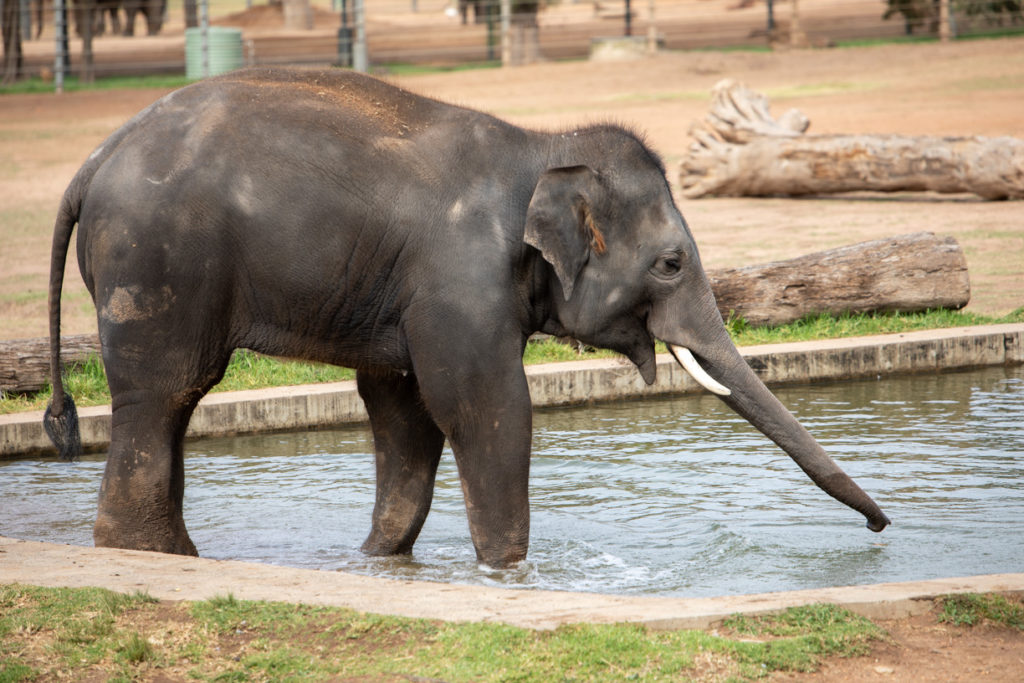
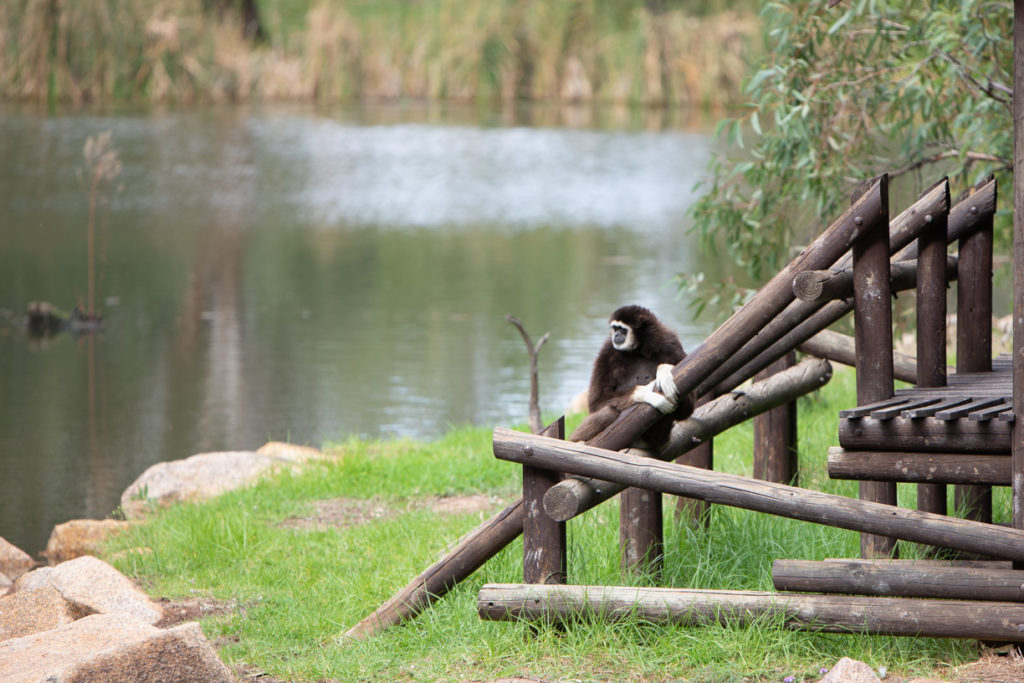
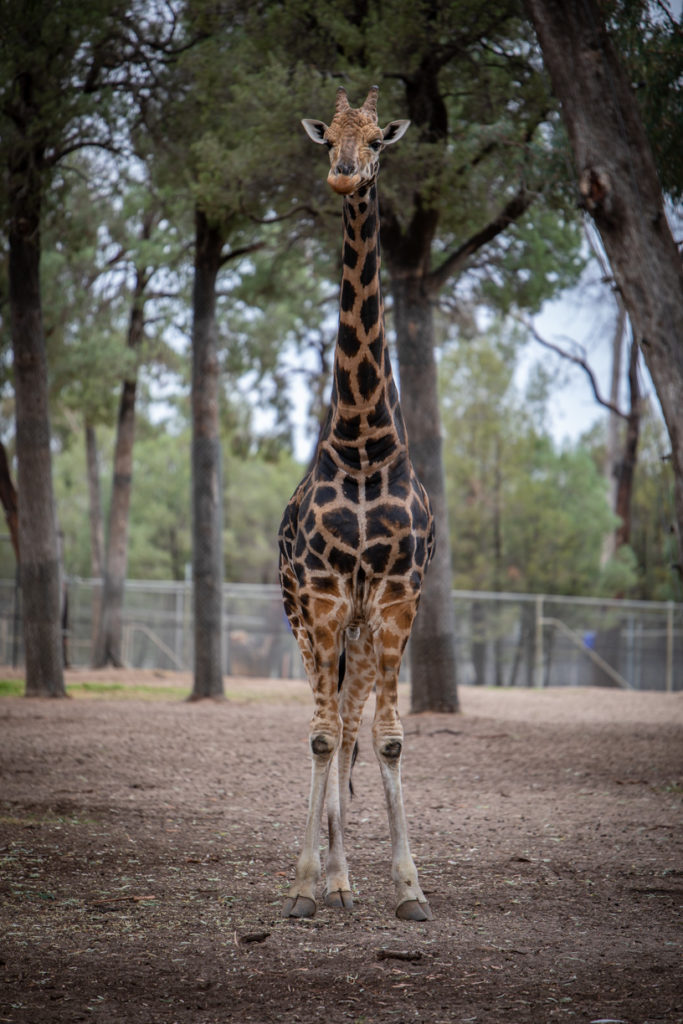
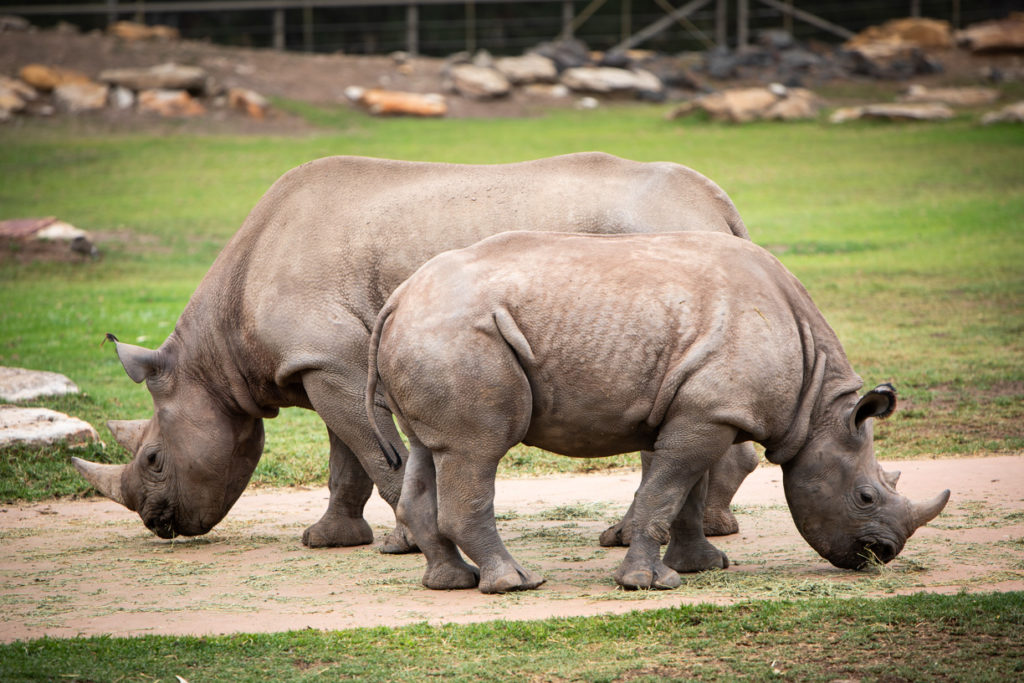
In the late 1960s, plans to develop a large plains zoo to complement Sydney’s Taronga Zoo were established. The new zoo would provide breeding facilities particularly suited to the large plains dwelling animals and to fulfil a need for an open range facility for the display of mainly grazing animals. After considerable planning and preparation, a site on the outskirts of Dubbo in central West New South Wales was chosen. Formerly an army camp during World War Two, the site was transformed into a 300 hectare zoo of woodland and irrigated grasslands. Western Plains Zoo opened to the public on 28 February 1977. When the zoo opened, it contained 35 different animals from six countries. The zoo is an open-range design, with walls and fences replaced by concealed moats which divide the animals from the visitors. This creates the impression of actually being with the animals in the wild. It was also the first zoo to be built in Australia in 60 years




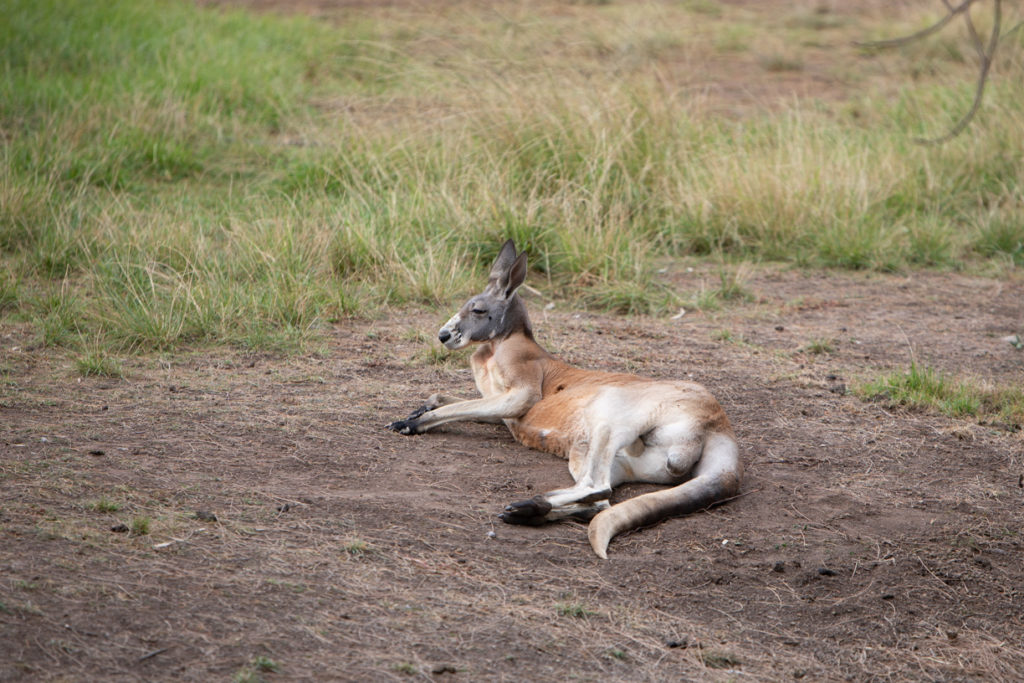
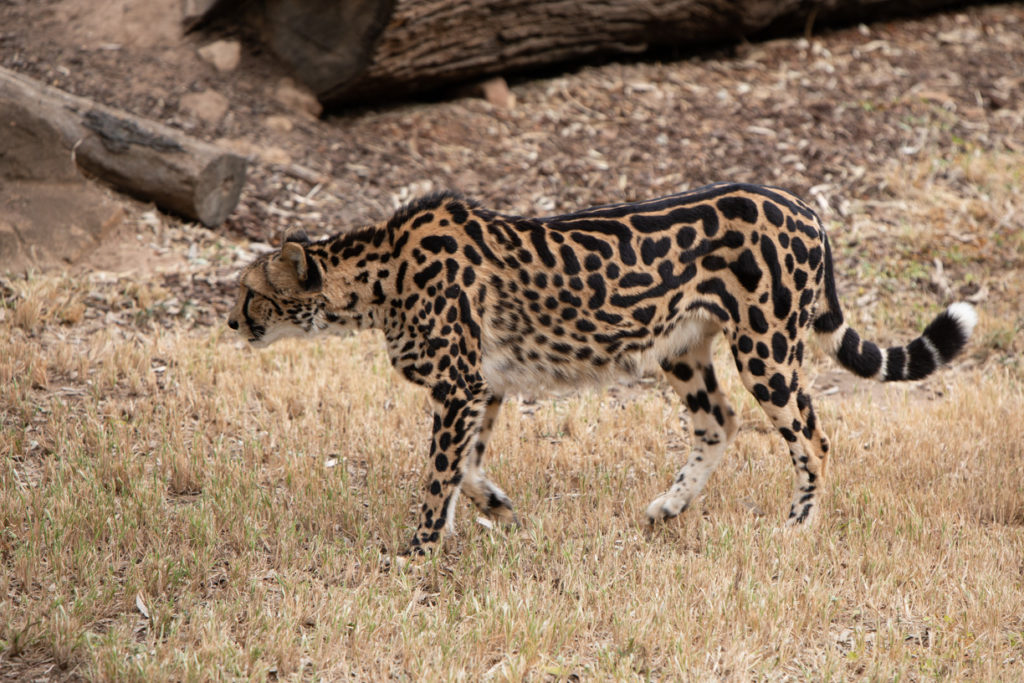
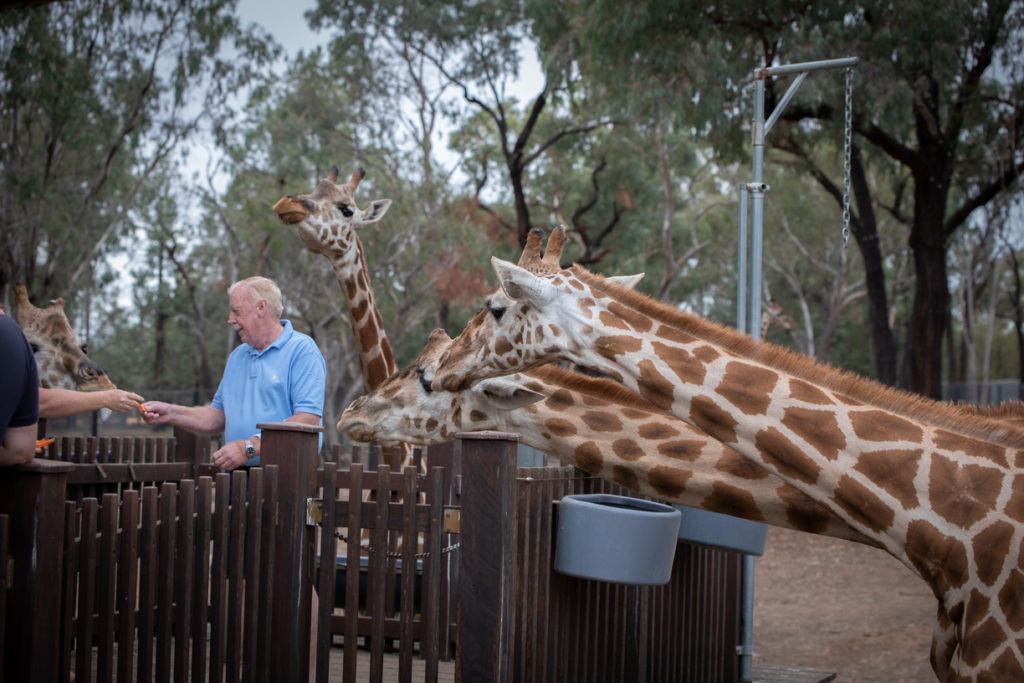
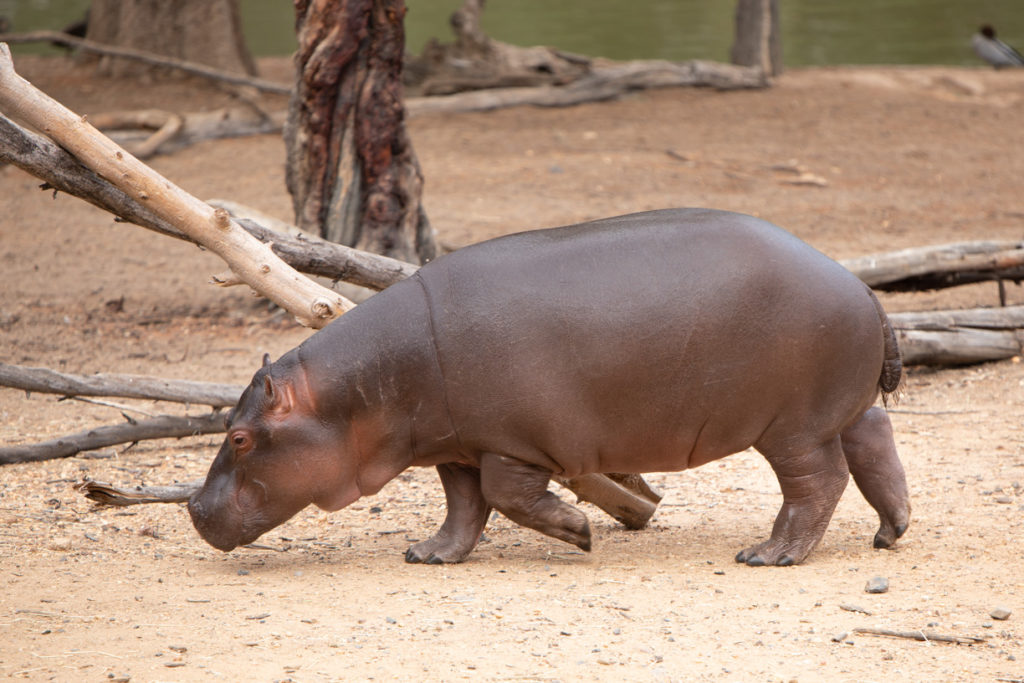

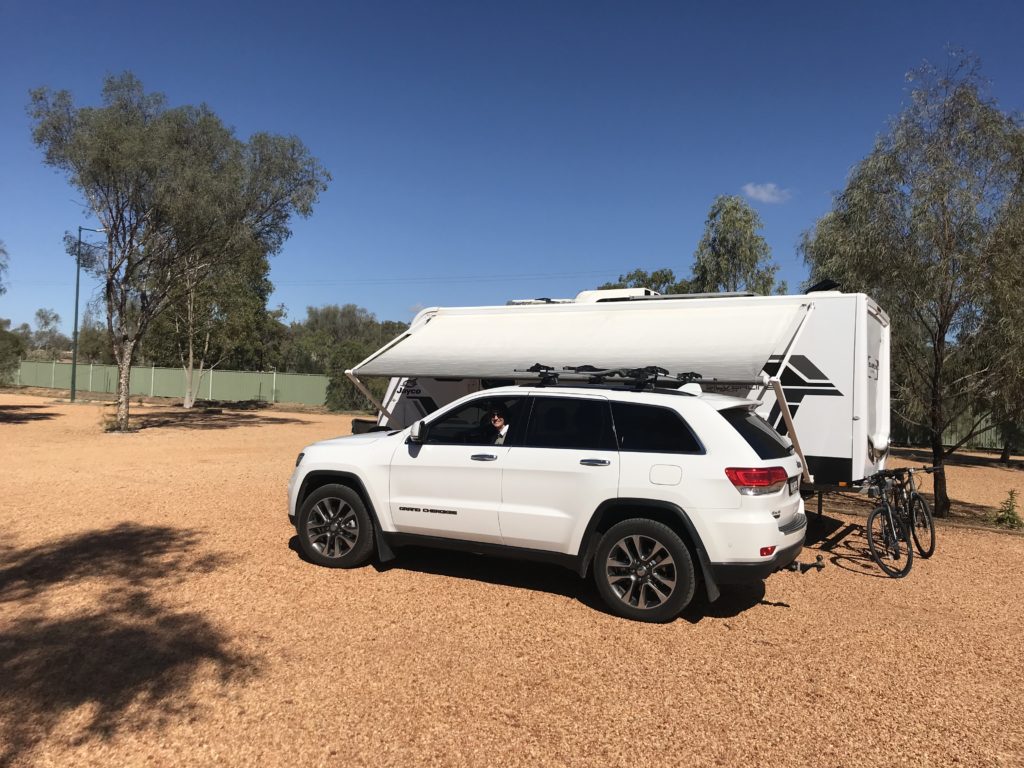
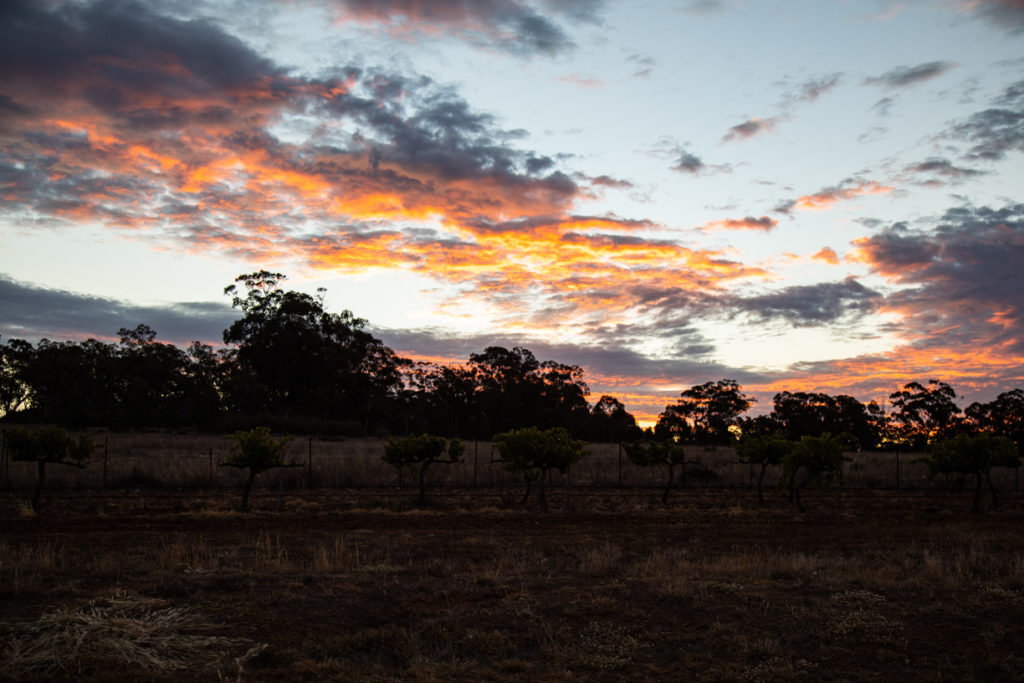
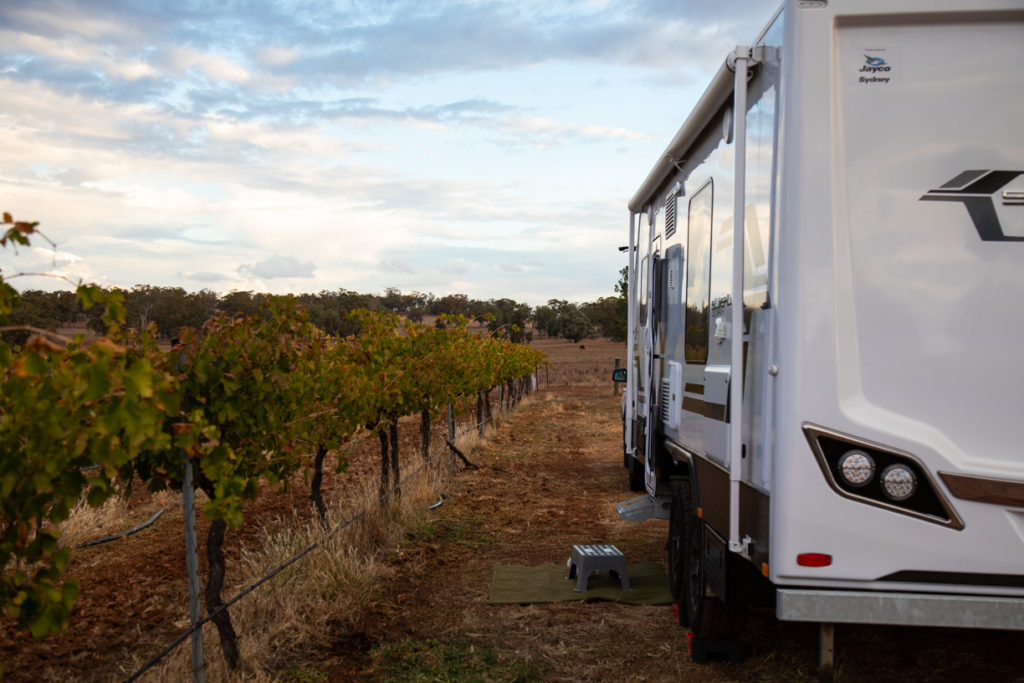
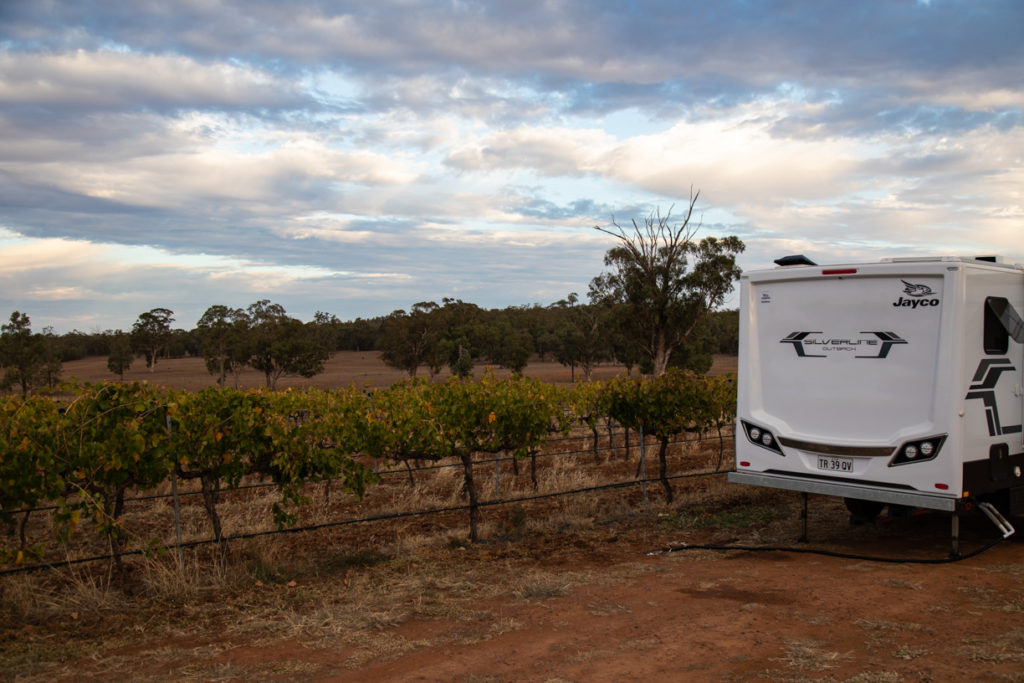
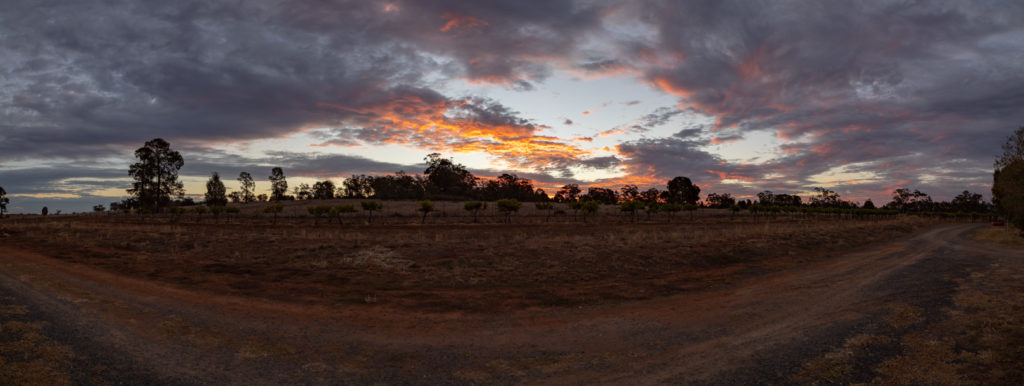
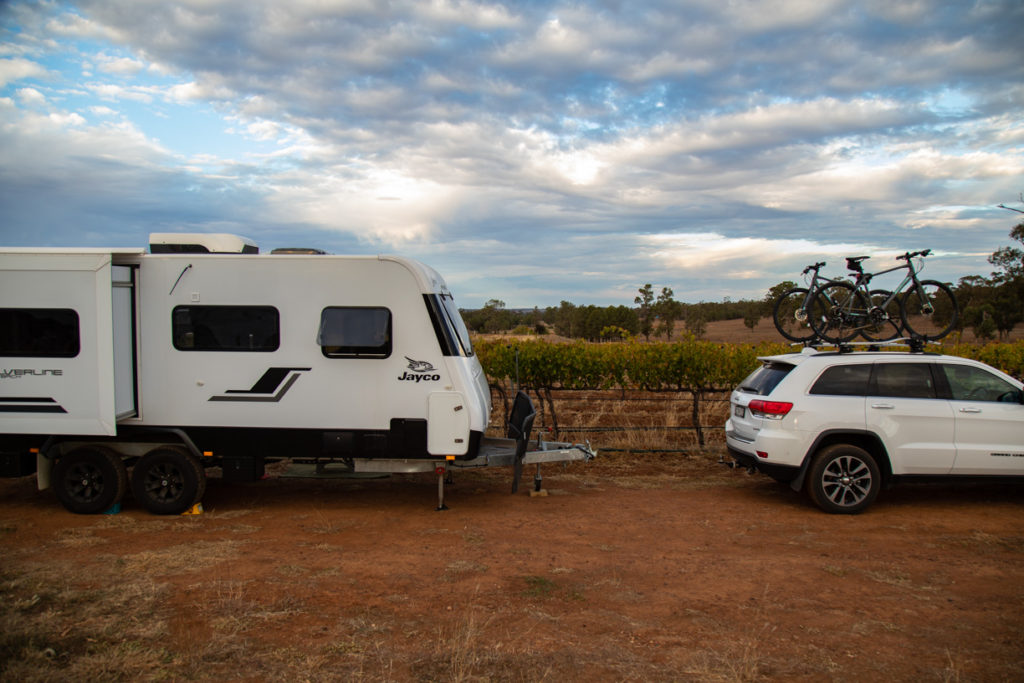
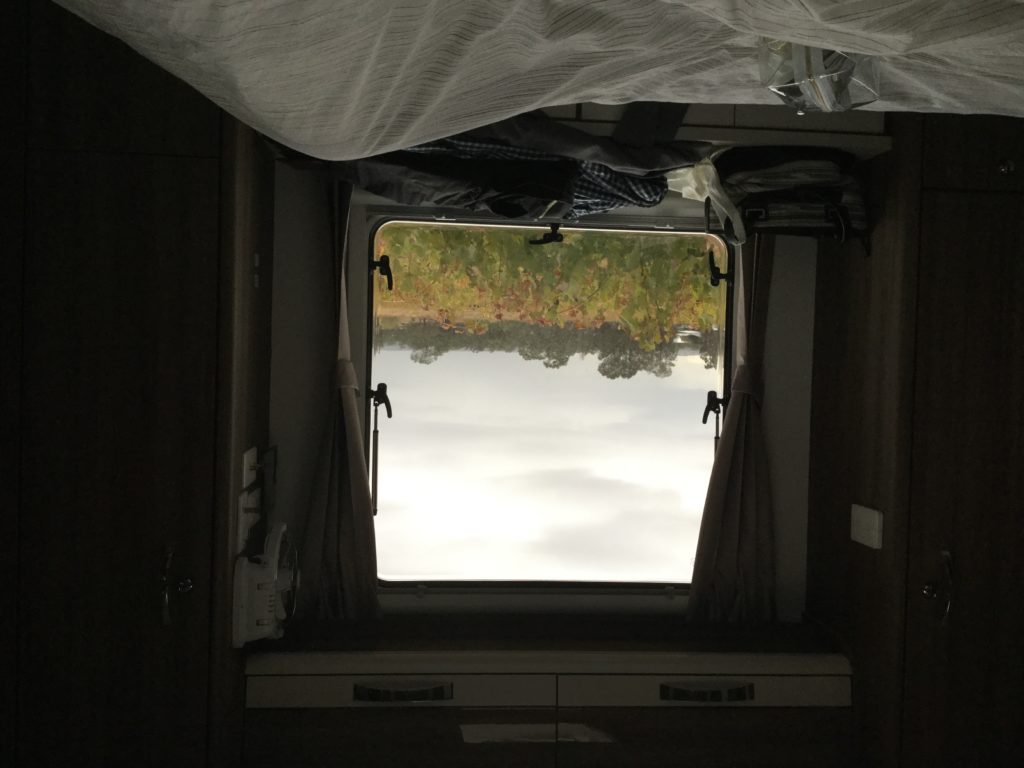
Our caravan site for 3 nights…
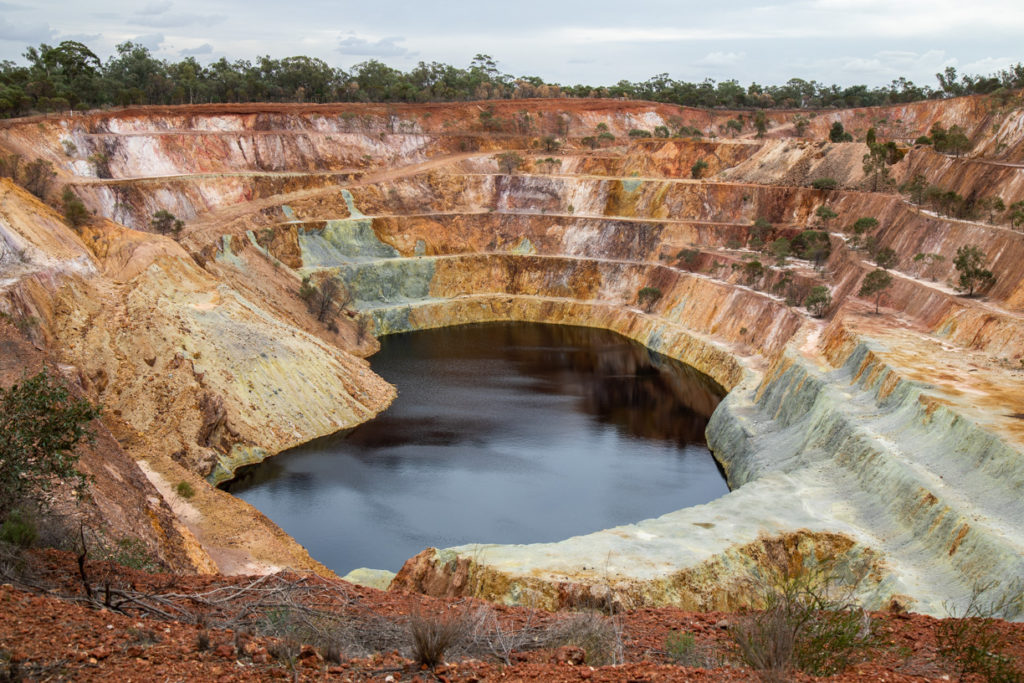
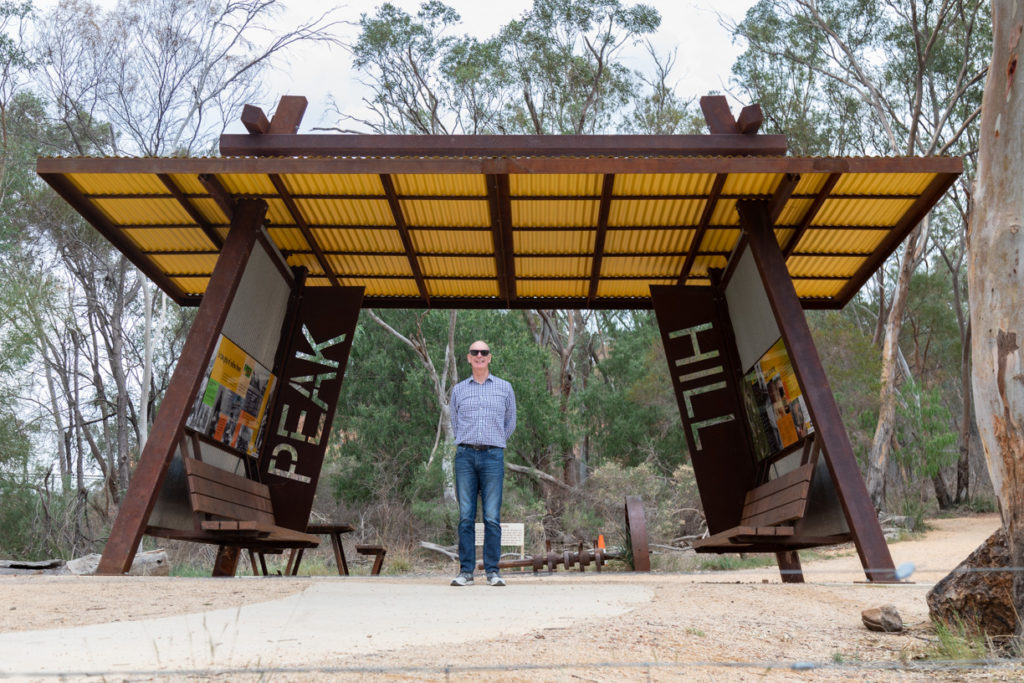
Gold was discovered at Peak Hill in 1889. Peak Hill was described as a high hill of felspathic rock containing large masses of iron, ferruginous quartz and quartzite. The mine ceased production and was closed 2002.
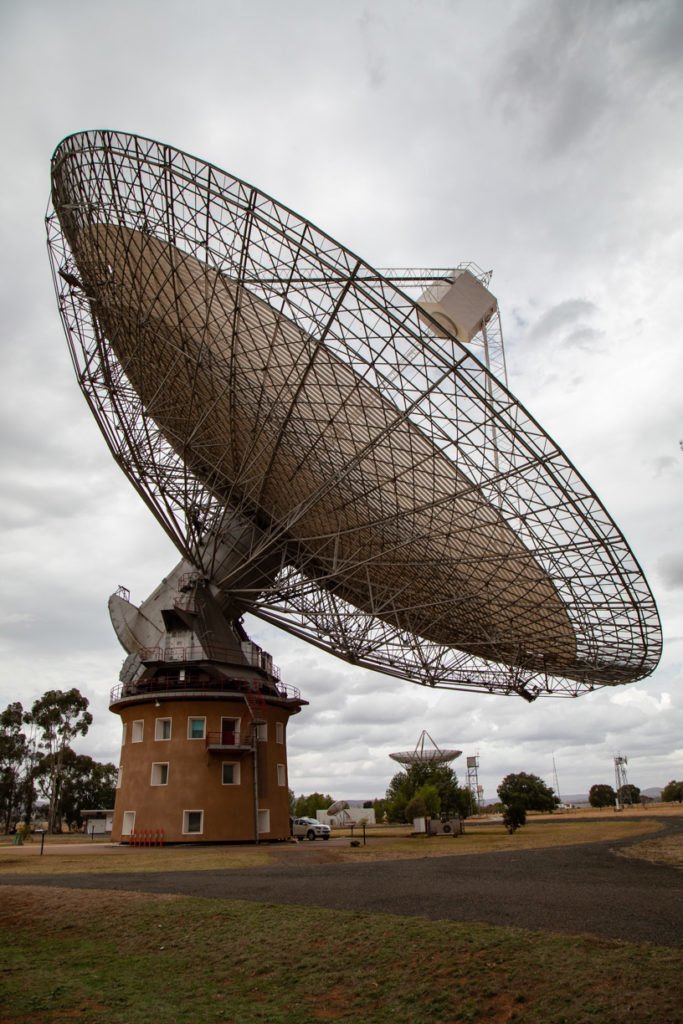
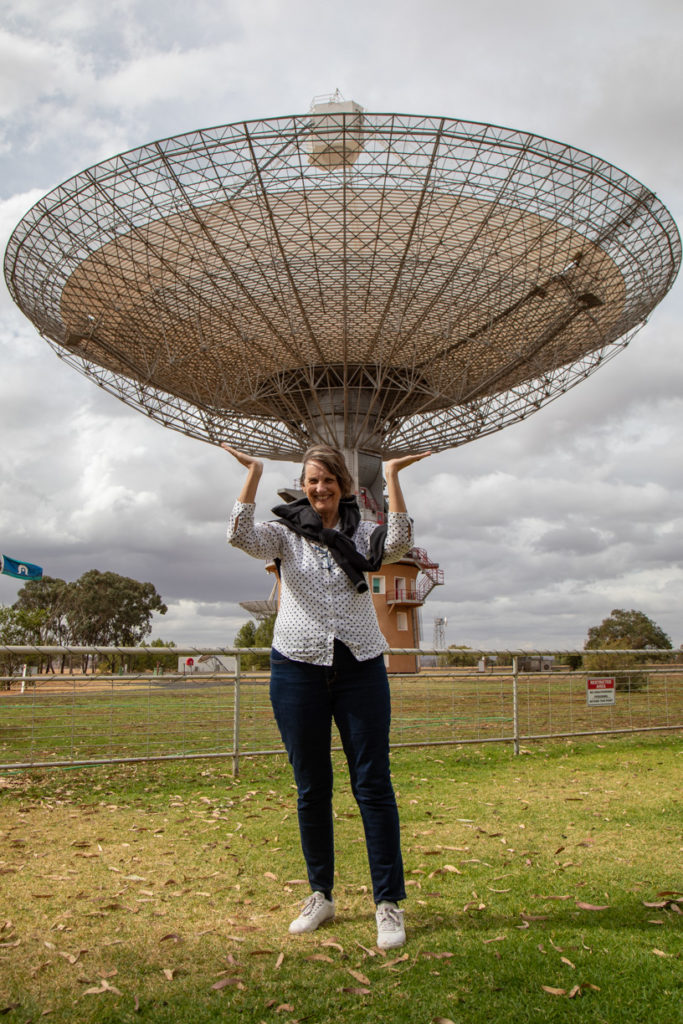
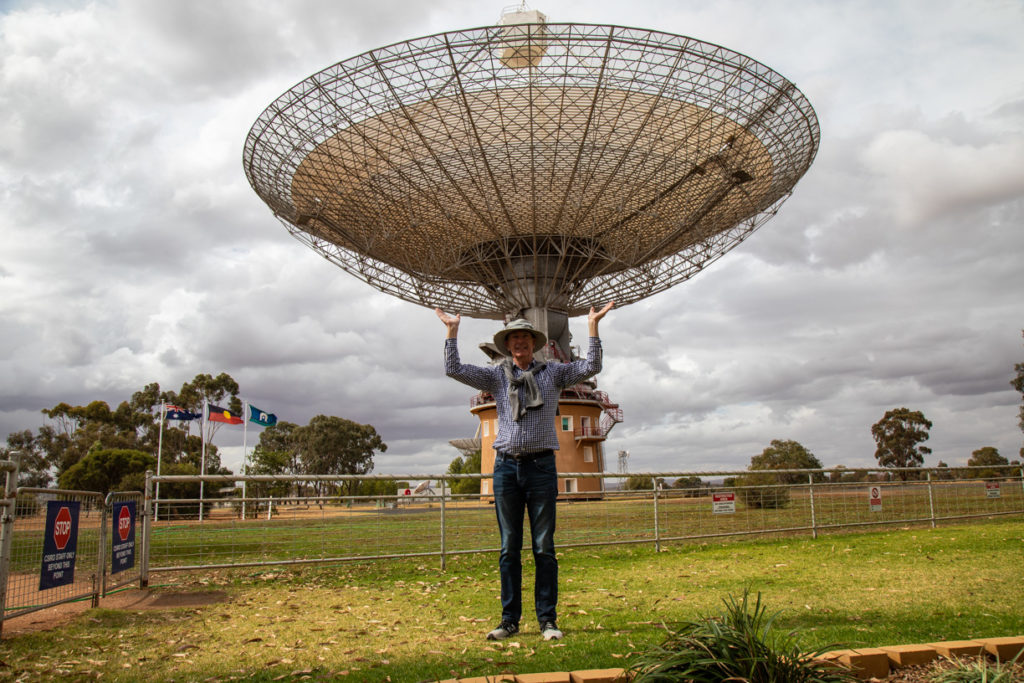
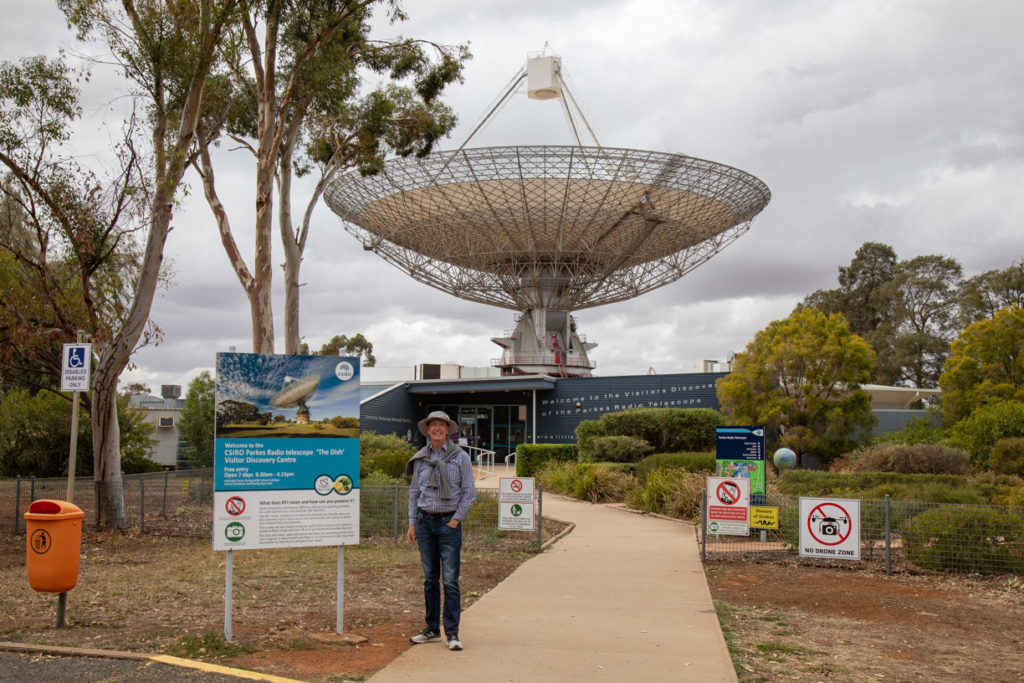
The Parkes Observatory (also known informally as “The Dish”) is a radio telescope observatory, located 20 kilometres north of the town of Parkes, New South Wales, Australia. It was one of several radio antennae used to receive live, televised images of the Apollo 11 moon landing on 20 July 1969. Its scientific contributions over the decades led the ABC to describe it as “the most successful scientific instrument ever built in Australia” after 50 years of operation.
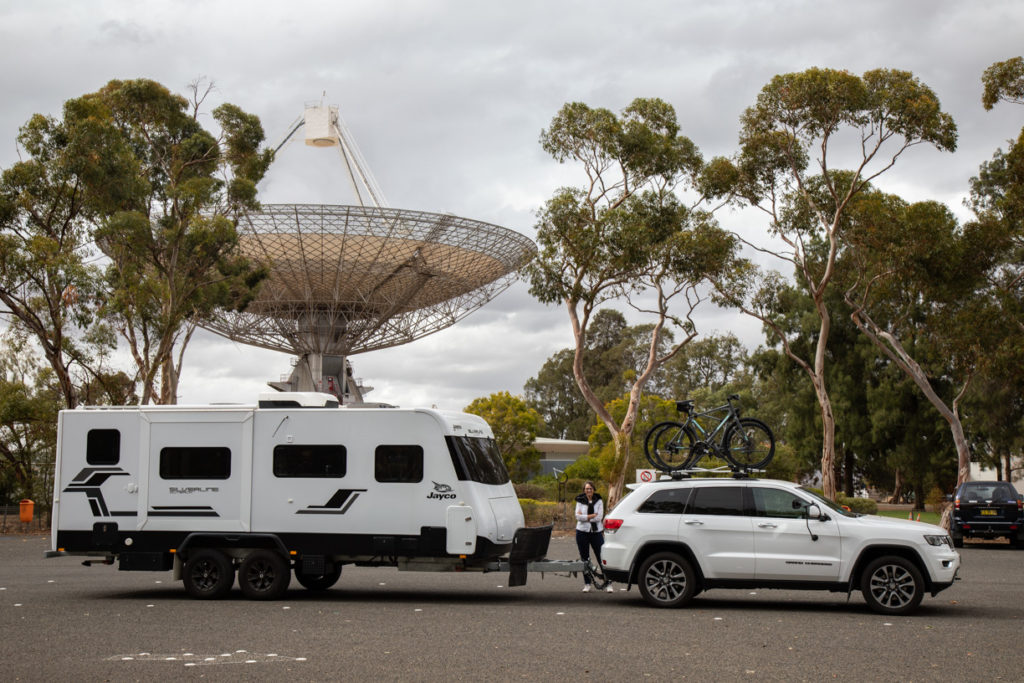
Under 3 hour journey but driving into strong headwinds… fuel consumption of 18.9L/100km was worst experienced in all trips to date 🌬